
China Launches 'Justice Mission 2025' Live-Fire Drills Around Taiwan, Signaling Reunification Resolve
Beijing/Taipei – China initiated large-scale military drills encircling Taiwan on January 8, 2026, including a prominent live-fire exercise dubbed "Justice Mission 2025." The maneuvers, described by Beijing as a demonstration of its unwavering commitment to territorial integrity and reunification goals, come amid heightened cross-strait tensions and follow analyses of potential countermeasures to Taiwan's defensive strategies.
The drills, which began early Thursday in Coordinated Universal Time, involve naval and air forces simulating operations in key areas surrounding the self-ruled island. Chinese state media has framed the exercises as routine assertions of sovereignty, drawing implicit lessons from past military setbacks attributed to internal issues like corruption within the People's Liberation Army (PLA). This latest show of force underscores Beijing's long-standing position that Taiwan is an inseparable part of China, a claim rejected by Taipei and its international allies.
Strategic Context from PLA Analysis
A recent article in the November issue of Naval and Merchant Ships, a mainland Chinese military publication, has spotlighted evolving tactics in any potential conflict scenario. The piece warns of the challenges posed by Taiwan's "porcupine" strategy – an asymmetric warfare doctrine emphasizing mobile, hard-to-target assets like anti-ship missiles, sea mines, and fast-attack craft to deter invasion. This approach was prominently tested during Taiwan's annual Han Kuang exercises in July, where scenarios simulated a PLA blockade and amphibious assault.
To counter this, the magazine proposes a U.S.-inspired "decapitation" strike, targeting Taiwan's command-and-control leadership, political figures, and critical infrastructure in the opening phase of operations. Such a rapid, precision assault aims to paralyze decision-making before Taiwan's defenses can fully mobilize. "The porcupine strategy could pose a significant threat to a PLA campaign," the article states, analyzing Han Kuang's outcomes to advocate for overwhelming initial strikes using missiles, special forces, and cyber operations.
The timing of the Naval and Merchant Ships publication, just one day after the drills commenced on January 9, 2026, suggests it may inform or reflect ongoing military planning. While not officially linked by Beijing, the analysis aligns with the drills' emphasis on live-fire components, which simulate high-intensity combat and test integration of joint forces.
Broader Geopolitical Tensions
China's military activities around Taiwan have intensified in recent years, building on patterns established since 2022. Previous large-scale drills, such as those following U.S. House Speaker Nancy Pelosi's visit to Taipei in August 2022 and President Lai Ching-te's inauguration in May 2024, encircled the island with warplanes and warships, normalizing a strategy of "gray zone" pressure short of full conflict.
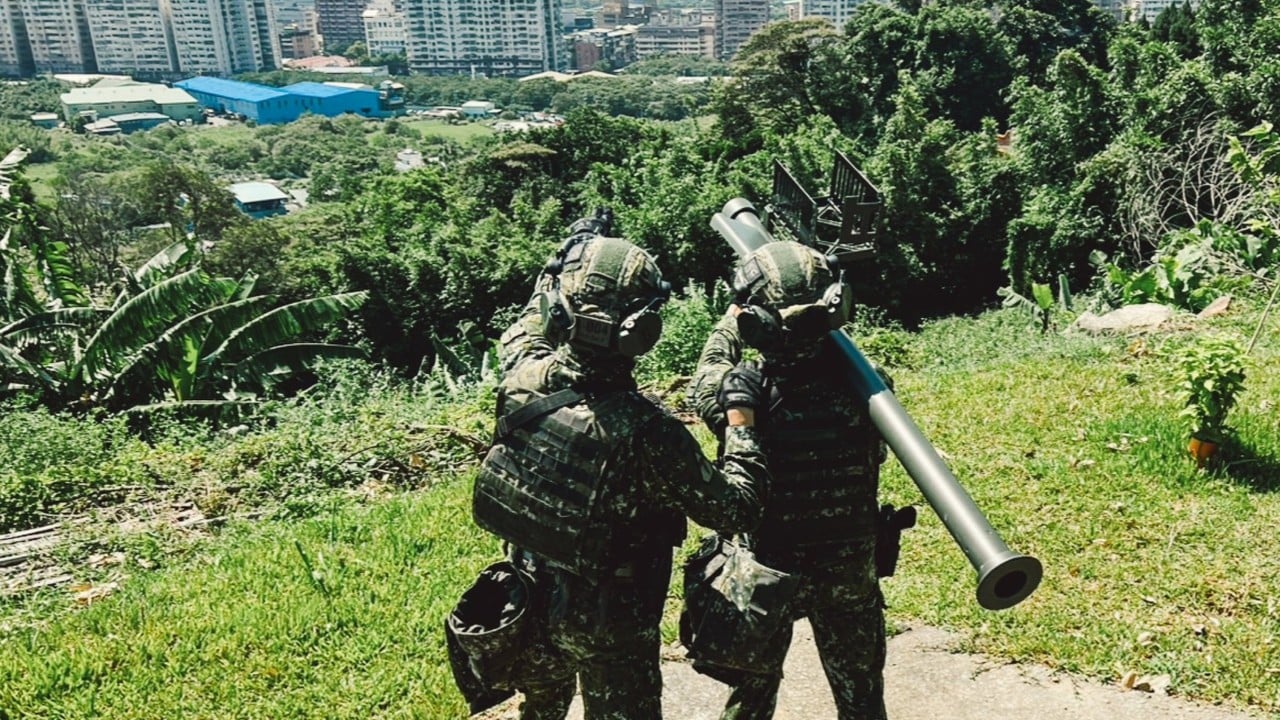
Taiwan has responded by bolstering its defenses, investing in U.S.-supplied systems like Harpoon missiles and HIMARS rocket launchers, which form the backbone of its porcupine posture. The island's military conducts regular exercises like Han Kuang to rehearse repelling invasions, focusing on delaying tactics to allow U.S. intervention under the Taiwan Relations Act.
Internationally, the drills have drawn condemnation from Washington and Tokyo. The U.S. Indo-Pacific Command monitors the situation closely, with recent statements reaffirming commitments to Taiwan's security without specifying responses. Japan, citing proximity to Taiwan, has expanded its own military capabilities, including missile deployments on outlying islands.
Beijing's rhetoric ties the exercises to countering "separatist forces" in Taiwan, particularly under President Lai's Democratic Progressive Party, which favors maintaining the status quo. Corruption purges within the PLA, including high-profile convictions in 2024-2025, have been cited domestically as reforms strengthening operational readiness, potentially influencing the drills' execution.
Historical Background and Implications
Cross-strait dynamics trace back to the Chinese Civil War, when Nationalist forces retreated to Taiwan in 1949, establishing the Republic of China government. Beijing views reunification as a core interest, with President Xi Jinping repeatedly stating it will occur, peacefully if possible, by force if necessary.
The porcupine strategy evolved as Taiwan recognized its conventional inferiority to the PLA, which boasts the world's largest navy and air force. U.S. military assessments, including the 2024 China Military Power Report, highlight the PLA's modernization, including hypersonic weapons and carrier groups, but note vulnerabilities in amphibious operations.
"Justice Mission 2025" marks a medium-severity escalation, with live-fire elements raising risks of miscalculation. Analysts note it tests PLA lessons from exercises like those around the 2024 elections, emphasizing rapid dominance.
Outlook
As the drills continue, global markets watch for disruptions to Taiwan's vital semiconductor industry, which produces over 60% of the world's chips. Diplomatic channels remain open, with U.S.-China military hotlines active to prevent accidents.
Beijing maintains the exercises are defensive, while Taiwan urges restraint. The maneuvers reinforce a delicate balance: China's growing capabilities versus Taiwan's resilient defenses and alliances. No immediate end date has been announced, leaving regional stability in flux.
(Word count: 712)