
China Imposes Ban on Dual-Use Goods Exports to Japan Amid Escalating Regional Tensions
Beijing, January 9, 2026 – China has enacted a ban on exports of dual-use goods to Japan, a move announced on Wednesday that signals deepening frictions with the key U.S. ally. The restriction targets items with both civilian and military applications, coming amid heightened disputes over Taiwan and broader regional security concerns.
The ban took effect on January 7 at 15:24 UTC, according to official notifications from Chinese authorities. Dual-use goods, which include advanced electronics, chemicals, and precision machinery that could support military capabilities, are now prohibited from shipment to Japanese entities. This action escalates longstanding economic and strategic rivalries in East Asia, where Japan has bolstered its defense posture in response to China's growing military presence near Taiwan and in the East China Sea.
Analysts view the export restrictions as a calibrated response to Japan's increasing military cooperation with Taiwan and the United States. Japan, constitutionally limited in offensive capabilities until recent reforms, has ramped up arms procurement and joint exercises with U.S. forces, particularly following China's large-scale military drills around Taiwan in late 2025. The ban heightens pressure on Tokyo's defense industry, which relies on certain Chinese components for manufacturing semiconductors and aerospace parts.
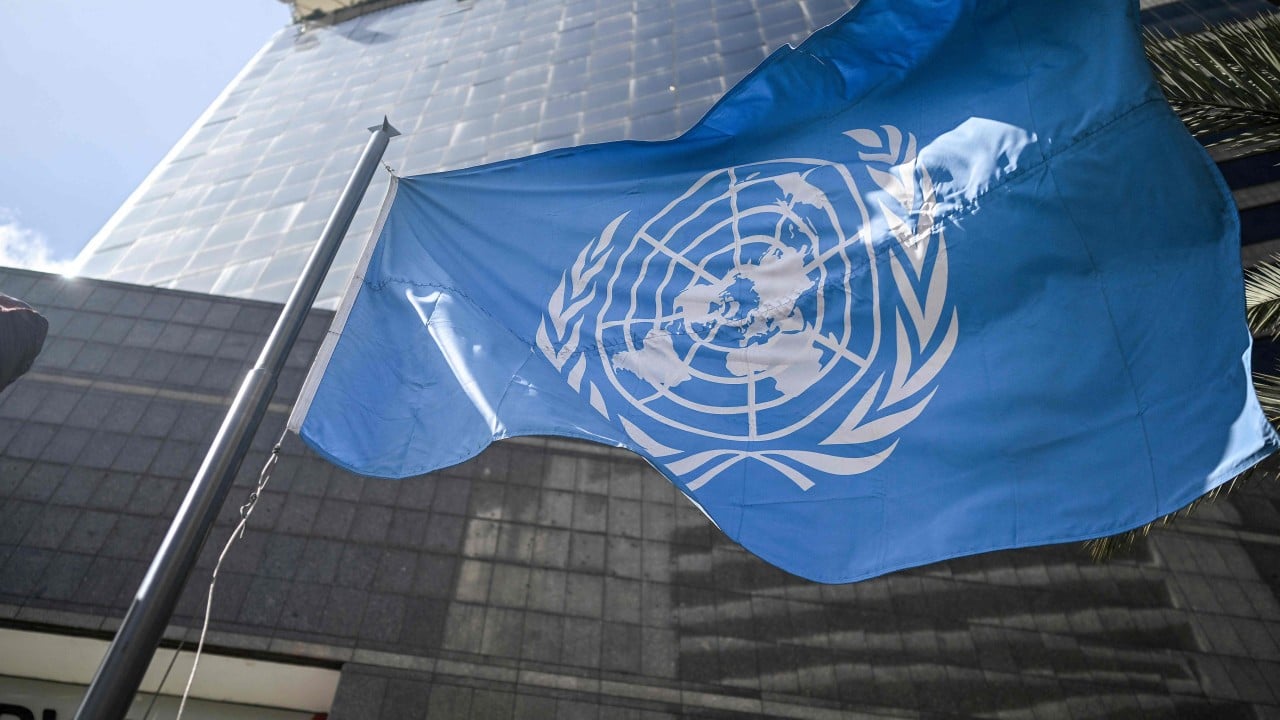
This development unfolds against a backdrop of deteriorating U.S.-China relations under returning U.S. President Donald Trump. On Thursday, Chinese officials warned of a "law of the jungle" in global affairs following Washington's withdrawal from 66 international organizations. According to the South China Morning Post, Beijing described the U.S. retreat from multilateral institutions as a "heavy blow" to global governance, creating power vacuums in areas like climate policy and security. Analysts cited in the report noted that this shift presents "both opportunities and challenges" for China, potentially allowing Beijing to fill leadership gaps while exposing it to heightened unilateral pressures from the U.S. and its allies.
Chinese Foreign Ministry statements, as referenced in recent coverage, underscored the fragility of the international order. Observers highlighted lasting consequences for U.S. leadership, accentuating divides in critical domains. While not directly linking the Japan ban to U.S. withdrawals, the timing aligns with China's broader narrative of countering perceived encirclement by Washington-led coalitions.
Background on China-Japan Tensions
Sino-Japanese relations have long been strained by territorial disputes, historical grievances, and competing visions for regional dominance. The Senkaku/Diaoyu Islands in the East China Sea remain a flashpoint, with both nations asserting sovereignty and conducting regular patrols. Japan's 2022 National Security Strategy designated China as an "unprecedented strategic challenge," prompting record defense spending increases to 2% of GDP by 2027.
Taiwan adds another layer of complexity. Beijing views the self-ruled island as inseparable from the mainland, while Japan has voiced support for Taiwan's defense, including contingency planning for potential conflict. In 2025, Japan hosted Taiwanese officials for security talks and expanded U.S.-Japan-Taiwan trilateral frameworks, moves that irked Beijing. China's export controls echo previous uses of economic coercion, such as the 2010 rare earth embargo during Senkaku disputes and restrictions on Australian goods amid AUKUS tensions.
The dual-use ban fits into China's legal framework under the Export Control Law of 2020, which empowers restrictions on sensitive technologies for national security. Japanese officials have yet to issue a formal response, but industry groups expressed concerns over supply chain disruptions. Tokyo's Ministry of Economy, Trade and Industry monitors the situation closely, with potential retaliatory measures under consideration.
Broader Geopolitical Implications
The export ban underscores shifting dynamics in global supply chains, where China dominates critical materials and components. Japan, a leader in semiconductors via firms like Tokyo Electron and Nikon, may accelerate diversification efforts under the U.S.-led "Chip 4" alliance with South Korea, Taiwan, and the U.S.
In parallel, China's critique of U.S. multilateral disengagement reflects Beijing's push for alternatives like the Belt and Road Initiative and BRICS expansion. With the U.S. exit from bodies including aspects of the UN Framework Convention on Climate Change and various arms control forums, analysts anticipate China positioning itself as a stabilizer, though skeptics question its motives amid South China Sea militarization.
As of Friday, no immediate military escalation has been reported, but the medium-severity measure could strain diplomatic channels. Upcoming ASEAN summits and G7 meetings may address the fallout, with calls for de-escalation from European partners.
This episode highlights the intricate web of economic interdependence and strategic rivalry defining Asia-Pacific geopolitics, where trade levers increasingly serve as proxies for power projection.
(Word count: 612)






