
China Heightens Regional Tensions with Export Ban on Japan and Military Drills Near Taiwan
Beijing has intensified geopolitical frictions in East Asia this week, imposing a ban on exports of dual-use goods to Japan on January 7 and conducting military drills around Taiwan starting January 8, amid longstanding disputes over regional security and Taiwan's status. These moves coincide with China's public appeals to the United States to counter perceived Japanese militarism and Taiwan's announcements of bolstered defenses against People's Liberation Army (PLA) pressure.
The export ban targets dual-use goods—items with both civilian and military applications—marking a significant escalation in China's economic measures against Tokyo, a key U.S. ally. The restriction heightens strains already fueled by territorial disputes in the East China Sea, including the Senkaku/Diaoyu Islands, and broader concerns over Japan's defense buildup. This action follows a pattern of Beijing's use of trade restrictions as leverage in foreign policy, similar to previous curbs on Australian exports amid diplomatic rows.
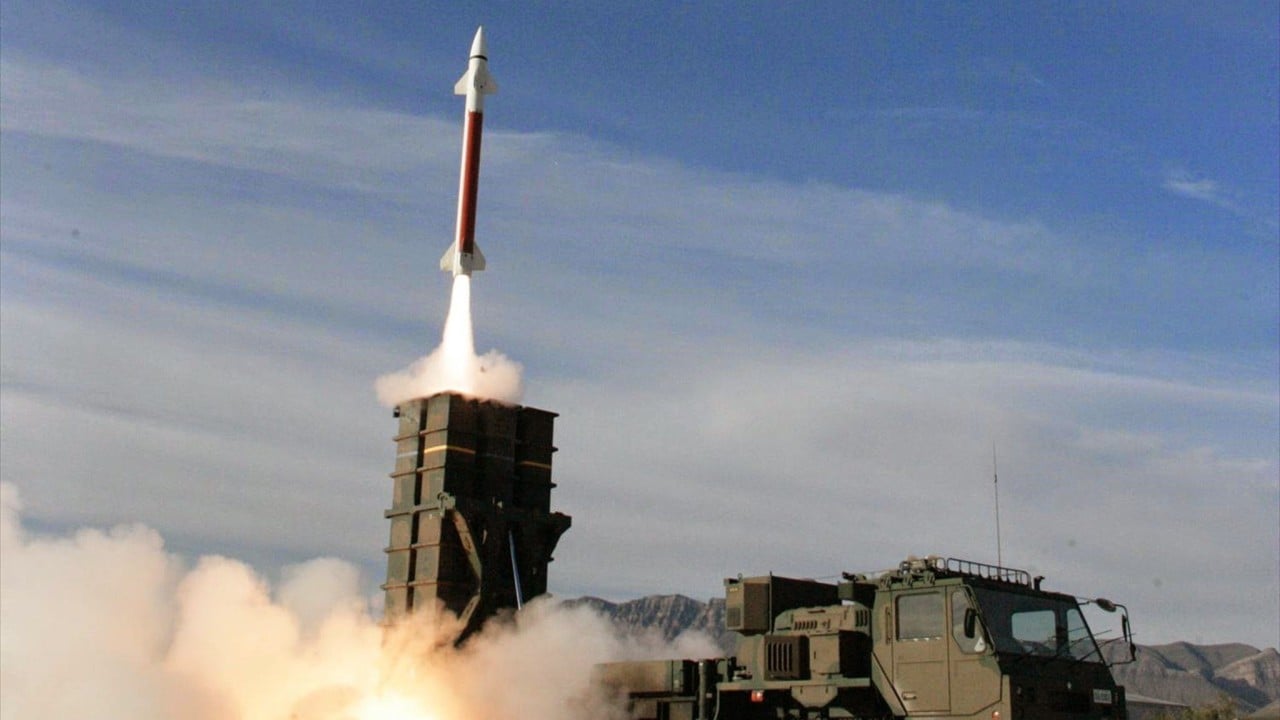
In parallel, China's military exercises around Taiwan, including the live-fire drill dubbed "Justice Mission 2025," underscore Beijing's resolve to advance its reunification agenda. Launched on January 8, the drills draw historical lessons from past PLA setbacks attributed to internal corruption, signaling a more assertive posture. Taiwan, which Beijing claims as its territory, has faced repeated incursions and encirclement maneuvers by the PLA, with these latest activities amplifying fears of coercion or conflict in the Taiwan Strait—a critical global trade chokepoint.
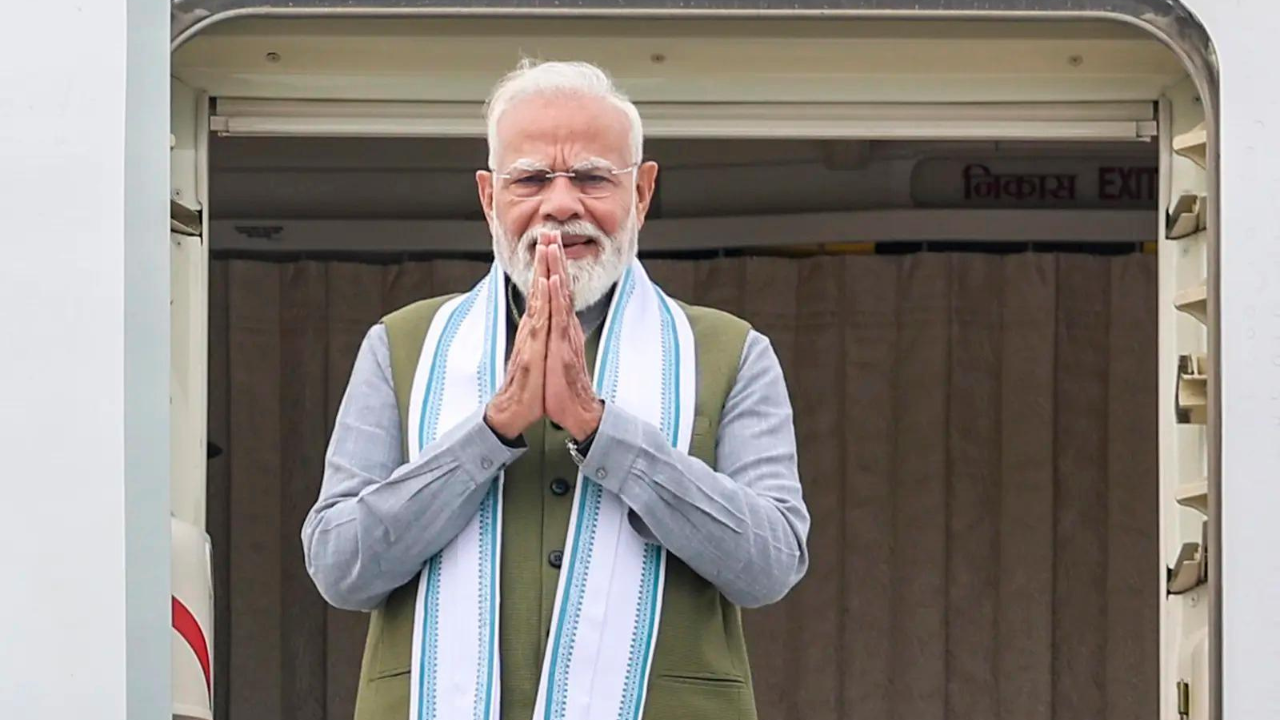
China's diplomatic outreach adds another layer to the tensions. Liu Pengyu, spokesman for the Chinese embassy in Washington, urged the U.S. to join a "united front" against Japanese militarism in an article published in the U.S.-based Executive Intelligence Review. "Preventing militarism from harming the world again is in the common interest of both our countries [China and the United States]," Liu stated, explicitly referencing historical grievances from Japan's World War II aggression. He hinted at "more sanctions could be in the pipeline for Tokyo’s defence industry," framing the export ban as part of a broader strategy to curb Japan's military expansion under its U.S.-backed security alliance.
Taiwan's response has been swift and pragmatic. Vice-Premier Cheng Li-chiun announced on January 9 that the island would reinforce critical infrastructure, enhance drone defenses, and ramp up ammunition production to counter mainland pressures. "Taiwan must be more fully prepared, especially in the face of the possibility of various new forms of..." threats, Cheng emphasized, highlighting preparations for asymmetric warfare including unmanned aerial vehicles. These measures build on Taiwan's "porcupine strategy," aimed at deterring invasion through fortified defenses and rapid production capabilities, supported by U.S. arms sales totaling billions in recent years.
Background on Escalating Flashpoints
Sino-Japanese relations have deteriorated steadily since the 2010s, exacerbated by Japan's nationalization of the disputed Senkaku Islands in 2012 and its subsequent military reforms. Under Prime Minister Fumio Kishida and successors, Japan has increased defense spending to 2% of GDP by 2027, acquiring long-range missiles and joining U.S.-led initiatives like the Quad to counter China. Beijing views these as provocative encroachments on its core interests, invoking memories of Imperial Japan's invasions that killed millions of Chinese during the 1937-1945 war.
Taiwan remains the paramount flashpoint. Since the Chinese Civil War ended in 1949, the self-ruled island has operated de facto independently, but President Xi Jinping has repeatedly vowed "reunification" by force if necessary. PLA drills surged after U.S. House Speaker Nancy Pelosi's 2022 Taiwan visit, with 2024-2025 seeing normalized large-scale operations simulating blockades. The "Justice Mission 2025" drill reflects internal PLA reforms post-2023 corruption purges, which exposed graft in rocket forces and aimed to restore operational readiness.
The U.S. has reaffirmed its commitments under the 1979 Taiwan Relations Act, conducting freedom-of-navigation operations and supplying advanced weaponry. China's overture to Washington against Japan appears aimed at exploiting historical U.S. sensitivities to Japanese militarism while dividing alliances.
Outlook Amid Heightened Risks
These developments risk further destabilizing the Indo-Pacific, where economic interdependence—China and Japan are each other's top trading partners—clashes with strategic rivalry. Analysts note the export ban could disrupt Japan's semiconductor and aerospace sectors, reliant on Chinese rare earths and components. Taiwan's fortifications signal a protracted standoff, potentially drawing in U.S. forces per mutual defense understandings.
As Beijing signals readiness for additional measures, diplomatic channels like the U.S.-China defense talks remain strained. Regional actors, including ASEAN nations, watch warily, urging de-escalation to safeguard vital sea lanes carrying half the world's shipping. With no immediate resolution in sight, East Asia's geopolitical temperature continues to rise.
(Word count: 712)