
China Enhances Military Presence Near Taiwan Amid Diplomatic Engagement with South Korea
China has recently intensified its military maneuvers near Taiwan while simultaneously fostering diplomatic ties with South Korea. These developments reflect the complex geopolitical landscape in East Asia, characterized by rising military tensions and shifting alliances.
On December 31, 2025, China announced the successful conclusion of a series of military drills around Taiwan, dubbed "Justice Mission 2025." This operation involved live-fire exercises and simulations aimed at blocking key ports on the self-governing island, which Beijing claims as its territory. The drills were characterized by significant military presence, including air and naval forces, as a direct response to increasing foreign support for Taiwan, particularly from the United States and Japan. Analysts view these maneuvers as a warning to "separatist forces" in Taiwan and external powers backing Taipei, underscoring Beijing's commitment to its territorial claims and regional influence (France 24).
China's military exercises are not new; they have escalated since 2022 amidst rising tensions over Taiwan's political landscape and U.S. arms sales to the island. The recent drills, marking the sixth operation since 2022, have heightened fears of potential conflict in the region (France 24). Charles Parton, a senior associate fellow at the Royal United Services Institute, noted that the capacity for an invasion does not necessarily equate to an immediate intent to act, indicating a complex strategic calculus at play (France 24).
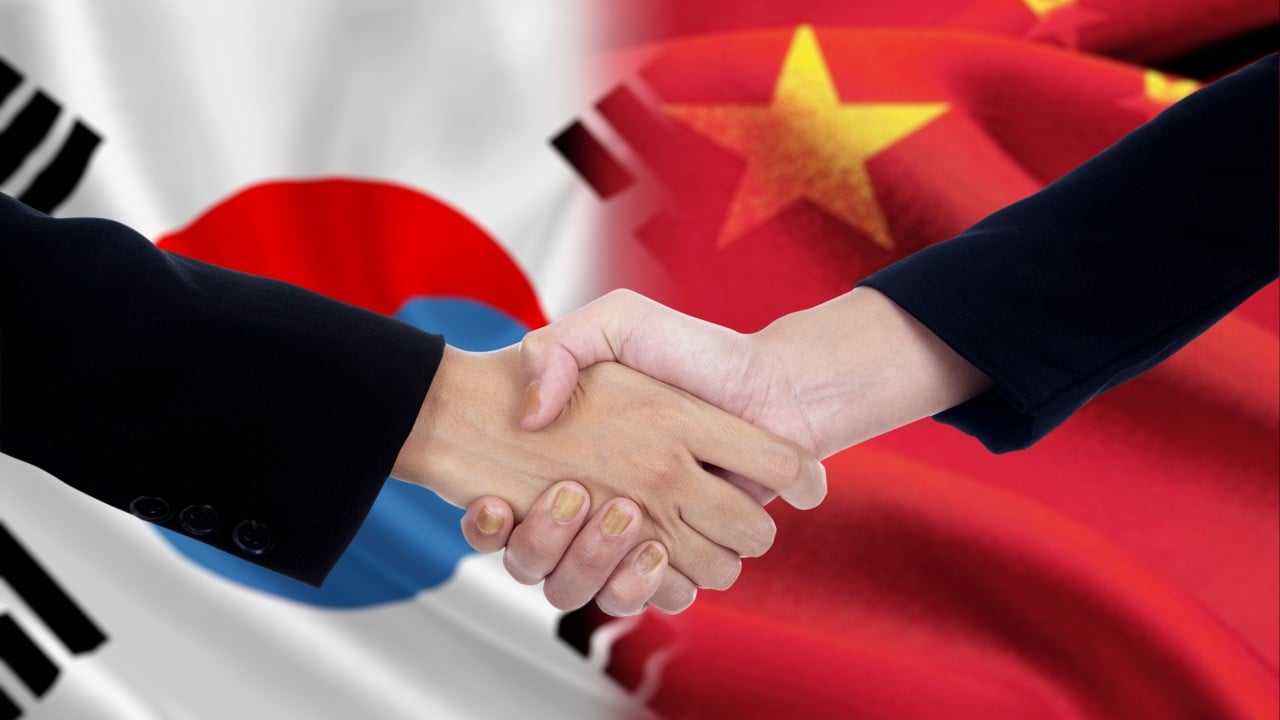
Amidst these military developments, South Korean President Lee Jae-myung is set to embark on a state visit to China, marking the first visit by a sitting South Korean president since 2019. Scheduled to take place from January 2 to January 5, 2026, the summit with President Xi Jinping aims to strengthen diplomatic ties and address key issues such as denuclearization of the Korean Peninsula and the lifting of an unofficial cultural content ban imposed by China on South Korean media (South China Morning Post; France 24).
This visit comes at a time when China is keen to bolster its regional ties, particularly with South Korea, in light of strained relations with Japan over historical grievances and security collaborations amid Taiwan-related tensions. Reports indicate that while Beijing rolls out the red carpet for South Korean business leaders accompanying President Lee, Japanese firms are facing a cold shoulder from China, reflecting the shifting dynamics of geopolitical alliances in East Asia (South China Morning Post).
In conclusion, China's dual approach of military assertiveness near Taiwan and diplomatic engagement with South Korea underscores the complexities of its foreign policy in a rapidly evolving geopolitical environment. As tensions persist around Taiwan, the outcomes of these military drills and the upcoming summit with South Korea will likely have significant implications for regional stability and international relations in the coming months.






