
China Completes Military Maneuvers Near Taiwan Amid Rising Tensions
As the new year begins, China has successfully completed a series of military maneuvers in close proximity to Taiwan, a development that underscores the escalating tensions in the Taiwan Strait. The exercises, which were concluded on December 31, 2025, have raised alarms among regional observers and have prompted discussions regarding the implications for cross-strait relations and international security.
The maneuvers were characterized by a significant mobilization of naval and aerial forces, showcasing China's military capabilities and its readiness to assert its claims over Taiwan. The Chinese government has framed these exercises as routine training activities aimed at enhancing the readiness of its armed forces. However, the timing and scale of the operations have been viewed as a direct response to ongoing tensions with Taiwan and the international community, particularly the United States.
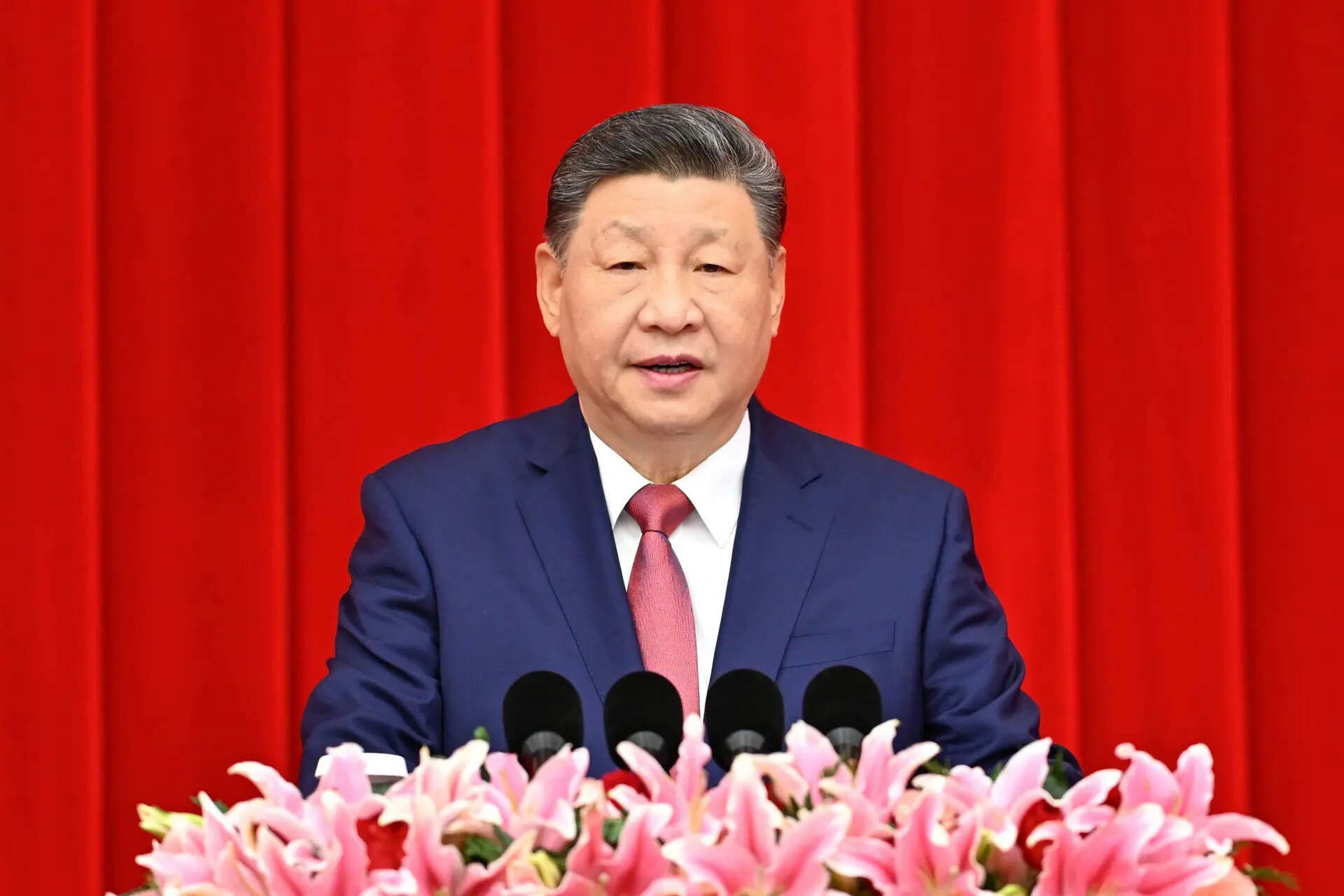
In a parallel context, Chinese President Xi Jinping delivered a New Year’s address that highlighted the nation’s advancements in artificial intelligence (AI) and semiconductor manufacturing. Xi emphasized the importance of technological self-sufficiency amid U.S. sanctions targeting critical sectors of the Chinese economy. He presented the current geopolitical landscape as a catalyst for China’s push towards greater independence in technology, stating that challenges from the U.S. have spurred domestic innovation and resilience.
The maneuvers near Taiwan coincide with Xi's assertion of China's technological ambitions. The Chinese leader pointed out that despite limitations imposed by U.S. embargoes, Chinese companies are thriving, with startups like DeepSeek AI emerging as formidable players in the global tech arena. This narrative of resilience and growth reflects China's broader strategy to bolster its technological prowess while navigating external pressures.
The military exercises and Xi’s address come against a backdrop of heightened vigilance from Taiwan and its allies. Taiwan's government has condemned the Chinese maneuvers, asserting that they pose a threat to regional stability. Taiwanese President Volodymyr Zelenskyy has called for increased international support to counter what he describes as aggressive military posturing from Beijing. The situation has prompted discussions among U.S. and allied defense officials about reinforcing security commitments in the region.
The Taiwan Strait remains one of the most sensitive and heavily militarized areas in the world, with both the U.S. and China maintaining significant military presences. The ongoing military activities signal that Beijing is not deterred by diplomatic overtures or calls for dialogue, as it continues to pursue its objectives regarding Taiwan.
As tensions persist, analysts suggest that the international response will be crucial in shaping future interactions between China and Taiwan. The U.S. has reiterated its commitment to Taiwan's defense, which may further complicate the dynamics in the region. The situation remains fluid, and the completion of these military exercises may pave the way for increased military readiness on both sides.
In conclusion, China's recent military maneuvers near Taiwan, coupled with Xi Jinping's emphasis on technological advancement, illustrate the complex interplay of military and economic strategies that define current geopolitical dynamics. As the world watches closely, the implications of these developments will likely resonate well beyond the Taiwan Strait, influencing global security and economic landscapes in 2026 and beyond.