
China Completes Military Maneuvers Near Taiwan Amid Rising Regional Tensions
China has successfully completed a series of military maneuvers near Taiwan, a development that underscores the ongoing tensions in the Taiwan Strait and the broader geopolitical landscape in East Asia. The exercises, announced on December 31, 2025, are part of China's ongoing military strategy to assert its claims over Taiwan, which it considers a breakaway province.
The maneuvers involved live-fire drills and the mobilization of naval and air forces, aimed at simulating a potential military response should Taiwan attempt to declare independence. These exercises come at a time when relations between Beijing and Taipei remain strained, with increased rhetoric from both sides regarding sovereignty and national security.
"The completion of these maneuvers demonstrates our preparedness to protect national sovereignty and territorial integrity," a spokesperson for the Chinese Ministry of Defense stated. This military posturing is seen as part of a broader strategy to deter foreign intervention, particularly from the United States, which has historically supported Taiwan through arms sales and diplomatic engagement.
Regional Implications and Concerns
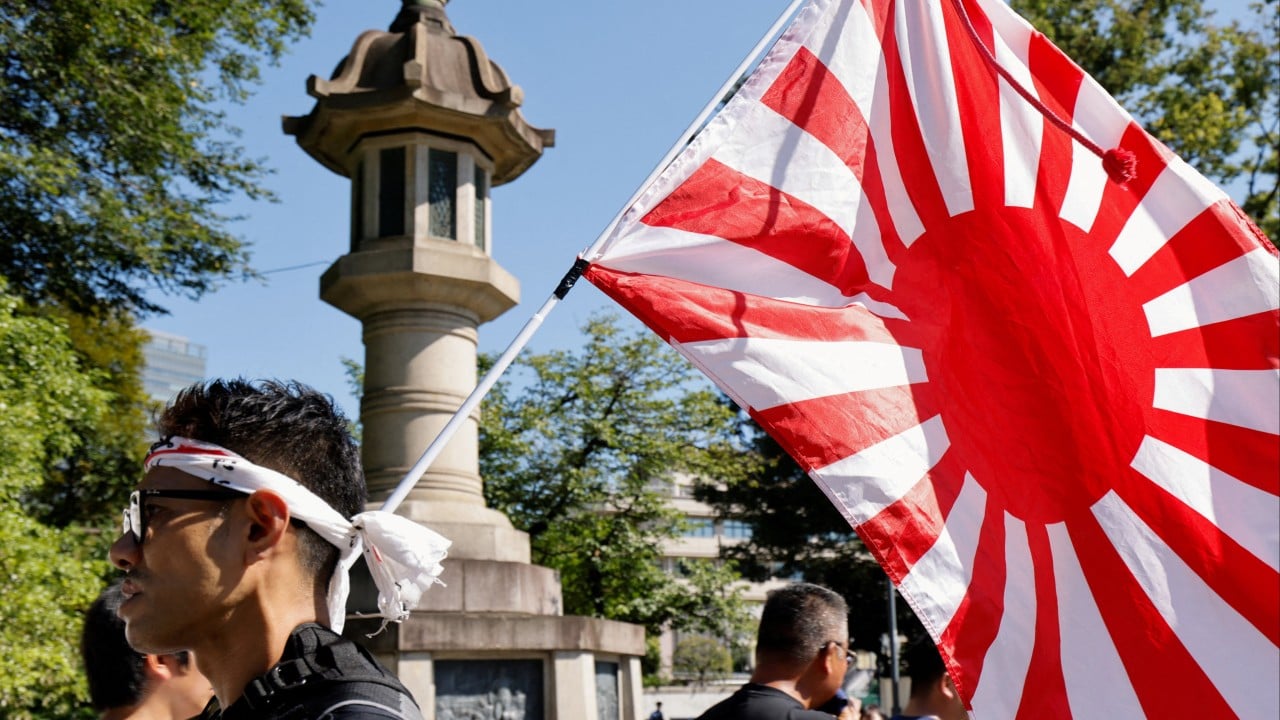
The completion of these military exercises has raised concerns not only in Taiwan but also among China's neighbors, particularly Japan. The South China Morning Post reported that China's Communist Party has issued warnings about the resurgence of Japanese militarism, suggesting that Japan's military activities are increasingly influencing regional stability. Notably, a recent article in the Communist Party's Study Times criticized Japanese cultural figures for allegedly promoting militaristic narratives, tying this to broader concerns about Japan's military posture in the region.
As China's military capabilities grow, its neighbors are becoming increasingly vigilant. Japan, in particular, has been strengthening its defense ties with the United States and other regional allies in response to perceived threats from China. The situation is further complicated by North Korea's ongoing missile tests and military provocations, which have added another layer of tension to East Asian security dynamics.
Background on Taiwan Relations
The Taiwan Strait has been a flashpoint in U.S.-China relations for decades. Following the Chinese Civil War, the Nationalist government retreated to Taiwan in 1949, while the Communist Party established the People's Republic of China on the mainland. Since then, Taiwan has developed into a self-governing democracy, although Beijing has never renounced the use of force to achieve reunification.
In recent years, Taiwan has sought to strengthen its international presence and has increasingly pushed back against China's claims. The election of President Tsai Ing-wen in 2016 marked a significant shift in Taiwan's approach, as her administration has advocated for a distinct Taiwanese identity and greater international recognition.
Conclusion
As China continues to assert its military presence near Taiwan, the potential for conflict remains a significant concern for regional and global security. The successful completion of military maneuvers signals China's determination to reinforce its claims over Taiwan and respond to perceived provocations from the U.S. and its allies. In this delicate geopolitical environment, the interplay between military readiness and diplomatic engagement will be crucial in determining the future stability of the region. The situation remains fluid, and continued vigilance from all parties involved will be essential in navigating these complex dynamics.






