
China Bans Dual-Use Exports to Japan, Escalating Tensions Over Taiwan and Regional Security
Beijing, January 10, 2026 — China has imposed a ban on exports of dual-use goods to Japan, a move that risks further straining relations with the key U.S. ally amid heightened disputes over Taiwan and broader Indo-Pacific security dynamics. The restriction, announced on January 7, targets items with both civilian and military applications, signaling Beijing's growing assertiveness in countering perceived threats from Tokyo.
The ban comes as cross-strait tensions simmer, with China viewing Japan's increasing military cooperation with Taiwan and its alignment with Washington as provocative. Dual-use goods, which include advanced electronics, chemicals, and precision machinery often critical for defense industries, are now subject to strict export controls. This action follows a pattern of economic measures China has employed in territorial and security disputes, reminiscent of previous restrictions on Australia and Lithuania over similar geopolitical frictions.
Official Chinese statements frame the ban as a safeguard against the proliferation of technologies that could undermine regional stability. It coincides with Japan's bolstering of its defense posture, including record military spending increases and enhanced U.S.-Japan joint exercises near Taiwan. Tokyo has not yet issued a formal response, but Japanese officials have expressed concerns over supply chain disruptions, given China's dominant role in global manufacturing of semiconductors and rare earth materials.
Trump's Remarks Add to Diplomatic Strain
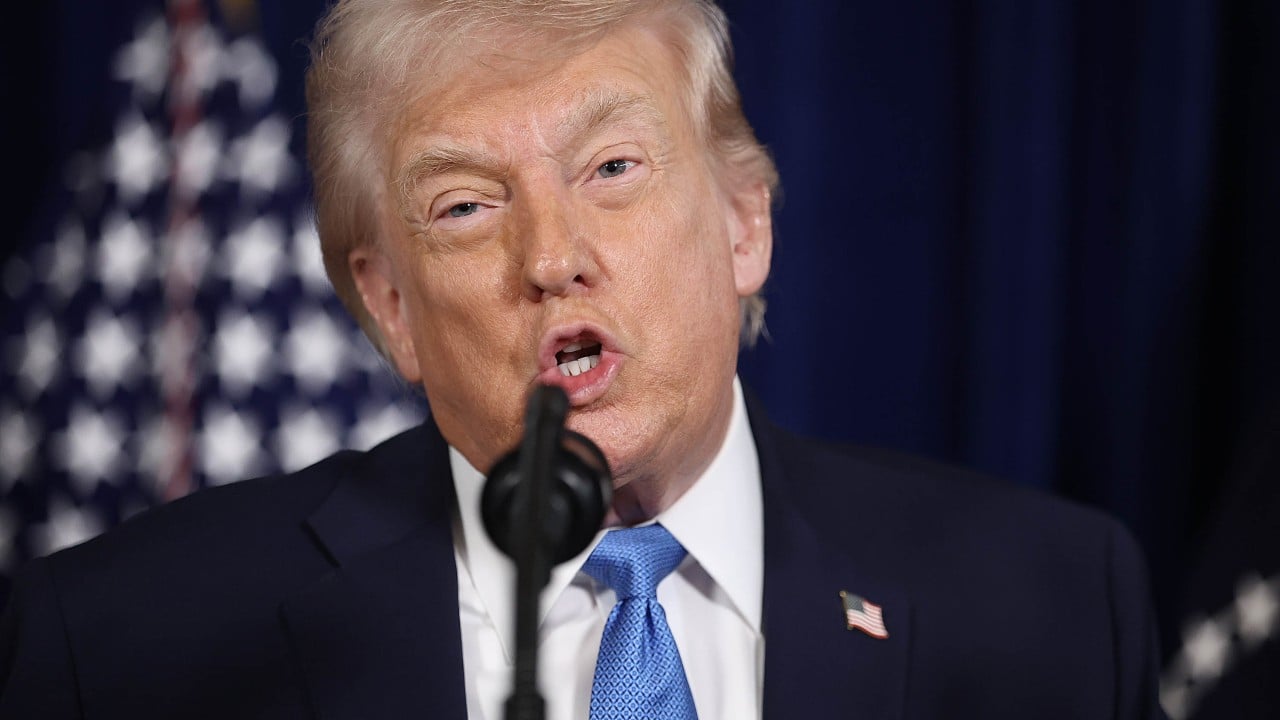
The development unfolds against a backdrop of pointed U.S. commentary on Taiwan. In an interview with The New York Times published on January 9, U.S. President Donald Trump stated that the Taiwan issue is "up to" Chinese President Xi Jinping, drawing a clear line between the self-ruled island and recent U.S. military operations in Venezuela. Trump rejected parallels between Washington's intervention against Venezuelan President Nicolás Maduro — described as a direct threat to U.S. interests — and any potential action over Taiwan.
"Taiwan is ‘up to’ Xi Jinping and ‘nothing like’ Venezuela," Trump emphasized, underscoring his administration's reluctance to equate the two scenarios. The remarks come after U.S. forces conducted what Trump called an "audacious operation" targeting Maduro's government, which Beijing and others have criticized as extraterritorial overreach. Analysts note that Trump's positioning may signal a strategic pivot, prioritizing deterrence in Latin America while adopting a more hands-off rhetoric on Taiwan to avoid direct confrontation with China.
This statement has ripple effects in East Asia, where Japan — hosting over 50,000 U.S. troops — plays a pivotal role in America's Indo-Pacific strategy. Tokyo has deepened ties with Taipei, including providing humanitarian aid after Taiwan's recent earthquake and advocating for Taiwan's participation in international forums. China's export ban appears calibrated to pressure Japan without provoking outright military escalation, but it underscores Beijing's view of the U.S.-Japan alliance as encircling its core interests.
Background: Layered Tensions in the Taiwan Strait
China-Japan frictions are deeply rooted in historical and territorial disputes. The two nations contest the Senkaku/Diaoyu Islands in the East China Sea, where Chinese coast guard vessels have repeatedly entered contested waters. Japan's 2022 National Security Strategy explicitly named Taiwan contingencies as a potential threat to its survival, prompting investments in long-range missiles and cyber defenses.
Taiwan remains the flashpoint. Beijing claims the island as its territory and has intensified military drills around it, including simulated blockades. The U.S., bound by the Taiwan Relations Act, provides defensive arms to Taipei, while Japan has pledged logistical support in any conflict. Recent U.S. actions in Venezuela have fueled Chinese narratives of American "hegemonism," with state media drawing implicit comparisons to potential Taiwan scenarios.
Economically, the ban disrupts bilateral trade, valued at over $300 billion annually. Japan relies on China for 60% of its rare earth imports and key semiconductor components. Past Chinese restrictions, such as the 2010 rare earth embargo during Senkaku disputes, led to global price spikes and accelerated Japan's diversification efforts under the "China-plus-one" strategy.
Outlook: Risks of Broader Fallout
While the ban's medium severity suggests it's not an all-out trade war, it could prompt countermeasures from Tokyo and Washington. Japan may accelerate its economic security laws, promoting domestic production and alliances like the Quad (U.S., Japan, India, Australia). U.S. officials have hinted at invoking export control alliances, such as the Wassenaar Arrangement, to counter Chinese restrictions.
Diplomatic channels remain open, with high-level talks possible at upcoming ASEAN summits. However, as Trump’s comments illustrate, mixed signals from Washington complicate deterrence. Stakeholders watch closely for signs of de-escalation, but the interplay of Taiwan, technology, and alliances points to a protracted standoff in Asia's geopolitical chessboard.
(Word count: 682)