
China Balances Diplomacy with South Korea Against Escalating Taiwan Pressures
Beijing/Shanghai, January 7, 2026 – South Korean President Lee Jae-myung held a significant second summit with Chinese President Xi Jinping this week, yielding US$44 million in trade deals and discussions on contentious Yellow Sea disputes and Korean Peninsula stability, even as Beijing intensified its stance toward Taiwan by sanctioning two more cabinet ministers and recently concluding military maneuvers near the island.
The summit, which began on January 2 in Beijing, underscores efforts to revive economic and diplomatic ties between China and South Korea after years of friction. According to South Korea's Ministry of Trade, Industry and Energy, the two sides signed dozens of memorandums of understanding (MOUs) and export promotion deals totaling US$44 million during South Korea's first such investment attraction event in Beijing in nine years. This comes amid shifting regional dynamics, including ongoing tensions between Beijing and Tokyo, which have indirectly boosted Seoul-Beijing cooperation.
President Lee highlighted progress on a long-standing maritime dispute during a press event in Shanghai on January 7. He stated that China is expected to remove one of its steel structures erected in the overlapping waters of the Yellow Sea, an area contested due to South Korea's Ieodo exclusive economic zone claims and China's installations since the 2010s. "China is expected to remove part of disputed steel structures from overlapping waters in the Yellow Sea," Lee said, signaling a potential de-escalation in bilateral frictions.
Lee also pressed Xi to assume a mediator role on the Korean Peninsula. "I asked China's Xi to play the role of a mediator on the Korean Peninsula," Lee remarked, referencing North Korea's advancing nuclear program and stalled denuclearization talks. This request reflects Seoul's strategy to leverage China's influence over Pyongyang, especially as U.S.-China rivalry complicates multilateral diplomacy. The summit marks Lee's second meeting with Xi, building on prior engagements amid South Korea's evolving foreign policy under its current administration.
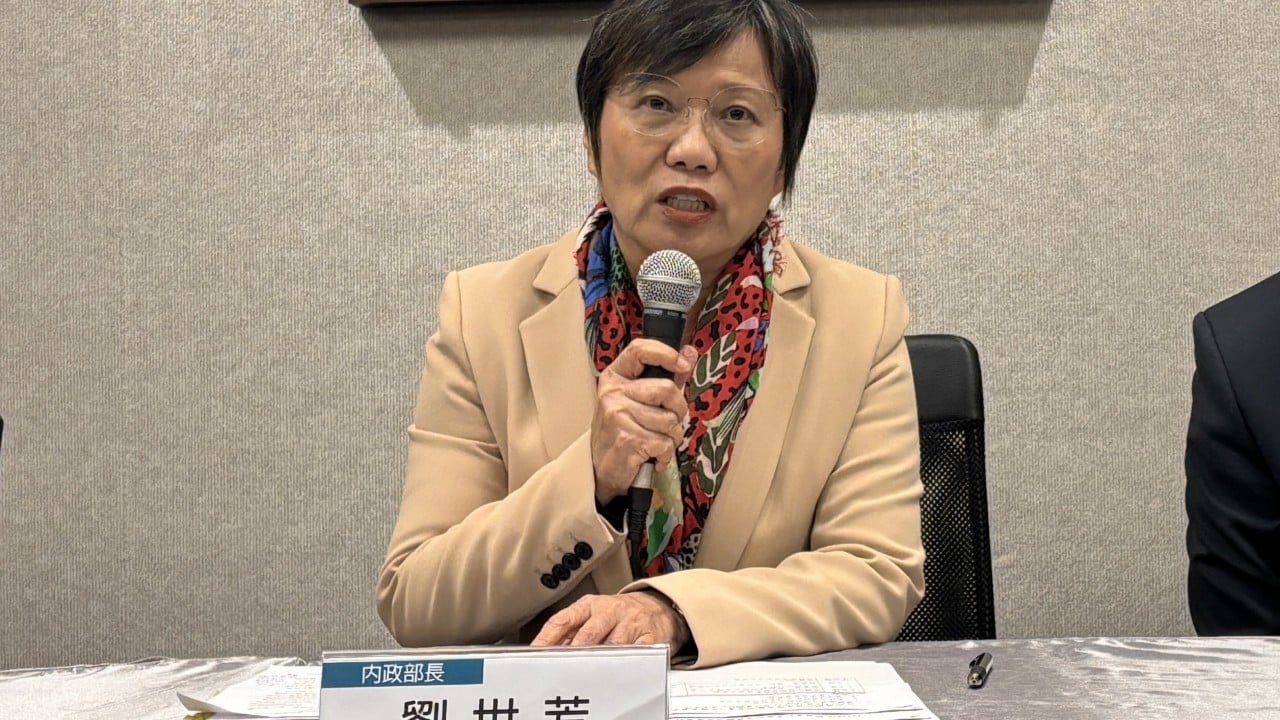
Parallel to these diplomatic overtures, China has ramped up pressures on Taiwan. On January 7, Beijing's Taiwan Affairs Office (TAO) announced sanctions against two serving Taiwanese cabinet ministers—Interior Minister Liu Shyh-fang and Education Minister Cheng Ying-yao—labeling them "stubborn Taiwan independence figures." TAO spokesman Chen Binhua accused them of behaviors undermining cross-strait relations and promoting separatism. These measures freeze their assets in mainland China, bar business dealings, and prohibit entry, adding to a growing list of sanctioned Taiwanese officials under President Lai Ching-te's administration, which Beijing views as provocative.
This action follows China's announcement on December 31, 2025, of the successful completion of military maneuvers near Taiwan, a routine but heightened show of force amid stalled unification talks and U.S. arms sales to Taipei. The drills, described as medium-severity exercises, involved naval and air assets encircling key Taiwanese waters, echoing larger operations after Lai's May 2024 inauguration.
Background on China-South Korea Relations and Regional Flashpoints
China-South Korea ties hit lows after Seoul's 2017 deployment of the U.S. THAAD missile defense system, prompting Chinese economic retaliation that cost Korean firms billions. Relations have thawed since 2023, with trade rebounding to over US$300 billion annually—China remains South Korea's largest trading partner. The recent summit aligns with Beijing's push for economic resilience amid U.S. tech export curbs and South Korea's diversification under "friend-shoring" policies.
On Taiwan, Beijing's sanctions and drills fit a pattern of "gray zone" coercion. Since Lai's election, China has conducted near-monthly exercises, sanctioned over a dozen officials, and restricted Taiwanese imports. The U.S., bound by the Taiwan Relations Act, continues defensive arms support, while urging restraint.
Yellow Sea disputes stem from undefined maritime boundaries post-1992, with China's structures—allegedly for aquaculture—encroaching on South Korea's claimed zones near Ieodo (Socotra Rock), an uninhabitable atoll. Past incidents, including 2023 naval standoffs, have raised collision risks.
Economically, China bolsters its tech self-reliance. Shanghai announced a US$10 billion investment in high-tech industries on January 7, targeting semiconductors, AI, and biotech amid U.S.-China competition. This infusion aims to counter export controls like those on advanced chips, positioning Shanghai as a global innovation hub.
Outlook
These developments highlight China's dual-track geopolitics: warming ties with neighbors like South Korea to counter U.S. alliances, while maintaining pressure on Taiwan to deter independence moves. Observers note the summit's trade wins and Yellow Sea concessions could stabilize Northeast Asia, but Taiwan sanctions and drills risk broader escalation. As Lee returns home, trilateral U.S.-Japan-South Korea coordination—and China's response—will shape the trajectory.
(Word count: 682)






