Chargesheet Filed in Student Leader Murder Case as Bangladesh Grapples with Ongoing Civil Unrest and Minority Violence Concerns

Latest from X
Chargesheet Filed in Student Leader Murder Case as Bangladesh Grapples with Ongoing Civil Unrest and Minority Violence Concerns
Dhaka, Bangladesh – Authorities in Bangladesh have filed a chargesheet naming 17 individuals in the murder of student leader Sharif Osman Hadi, attributing the crime to political motives tied to the ousted Awami League party, amid a backdrop of persistent civil unrest. The development, reported on January 6, 2026, underscores the fragile security situation in the country nearly 18 months after the mass protests that toppled the long-ruling Awami League government.
The chargesheet marks a significant step in the investigation into Hadi's killing, which has fueled tensions in an already volatile political landscape. Hadi, a prominent student activist, was assassinated in circumstances investigators have linked to political rivalries lingering from the Awami League era. The named suspects include figures allegedly connected to the former ruling party, highlighting how grievances from the 2024 uprising continue to manifest in targeted violence.
This case emerges against a wave of broader civil unrest that has plagued Bangladesh since the summer of 2024. What began as student-led protests against job quotas escalated into nationwide demonstrations, culminating in the resignation of Prime Minister Sheikh Hasina on August 5, 2024. An interim government headed by Nobel laureate Muhammad Yunus took over, promising reforms, but the country has since witnessed sporadic clashes, economic disruptions, and reprisal attacks. Security forces have struggled to maintain order, with reports of vigilante justice and communal tensions exacerbating divisions.
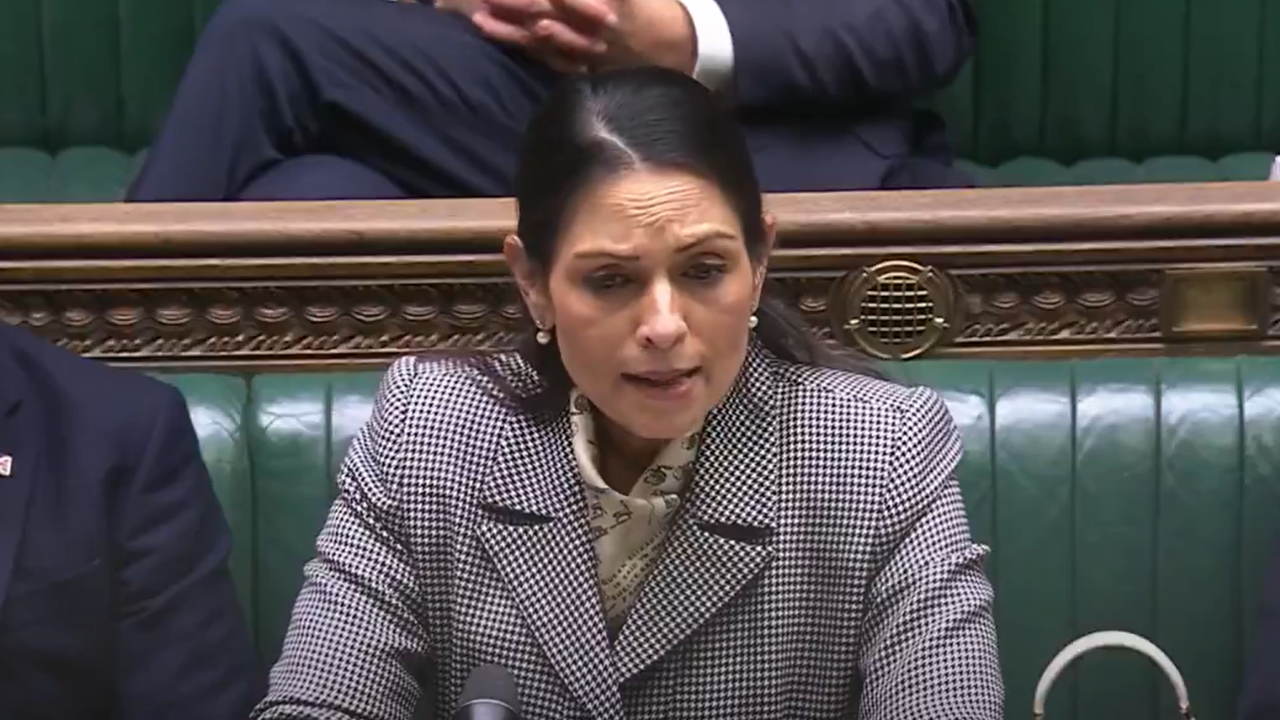
Parallel to these developments, international attention has intensified on reports of violence against religious minorities, particularly Hindus, who make up about 8% of Bangladesh's population. Former British Home Secretary Priti Patel, a Conservative MP, has publicly condemned what she describes as "unacceptable levels of violence" targeting Hindus, including recent killings. In a statement covered by media outlets, Patel urged the UK government to leverage its diplomatic influence to press Bangladeshi authorities for assurances on minority protections. She emphasized the need for stability and religious freedoms, calling on London to detail its engagement with Dhaka.
Patel's intervention reflects growing global scrutiny of the interim government's handling of post-uprising violence. Posts found on X from Patel and others echo concerns about persecution and murders of Hindus, framing them as symptomatic of deeper instability. These sentiments align with reports from human rights groups documenting attacks on Hindu homes, temples, and businesses, often attributed to retaliatory actions against perceived Awami League sympathizers. Bangladesh's Hindu community, historically aligned with the Awami League, has reported heightened insecurity since Hasina's ouster.
Background on Bangladesh's Turmoil
Bangladesh's civil unrest traces its roots to July 2024, when student protests against a reinstated quota system for government jobs—reserving 30% for descendants of 1971 independence war veterans—ignited fury over corruption and unemployment. The protests, initially peaceful, turned deadly after a government crackdown killed over 200 people, according to official figures, though rights groups estimate higher tolls. Hasina's flight to India paved the way for the Yunus-led administration, which has pursued judicial reforms, including trials for former officials accused of abuses during the Awami League's 15-year rule.
However, the transition has been rocky. Economic woes, including inflation and factory shutdowns, have sustained public discontent. Political vacuum has allowed Islamist groups and rival factions to gain ground, contributing to communal flare-ups. The United Nations and Amnesty International have documented over 100 attacks on minorities since August 2024, with Hindus disproportionately affected. Dhaka has arrested hundreds in connection with such incidents, but critics argue enforcement remains uneven.
The Hadi murder case exemplifies how personal vendettas intertwine with politics. As a student leader vocal during the quota protests, Hadi symbolized the youth-driven change. Linking his death to Awami League elements suggests ongoing score-settling, potentially complicating the interim government's efforts to unify the nation ahead of promised elections.
International Response and Outlook
Patel's call for UK action is part of a chorus from diaspora communities and Western politicians. India, home to many Bangladeshi Hindus, has also voiced concerns, with Foreign Minister S. Jaishankar raising minority safety in bilateral talks. The UK, Bangladesh's second-largest trading partner after China, holds leverage through aid and remittances.
As of January 9, 2026, Bangladesh's interim government faces mounting pressure to stabilize the situation. While the chargesheet in the Hadi case signals judicial progress, addressing root causes—economic inequality, political retribution, and minority protections—remains critical. Failure to do so risks further escalation, potentially derailing democratic reforms.
Analysts predict elections by late 2026, but sustained unrest could delay this timeline. For now, Dhaka's ability to prosecute high-profile cases like Hadi's while curbing communal violence will test its credibility on the world stage.
(Word count: 682)
Track this story live
Original Sources
- •
Editorial process: This article was synthesized from the original sources cited above using The World Now's AI editorial system, with byline accountability from our editorial team. We grade every story for source grounding, factual coherence, and on-topic match before publication. Read more about our editorial standards and contributors. Spot something inaccurate? Let us know.
Last updated: March 7, 2026






