
Ceasefire Reached Following Deadly Clashes at Thai-Cambodia Border
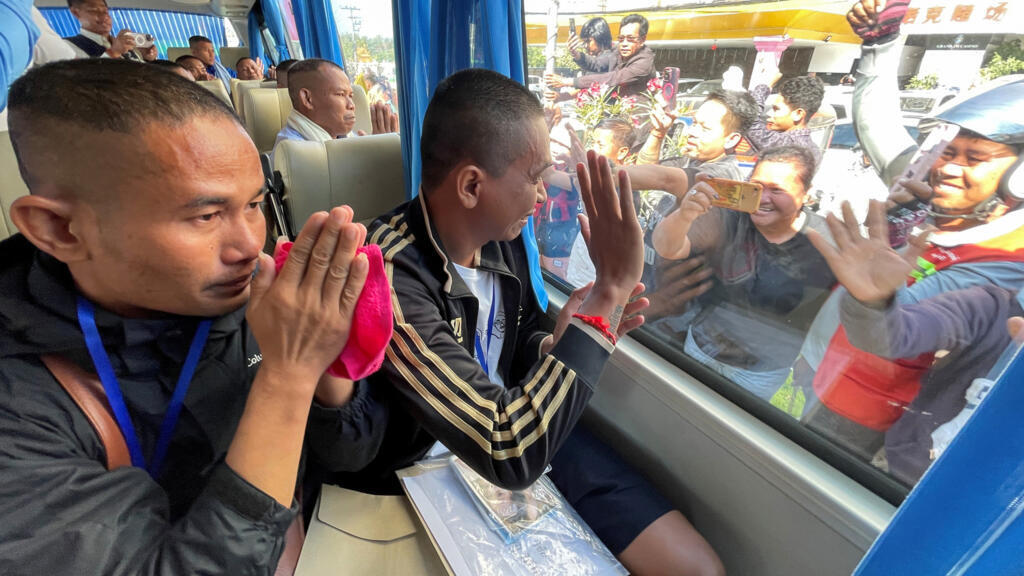
A ceasefire agreement has been reached between Thailand and Cambodia, marking a significant development in the ongoing border conflict that has escalated dramatically since December. The deal, signed on December 30, 2025, facilitated the release of 18 Cambodian soldiers who had been held captive by Thai forces since clashes erupted in July.
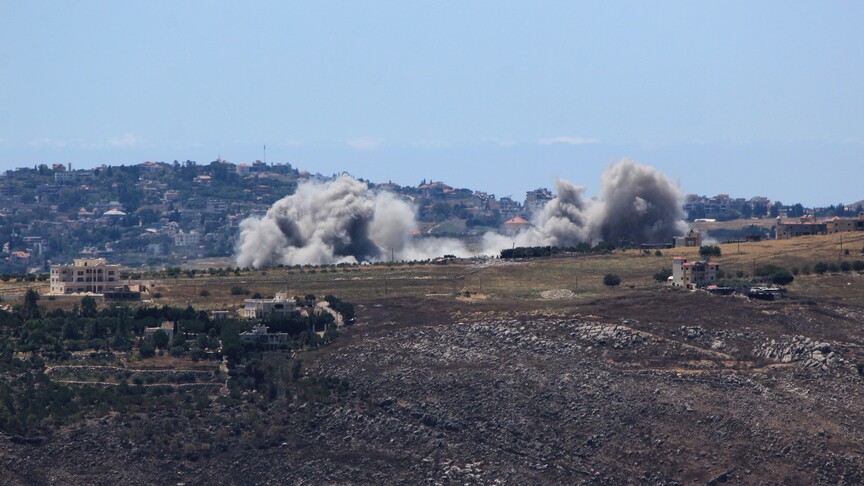
The renewed hostilities, which began earlier this month, have resulted in dozens of fatalities and displaced over a million people, exacerbating an already tense situation in the region. The fighting, which has primarily occurred along disputed areas of the Thai-Cambodian border, saw both sides exchanging heavy artillery fire, leading to significant civilian casualties and destruction of property.
According to reports, the release of the Cambodian soldiers was a crucial aspect of the ceasefire negotiations. The Thai government acknowledged the humanitarian implications surrounding the hostages, emphasizing the need for de-escalation and a return to dialogue.
Background of the Conflict
Tensions between Thailand and Cambodia have a long history, primarily revolving around territorial disputes and national pride. The latest bout of violence began in July 2025, when clashes broke out over contested border areas that have been points of contention for decades. The situation intensified significantly in December, leading to widespread violence and humanitarian crises.
The region has seen sporadic violence over the years, but the recent clashes have been among the deadliest in recent memory. Reports indicate that both sides have suffered significant military and civilian losses, raising concerns among international observers and human rights organizations.
The Humanitarian Crisis
The effects of the conflict have been devastating for local communities. An estimated one million people have been displaced from their homes due to the fighting, many of whom are now living in makeshift shelters along the border. Humanitarian organizations are calling for urgent assistance to address the needs of these displaced individuals, who require food, medical care, and shelter.
Aid workers have reported difficulties in accessing affected areas due to ongoing hostilities. The ceasefire agreement, however, raises hopes for improved conditions and the possibility of delivering much-needed humanitarian assistance.
Conclusion and Outlook
The recent ceasefire agreement between Thailand and Cambodia represents a potential turning point in a conflict that has claimed many lives and displaced countless others. While the release of the Cambodian soldiers is a positive step, the broader issues surrounding the territorial disputes remain unresolved. Both governments will need to engage in constructive dialogue to ensure lasting peace and stability in the region.
Moving forward, the international community will be closely monitoring the situation, encouraging both nations to adhere to the ceasefire and prioritize humanitarian efforts. The path to reconciliation may be long, but the recent developments provide a glimmer of hope in a protracted and painful conflict.