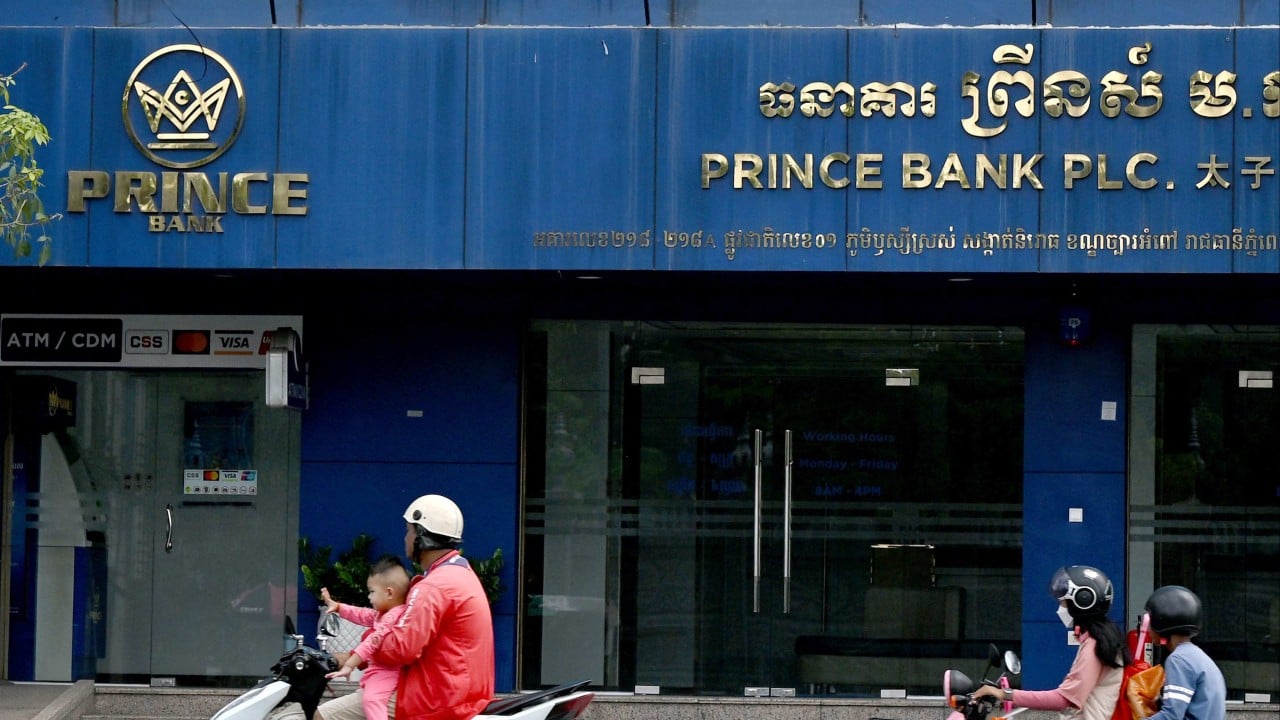

Cambodia's Central Bank Orders Liquidation of Prince Bank Amid Ties to U.S.-Indicted Fraud Suspect Chen Zhi
Phnom Penh, Cambodia – Cambodia's National Bank of Cambodia (NBC) has mandated the liquidation of Prince Bank, a commercial lender founded by Chinese businessman Chen Zhi, who faces U.S. indictment over an alleged multibillion-dollar fraud scheme. The move, announced on Thursday, January 8, 2026, suspends the bank's ability to accept new deposits or offer fresh services, marking a significant regulatory action in the kingdom's financial sector.
The NBC stated that Prince Bank "has been placed under liquidation in accordance with the laws of the Kingdom of Cambodia." This decision follows heightened scrutiny of financial institutions linked to high-profile scam operations, particularly those involving Chinese nationals operating in Southeast Asia. Prince Bank, which had been providing retail banking services, is now barred from onboarding new clients, a step aimed at protecting depositors and stabilizing the broader banking system.
Chen Zhi, the bank's founder, has been at the center of international legal battles. U.S. authorities indicted him in connection with a massive fraud involving over $6.8 billion in deceptive investment schemes, primarily targeting Chinese investors through platforms like Yatao Investment Management. The allegations include wire fraud, money laundering, and operating a Ponzi-like structure that promised high returns on fictitious real estate and tech investments. Chen was reportedly extradited to China earlier, where he faces additional probes, underscoring the cross-border nature of the case.
Regulatory Context and Bank Operations
The liquidation order reflects Cambodia's ongoing efforts to cleanse its financial landscape from entities associated with illicit activities. Prince Bank, established in 2020, rapidly expanded by offering digital banking services popular among Cambodia's growing middle class and expatriate communities, particularly in coastal hubs like Sihanoukville. The bank boasted a network of branches and mobile apps, positioning itself as a fintech innovator in a market dominated by state-owned lenders like Acleda Bank and Canadia Bank.
However, its ties to Chen Zhi drew red flags. Chen, a low-profile billionaire with interests in property, casinos, and philanthropy through his Prince Foundation, has been implicated in Cambodia's notorious "scam compounds." These operations, largely dismantled in 2022-2023 under Chinese-Cambodian joint raids, involved human trafficking, online gambling fraud, and cryptocurrency scams that bilked victims worldwide of billions. Sihanoukville, once a beach resort, became a hub for such activities fueled by Chinese capital before Prime Minister Hun Manet's government intensified crackdowns following his ascension in 2023.
The NBC's statement did not detail the specific triggers for liquidation beyond legal compliance, but sources familiar with the matter indicate liquidity issues and reputational risks stemming from Chen's legal woes. Depositors with existing accounts are advised to contact NBC-appointed liquidators for claim processes, though no immediate payout timeline has been released. Cambodia's banking sector, which holds over $30 billion in assets as of late 2025, has seen steady growth at 15-20% annually, buoyed by remittances and tourism recovery, but remains vulnerable to illicit finance flows.
Broader Background on Chen Zhi and Scam Crackdowns
Chen Zhi's trajectory mirrors the boom-and-bust cycle of Chinese investment in Cambodia. Arriving in the early 2010s, he built an empire including the Prince Group, which spanned banking, real estate, and hotels. His philanthropy, such as funding hospitals and schools via the Prince Foundation, earned him favor with Cambodian elites, including ties to the ruling Cambodian People's Party. Yet, U.S. Department of Justice filings from 2024 paint a darker picture: Chen allegedly laundered proceeds through Cambodian entities, including banks, to obscure funds from his Yatao fraud, which collapsed in 2023 amid investor revolts.
Cambodia has positioned itself aggressively against scams since 2022, repatriating over 12,000 suspects to China and shuttering thousands of illegal operations. Legislation like the 2023 Anti-Human Trafficking Law and enhanced NBC oversight have fortified financial regulations. The Prince Bank case aligns with similar actions, such as the 2024 suspension of other microfinance firms linked to Ponzi schemes.
Internationally, the U.S. has ramped up pressure via sanctions and indictments under the Fentanyl Sanctions Act and anti-money laundering frameworks, targeting Southeast Asian nodes in global fraud networks. Chen's extradition to China highlights Beijing's parallel campaign against "pig butchering" scams, which originate in Myanmar, Laos, and Cambodia.
Implications for Cambodia's Economy
The liquidation could ripple through Cambodia's financial ecosystem. With total deposits exceeding $25 billion industry-wide, public confidence is paramount ahead of 2026's projected 6.5% GDP growth driven by garments, tourism, and construction. Analysts note that while Prince Bank's market share was modest—under 2%—its downfall reinforces investor wariness toward opaque ownership.
The NBC has assured continuity for solvent institutions, but watchdog groups like the Cambodia Banking Association urge swift asset distribution to depositors. For Chen Zhi, ongoing U.S. and Chinese proceedings may lead to asset freezes, complicating recovery efforts.
As Cambodia balances foreign investment with regulatory rigor, the Prince Bank saga exemplifies the kingdom's pivot toward transparent finance. Further details on liquidation proceedings are expected from the NBC in coming weeks, amid watchful eyes from international partners.
(Word count: 728)






