
Cambodia Accuses Thailand of Border Occupation, Heightening Tensions
In a significant escalation of tensions in Southeast Asia, Cambodia has accused Thailand of occupying the Chouk Chey border village, reigniting a long-standing territorial dispute between the two nations. This accusation comes just days after the two countries agreed to a ceasefire following deadly clashes that had resulted in numerous casualties and widespread displacement.
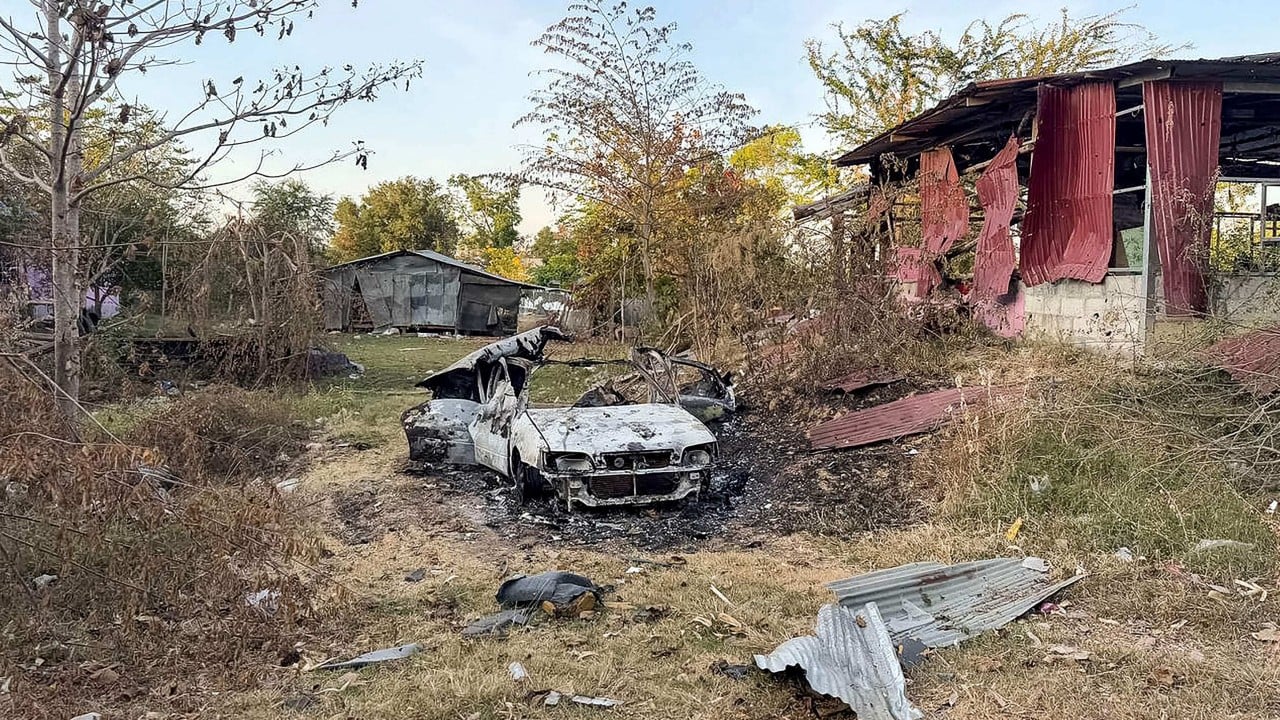
On January 2, 2026, Cambodian officials stated that Thai military forces had taken control of the village, describing the act as an "annexation" and a violation of the recently established truce. The border dispute, which has seen sporadic violence over the years, flared up again in December 2025, with military confrontations leading to dozens of deaths and the displacement of over one million people on both sides of the border.
Cambodia's Ministry of Foreign Affairs issued a statement condemning Thailand's actions, asserting that the village in question is an integral part of Cambodian territory. "We call on the Thai government to respect the ceasefire agreement and to withdraw its forces from the occupied areas," the statement declared. The Cambodian government expressed deep concerns that this latest development could undermine regional stability and escalate into further conflict.
The border between Cambodia and Thailand has been a contentious issue for decades, with both nations laying claim to various regions along their shared frontier. Previous skirmishes have often revolved around historical claims and the demarcation of borders, particularly in areas rich in natural resources. The agreement to a ceasefire on December 27 came after a series of intense military clashes in December that heightened fears of a larger conflict.
Thailand has yet to officially respond to Cambodia's accusations. However, analysts suggest that the Thai military's presence in the disputed area may be a strategic move to assert control and respond to perceived threats in the region. The recent clashes have highlighted the fragility of the ceasefire agreements and the potential for renewed violence if diplomatic solutions are not prioritized.
The international community is closely monitoring the situation, as both countries are members of the Association of Southeast Asian Nations (ASEAN), which promotes regional stability and cooperation. ASEAN's role in mediating disputes between member states could be crucial in de-escalating the current tensions.
Background
The Cambodia-Thailand border dispute is rooted in historical claims dating back to colonial times. The most prominent point of contention is the area surrounding the Preah Vihear Temple, which has been the subject of international legal rulings. In recent years, military skirmishes have intensified, with both sides accusing each other of encroachment and violation of sovereignty.
The situation has drawn criticism from human rights organizations, which emphasize the humanitarian impact of the conflict. The displacement of civilians and the loss of life due to military confrontations raise urgent concerns about the need for peace and dialogue.
Conclusion
As Cambodia accuses Thailand of border occupation, the potential for renewed conflict looms large over the region. Both nations face the challenge of navigating their historical grievances while ensuring the safety and security of their populations. The international community's involvement may prove vital in restoring peace and preventing further escalation, as the geopolitical landscape in Southeast Asia remains tense and unpredictable.






