
Bangladesh Navigates Geopolitical Tensions: Interest in Gaza Stabilization Amid Concerns Over Hindu Minority Safety
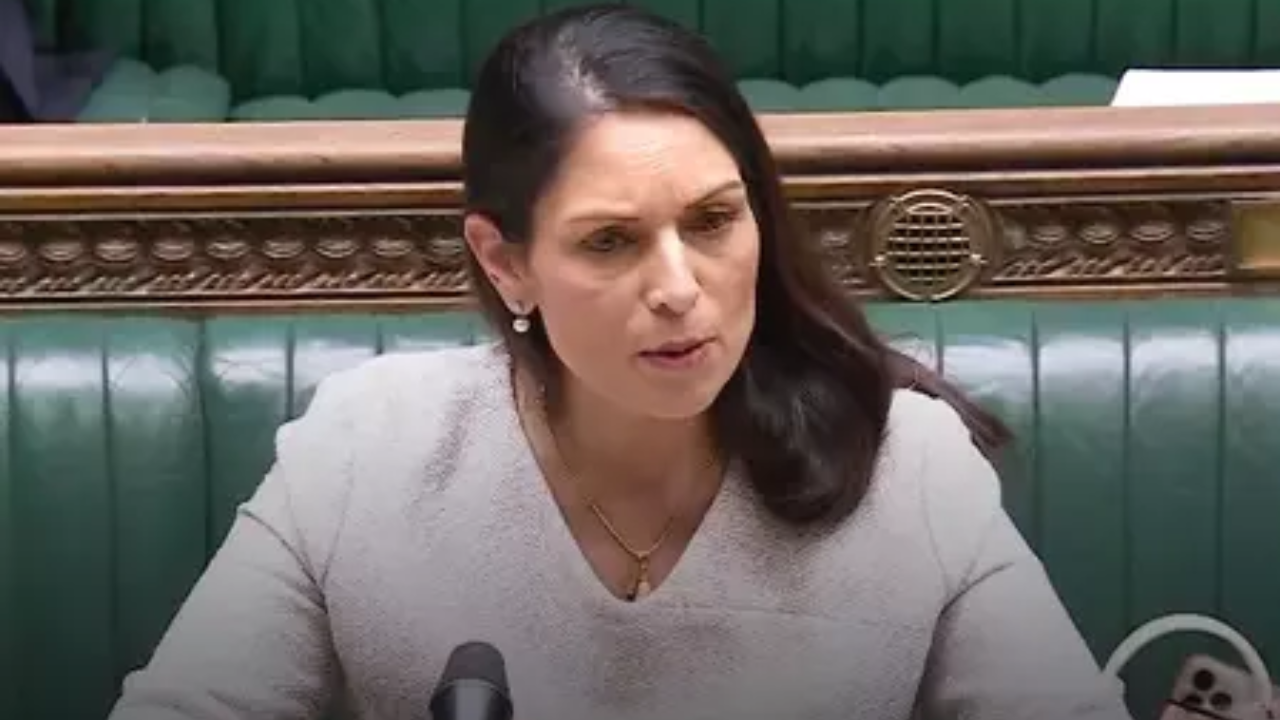
Dhaka/London – Bangladesh has expressed interest in joining a potential international stabilization force for Gaza, signaling its willingness to engage in Middle East peacekeeping efforts, even as domestic unrest draws international scrutiny over the safety of its Hindu minority. UK Shadow Minister Priti Patel has urged London to intervene to protect Hindus amid reports of rising violence, highlighting the interplay of internal stability and foreign policy ambitions in the South Asian nation.
The development on Bangladesh's potential Gaza involvement emerged on January 10, 2026, as the country eyes participation in stabilization operations in the war-torn enclave. Known for its extensive contributions to United Nations peacekeeping missions—ranking among the top troop-contributing nations with over 5,000 personnel deployed globally as of recent UN data—Bangladesh's interest aligns with its long-standing role in international security efforts. Officials have indicated a medium-level commitment to such a force, which could involve multinational efforts to secure Gaza post-conflict, though specifics on deployment size or timelines remain undisclosed.
In parallel, Bangladesh faces growing geopolitical pressure over internal minority issues. On January 11, 2026, Priti Patel, a prominent Conservative Party figure and shadow minister, called for UK government action to safeguard the Hindu community, which constitutes about 8% of Bangladesh's 170 million population. Speaking amid reports of attacks on Hindu homes, temples, and businesses, Patel emphasized the need for diplomatic intervention. "The UK must act to protect Hindus in Bangladesh," she stated, according to the Times of India report, framing the violence as a humanitarian crisis requiring international response.
This call comes in the wake of political upheaval that began in August 2024, when mass student-led protests ousted longtime Prime Minister Sheikh Hasina and her Awami League government. Nobel laureate Muhammad Yunus was appointed head of an interim administration, tasked with restoring order and preparing for elections. However, the transition has been marred by sporadic violence, particularly targeting perceived Awami League supporters, including the Hindu minority often associated with the former regime. Human Rights Watch and Amnesty International have documented over 100 incidents of attacks on Hindu sites since August 2024, including arson and mob violence in districts like Sunamganj and Dinajpur.
Bangladesh's government has denied systematic persecution, attributing incidents to isolated criminal elements exploiting the chaos. Interim leaders have formed probes and deployed security forces, but critics argue enforcement remains inconsistent. The rise of Islamist groups during the protests has fueled concerns in India, home to Bangladesh's largest diaspora and a key regional player with its own Hindu majority. New Delhi has repeatedly raised the issue bilaterally, straining ties despite shared economic interests.
Patel's intervention adds a Western dimension, reflecting broader UK interests in South Asia. As shadow home secretary under previous Conservative leadership, Patel has championed Hindu rights globally, including during Bangladesh's 2024 crisis. Her statement urges the UK Foreign Office to pressure Dhaka through diplomatic channels, potentially including sanctions or aid conditions. This comes as the UK maintains strong ties with Bangladesh via trade, remittances from the large Bangladeshi community in Britain, and climate aid—Bangladesh being one of the most vulnerable nations to rising sea levels.
Background on Bangladesh's Geopolitical Posture
Bangladesh's foreign policy has historically balanced relations with major powers while prioritizing Muslim world solidarity. It recognized Palestine decades ago and has provided humanitarian aid to Gaza during conflicts. Participation in a stabilization force would extend this engagement, potentially boosting Dhaka's standing in the Organisation of Islamic Cooperation (OIC), where it holds influence. Historically, Bangladesh has deployed peacekeepers to conflict zones like Mali, South Sudan, and Lebanon, earning praise for its disciplined forces.
Domestically, the Hindu minority's plight echoes past tensions, including during the 1971 Liberation War and periodic Islamist surges. The 2024 revolution amplified these, with social media amplifying unverified claims of over 2,000 attacks. The Yunus government, backed by student activists and military elements, faces a January 2026 deadline for reforms, including judicial and electoral overhauls.
Outlook
As Bangladesh eyes a role in Gaza, it risks overextension amid domestic challenges. International actors like the UK and India may leverage minority concerns to influence Dhaka's trajectory. With elections looming, stability remains paramount; failure could invite further foreign involvement. Observers watch whether Dhaka's peacekeeping overtures signal confidence or a bid for global legitimacy amid internal strife.
(Word count: 612)






