
Bangladesh-India Tensions Spill into Cricket: BCB Seeks to Relocate 2026 T20 World Cup Matches Amid Security Fears
Dhaka/New Delhi, January 7, 2026 – Geopolitical strains between Bangladesh and India have extended to the cricket field, with the Bangladesh Cricket Board (BCB) formally requesting the International Cricket Council (ICC) to move the national team's matches in the upcoming 2026 Men's T20 World Cup away from India due to security concerns. This move comes alongside the release of star Bangladeshi pacer Mustafizur Rahman from his Indian Premier League (IPL) team, highlighting how bilateral tensions are disrupting sports exchanges.
The 2026 T20 World Cup, co-hosted by India and Sri Lanka from February 7 to March 8, was expected to feature Bangladesh in several group-stage matches on Indian soil. However, the BCB's letter to the ICC underscores heightened security risks for Bangladeshi players and officials, a direct fallout from deteriorating diplomatic ties. While specific details of the tensions remain opaque in public discourse, the decision reflects broader regional frictions that have simmered since political upheaval in Bangladesh.
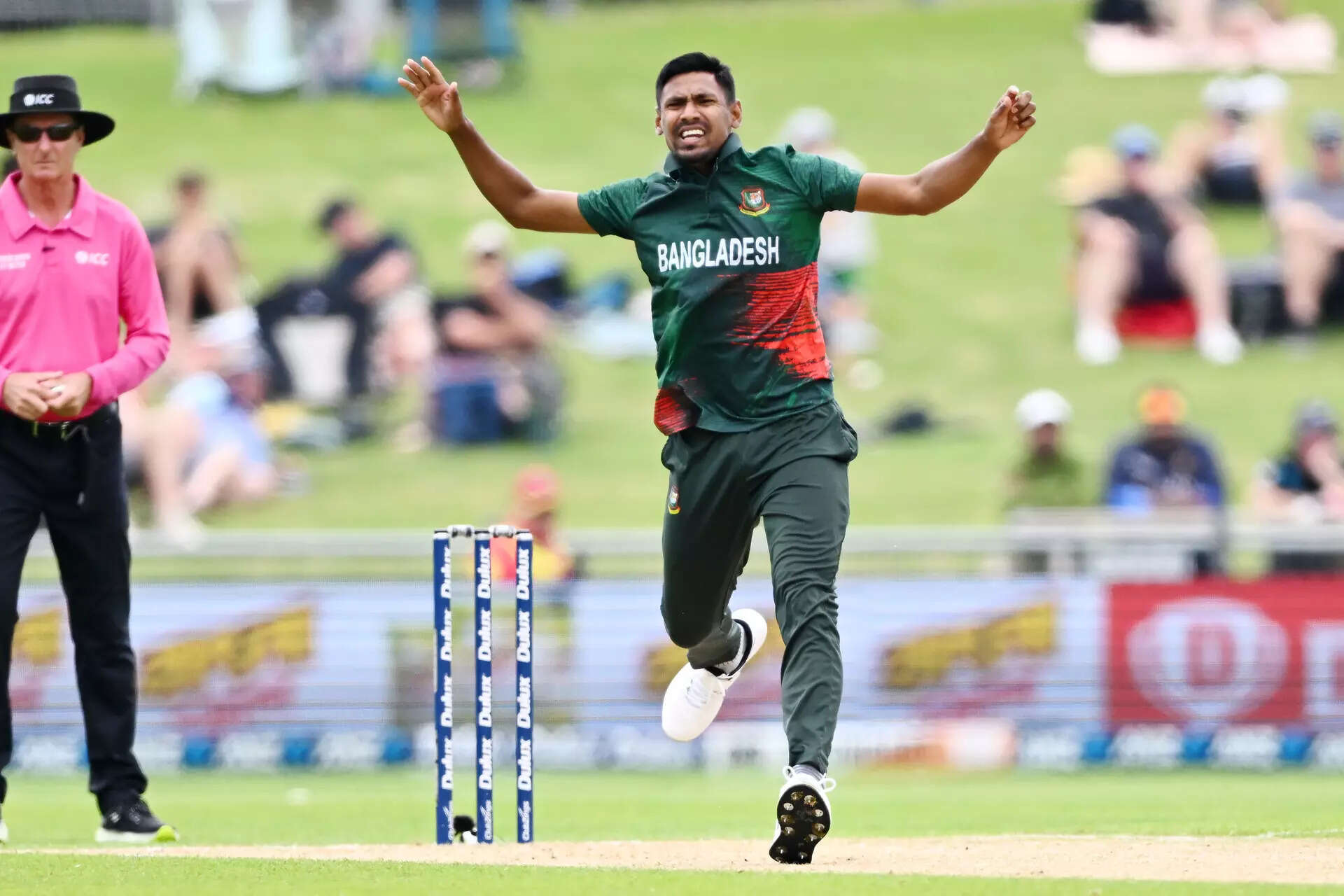
In a related development, Mustafizur Rahman, the left-arm fast bowler known as the "Bangla Tiger," was released by Chennai Super Kings ahead of the IPL 2026 auction, reportedly linked to the same India-Bangladesh strains. Former Bangladesh captain Mohammad Ashraful provided reassurance on the matter, stating that Mustafizur remains "completely chill" and unfazed by the controversy. Speaking to media outlets, Ashraful emphasized the pacers focus on domestic commitments, noting his impressive performance in the ongoing Bangladesh Premier League (BPL).
Mustafizur starred in Rangpur Riders' recent victory, taking crucial wickets and demonstrating his form despite the IPL setback. "He is not thinking about it at all. He is completely focused on BPL," Ashraful revealed, quelling speculation about the player's mental state amid the geopolitical backdrop.
Context of Bangladesh-India Relations
Bangladesh and India share a complex relationship rooted in history, geography, and mutual interests. India played a pivotal role in Bangladesh's 1971 independence war against Pakistan, fostering early goodwill. However, ties have fluctuated over issues like water-sharing disputes (e.g., the Teesta River), border management, and migration. Bilateral trade remains robust, with India as Bangladesh's second-largest trading partner, valued at over $16 billion annually as of recent figures.
Tensions escalated significantly following Bangladesh's political crisis in August 2024, when Prime Minister Sheikh Hasina resigned amid mass protests and fled to India. Her ouster led to an interim government under Nobel laureate Muhammad Yunus, which has pursued policies perceived by New Delhi as diverging from traditional alignment. Reports of violence against minorities, particularly Hindus, in Bangladesh raised alarms in India, prompting accusations of inadequate protection. India has expressed concerns over rising Islamist influences and anti-India rhetoric in Bangladeshi politics.
Border skirmishes and trade frictions have persisted into 2025 and early 2026. Bangladesh's growing ties with China, including infrastructure projects under the Belt and Road Initiative, have added to India's strategic apprehensions in the Bay of Bengal region. These dynamics have cascaded into cultural and sports domains, where cricket serves as a soft-power arena in South Asia.
The IPL, a multi-billion-dollar tournament drawing global talent, has long featured Bangladeshi stars like Mustafizur, Shakib Al Hasan, and Litton Das. However, the 2026 edition appears to be the first casualty of the chill, with no Bangladeshi players retained amid unofficial advisories. The BCB's ICC request marks a formal escalation, potentially affecting scheduling logistics for the World Cup, which India and Sri Lanka won the rights to host in 2021.
ICC officials have yet to respond publicly, but precedents exist: geopolitical issues have influenced past events, such as Pakistan's matches being shifted during the 2023 ODI World Cup in India due to security protocols.
Broader Geopolitical Implications for South Asia
Bangladesh's interim government faces mounting internal challenges, including delayed elections originally slated for late 2025, economic pressures from inflation, and refugee strains from Myanmar's Rohingya crisis. Externally, Dhaka is navigating a multipolar landscape, balancing relations with India, China, and the United States, which has ramped up democracy aid.
In the cricket context, the BCB's stance prioritizes player safety, echoing similar concerns raised by other nations. Ashraful's comments suggest resilience within the team, with Mustafizur's BPL exploits—including a match-winning spell for Rangpur Riders—keeping morale high. Bangladesh remains a competitive T20 side, having reached semifinals in recent editions.
As the ICC deliberates, this episode underscores how sports can mirror – and amplify – geopolitical fault lines. Relocation could mean neutral venues like Sri Lanka or the UAE, but it risks logistical costs and fan backlash in a cricket-mad region.
Analysts view the developments as a litmus test for thawing relations. While no immediate diplomatic breakthroughs are reported, ongoing backchannel talks on trade and borders could influence outcomes before the World Cup. For now, Bangladesh's cricketers, led by figures like the unflappable Mustafizur, continue to compete, embodying national grit amid uncertainty.
(Word count: 712)