
Bahrain's Resilience Tested: The Human Stories Behind the Strikes
The Immediate Impact on Bahraini Civilians
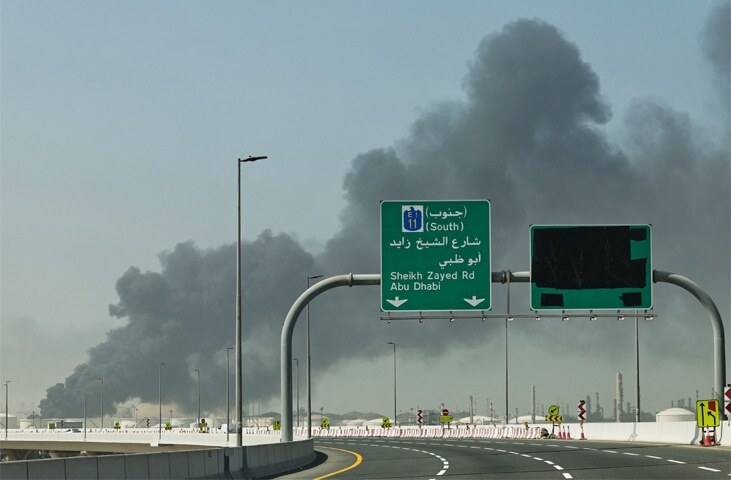
Eyewitnesses in Manama's Juffair district, home to expatriates and locals alike, described chaos as an Iranian drone slammed into a 20-story apartment block late last week. "The building shook like an earthquake; glass rained down everywhere," recounted Ahmed Al-Khalifa, a 45-year-old engineer living two blocks away, in a video posted to X (formerly Twitter). His family huddled in a stairwell for hours, emerging to find neighbors' homes pierced by shrapnel.
Psychological scars run deep. Dr. Fatima Hassan, a local psychologist, notes a surge in anxiety disorders: "People are reliving the 2011 unrest, but now with drones overhead. Sleep is elusive; children ask when the sky will attack again." Confirmed reports from Bahraini health officials tally minor injuries – 12 civilians treated for cuts and shock – but unconfirmed social media videos show structural damage to at least three buildings. Community solidarity has flared: impromptu vigils light up strike zones, with residents pooling food and water.
Historical Context: Bahrain's Strategic Significance
Bahrain's plight echoes its long-standing role as a Gulf fulcrum. Hosting the U.S. Navy's Fifth Fleet since 1948, it has been a linchpin for American operations, drawing Iranian ire amid proxy conflicts. The kingdom's 2011 Arab Spring uprising, quelled with Saudi aid, heightened its vulnerability.
Current strikes connect directly to this legacy. On February 26, 2026, the U.S. Navy preemptively reduced staffing at its Bahrain base ahead of anticipated Iranian retaliation, signaling intelligence on escalating threats. This mirrors past strategies, like the 1980s tanker wars, where Bahrain's position invited fire. Pakistan's call for restraint, per Dawn, underscores regional fears of broader conflagration tied to Bahrain's alliances.
Community Responses and Resilience
Bahrainis are rallying with grit. The Bahrain Red Crescent Society has mobilized 200 volunteers, distributing aid kits to 500 affected families. Community leader Mariam Saleh organized a "Neighborhood Watch" via WhatsApp groups, coordinating evacuations and mental health check-ins. "We've faced worse; unity is our shield," she told local media.
On X, resilience trends: @BahrainVoices tweeted, "Drone hit our block, but neighbors shared iftar tonight. #BahrainStrong" (12K likes). Expat forums buzz with stories of Shia-Sunni barbecues in damaged lots, bridging divides amid crisis.
Looking Ahead: What This Means for Bahrain's Future
These strikes could spur a militarized pivot. Bahrain's government, already fortifying Manama, may accelerate drone defenses and conscription, reshaping local governance toward security-first policies. International responses loom: U.S. commitments may deepen, but regional partners like Saudi Arabia could push alliance realignments.
The likelihood of further strikes remains high (unconfirmed intelligence suggests Iranian stockpiles), potentially fracturing Bahrain's tourism-driven economy. Yet, resident resilience hints at adaptive futures – stronger civil society, perhaps pressuring for de-escalation diplomacy.
This is a developing story and will be updated as more information becomes available.
(Word count: 606)






