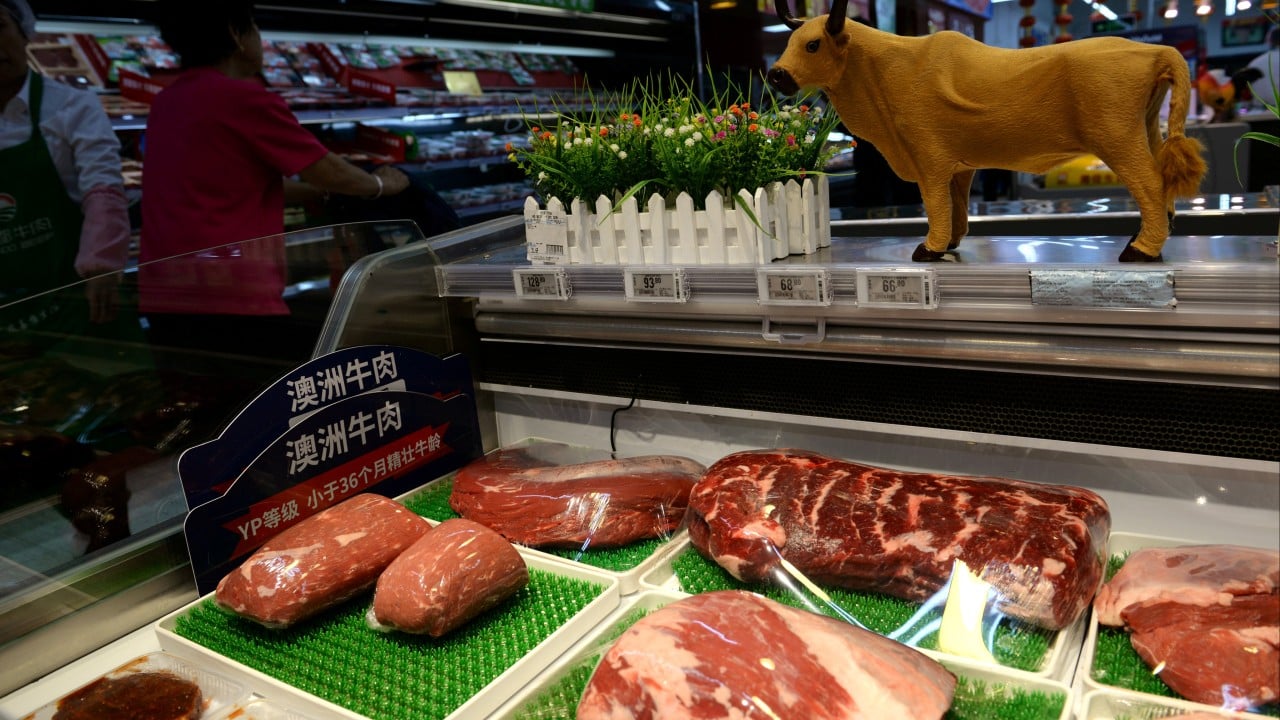

Australia Disappointed by China's New 55% Beef Tariffs
Australia's government has expressed significant disappointment following China's announcement of new beef import tariffs set to affect trade relations between the two nations. The tariffs, which impose a steep 55% duty on certain beef imports, threaten to jeopardize over A$1 billion (approximately US$667 million) in trade, causing alarm among Australian exporters and industry stakeholders.
The tariff decision, announced on January 1, 2026, targets beef imports from several countries, including Australia, Brazil, and the United States, that exceed specific quantity thresholds. The move is part of China's broader efforts to manage its domestic market and protect local producers, and it comes amid ongoing tensions in international trade relations.
Australian Minister for Trade, Don Farrell, articulated the government's concerns, stating that the new tariffs could have "serious implications for our beef industry." He emphasized the importance of the Chinese market for Australian beef exports, which have been a critical component of Australia's agricultural sector. The imposition of these tariffs is particularly troubling given Australia's reliance on China as a major trading partner.
Industry groups, including the Australian Meat Industry Council, have voiced their apprehension regarding the potential impact of these tariffs. They warn that the increased costs could inhibit Australia's competitive position in the Chinese market, which is one of the largest importers of beef globally. The council's president, Patrick Hutchinson, described the tariffs as "a significant blow" and called on the Australian government to respond proactively to protect the interests of local beef producers.
In addition to the tariffs, China has indicated it will suspend part of a free-trade agreement with Australia, further complicating trade relations. This suspension raises concerns about the future of Australian exports to China, which has been a key market for Australian agricultural goods.
Background
The relationship between Australia and China has been complex and often fraught with challenges in recent years. Although China has been a major trading partner, tensions have escalated over various issues, including political disagreements and concerns about trade practices. In 2020, Australia called for an independent inquiry into the origins of COVID-19, a move that was met with significant backlash from Beijing, resulting in a series of trade restrictions on Australian products such as wine, barley, and coal.
The agriculture sector has been a particular focal point in the trade disputes, with tariffs and import bans imposed by China affecting various Australian commodities. The latest beef tariffs are seen as a continuation of this trend, raising questions about the sustainability of Australia's agricultural exports to China moving forward.
Conclusion
As Australia grapples with the implications of China's new beef tariffs, the government faces the challenge of safeguarding its agricultural interests while navigating a complex geopolitical landscape. The potential loss of access to the lucrative Chinese market underscores the importance of diversifying trade relationships and seeking new opportunities for Australian beef exports in alternative markets. The coming weeks will be crucial as industry stakeholders and government officials work to assess the full impact of these tariffs and formulate strategies to mitigate their effects.






