
ASEAN to Evaluate Myanmar's Political Situation Amid Ongoing Turmoil
In a significant geopolitical development, Malaysian Prime Minister Anwar Ibrahim announced that the Association of Southeast Asian Nations (ASEAN) will assess the political landscape in Myanmar following the recent phase of elections, amidst concerns over the legitimacy of the military-led government. Anwar's remarks come in light of ongoing civil unrest and the enduring impacts of the coup that ousted the civilian government in February 2021.
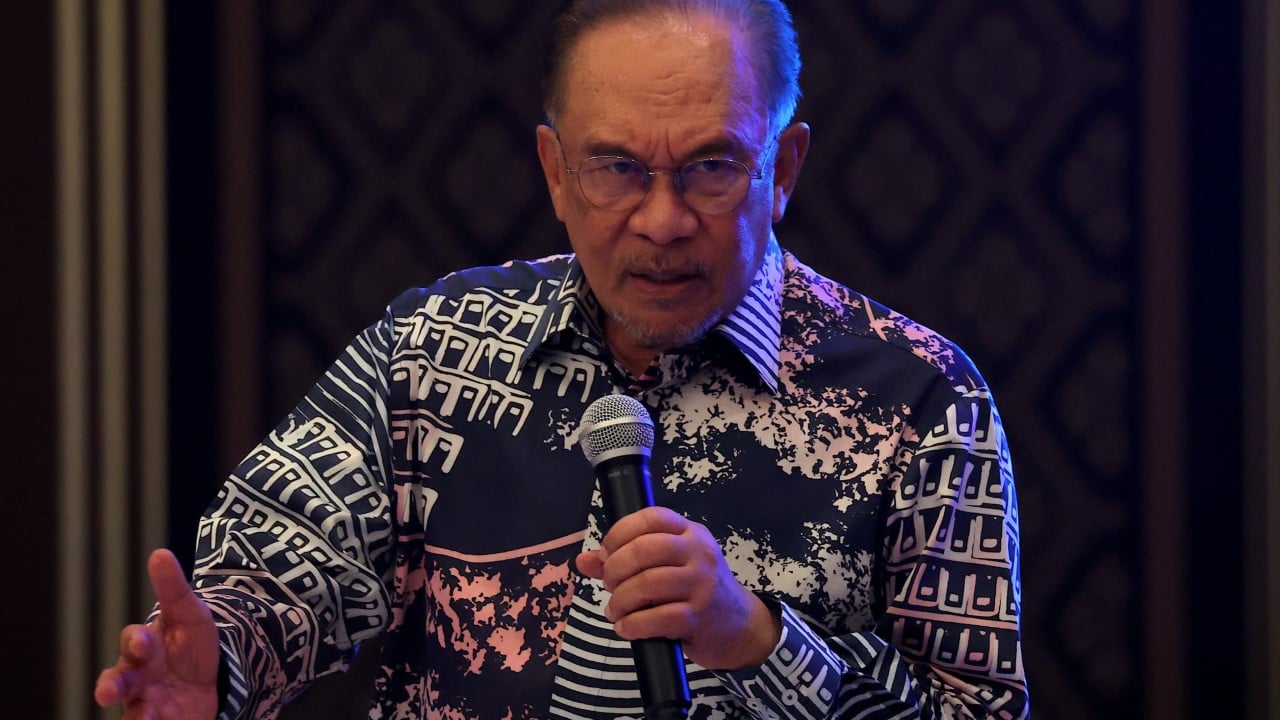
During a press conference on December 30, 2025, Anwar expressed caution regarding the electoral process, indicating that ASEAN must be deliberate in its actions to avoid conferring "premature legitimacy" to any party emerging from the polls. This comment reflects broader apprehensions among regional leaders and international observers about the electoral framework established by Myanmar's military junta, which many view as a mechanism to solidify its grip on power rather than a genuine step towards democracy.
The elections in Myanmar, which have been dubbed "premature" by critics, saw the military-backed Union Solidarity and Development Party (USDP) claiming a sweeping victory. However, numerous democracy watchdogs have raised alarms, asserting that the junta-run elections are unlikely to represent the will of the people and will only serve to entrench military authority further. Since the coup, Myanmar has been engulfed in civil strife, with various resistance groups rising up against the military regime, leading to a protracted conflict that has resulted in significant humanitarian crises.
The ASEAN meeting, as proposed by Anwar, aims to evaluate the situation holistically, taking into account various factors including ongoing civil unrest, humanitarian needs, and the challenges posed by the military's governance. The regional bloc has faced criticism in the past for its perceived inaction in responding to the crisis in Myanmar, and this assessment could determine how ASEAN moves forward in addressing the situation.
Background on the conflict is critical to understanding the current dynamics. The military's seizure of power in February 2021 was met with widespread protests and civil disobedience, which the junta has responded to with severe crackdowns. The ensuing civil war has led to thousands of deaths and the displacement of millions, creating a dire humanitarian situation that continues to worsen.
Anwar’s comments signal a potential shift in ASEAN's approach, emphasizing the need for a thoughtful and measured response to the complexities of Myanmar's political crisis. The regional bloc has historically adhered to a principle of non-interference in the internal affairs of member states, yet the scale of the humanitarian and political fallout in Myanmar may compel ASEAN to reconsider its stance.
As the situation evolves, the international community will be closely watching ASEAN's actions and decisions regarding Myanmar. The upcoming assessment could lead to increased diplomatic pressure on the military government and potentially pave the way for a more coordinated regional response.
In conclusion, the recent developments in Myanmar underscore the intricate balance ASEAN must maintain in addressing member states' internal conflicts while upholding regional stability. Anwar Ibrahim's commitment to a cautious evaluation of the situation reflects a growing recognition that the ongoing crisis in Myanmar requires sustained attention and a reevaluation of diplomatic strategies moving forward.






