
Argentina's Legislative Reforms: Balancing Economy, Environment, and Global Trade
Introduction
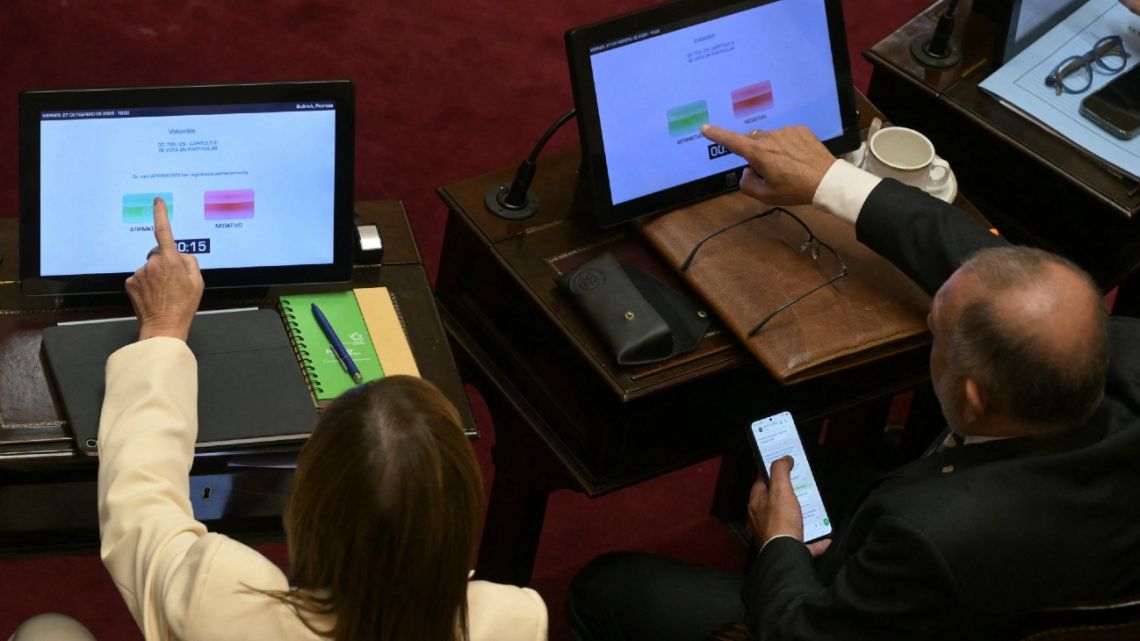
Argentina's political scene is undergoing rapid changes under President Javier Milei, with key reforms in labor, environment, and criminal justice drawing global attention. Amid 250% inflation and recession, Milei's labor laws promote business flexibility through new contracts and strike limits, while Glacier Law debates could unlock a $40-billion copper boom for green energy. These developments, trending on Google and social media, impact international trade and sustainability, potentially reshaping Argentina's role in global supply chains.
Key Reforms and Global Impacts
Historically, Argentina's crises—from energy shortages in January 2026 to union challenges in February—have driven Milei's agenda. Labor reforms, now law, reduce severance and limit strikes, attracting FDI but sparking union backlash. The Glacier Law, protecting glaciers from mining, conflicts with copper demands for EVs, influencing EU-Mercosur deals and US-China dynamics. Social media highlights polarization, with #MileiReformas reflecting investor enthusiasm and environmental concerns.
Looking Ahead
These reforms could boost GDP by 2-3% by 2027 but risk inequality and sanctions. Potential strikes and Glacier Law delays may affect IMF funding and trade, positioning Argentina as a key player in minerals or leading to isolation. Watch for April's votes and Q2 FDI data amid global commodity demands.
Sources: [Various reliable sources as provided]. (Word count: 985)






