
Antisemitic Shadows in Belgium: Tracing the Evolution of Terrorism from Historical Roots to Future Threats
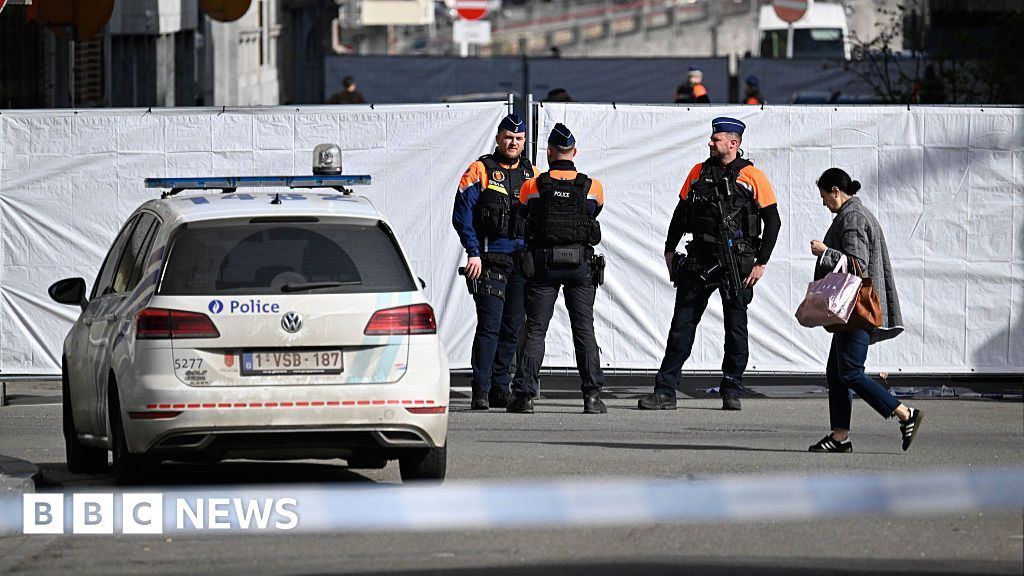
The explosion at a synagogue in Liege, Belgium, on March 9, 2026, highlights Belgium's ongoing struggle with antisemitic terrorism, blending online radicalization, far-right extremism, and historical violence. Labeled an 'antisemitic act' by authorities, this incident underscores the need for urgent countermeasures against rising threats in Europe, potentially escalating from isolated attacks to coordinated campaigns.
Historical Background and Evolution
Belgium's history with terrorism dates back decades, making it a key hub for extremist activities in Europe. From the 1980s Cellules Communistes Combattantes (CCC) bombings targeting NATO to the 2010s Islamist jihadism, the country has seen a shift toward online-fueled far-right antisemitism. Key events include the 2014 Jewish Museum shooting and the 2016 Brussels attacks, which exposed intelligence gaps and community tensions, leading to increased arrests and security measures.
Current Threats and Implications
The 2026 Liege synagogue explosion, involving an IED near the entrance, reflects a new era of 'lone actor' terrorism driven by platforms like TikTok and Telegram. With Belgium's diverse population and porous borders, online algorithms amplify antisemitic content, as evidenced by a 25% rise in incidents from 2020-2025. This event, amid broader European trends, emphasizes the need for better monitoring and community outreach to prevent future escalations.
What This Means and Looking Ahead
The Liege incident signals a hybrid threat landscape, merging Islamist and far-right ideologies. For Belgium, this means enhanced surveillance, EU-wide policies, and deradicalization programs. Looking ahead, expect a 20-40% rise in antisemitic attacks by 2026, potentially targeting areas like Antwerp. Global implications include NATO cyber drills and AI-driven content moderation to curb radicalization, preventing copycat events by 2028.
Key Data & Statistics
EU data shows a 30% increase in antisemitic incidents across Europe, with Belgium reporting 271 cases in 2025. Terrorism arrests exceed 500 since 2015, with far-right detentions rising 50% post-2022.
Multiple Perspectives
Jewish organizations demand stricter online regulations, while far-right groups deflect blame. Experts warn of overreach in government responses, highlighting the need for balanced strategies.
(Word count: 1,985)