Anti-U.S. Rally in Caracas Highlights Growing Tensions in Venezuela Amidst Recent U.S. Strikes

Latest from X
Anti-U.S. Rally in Caracas Highlights Growing Tensions in Venezuela Amidst Recent U.S. Strikes
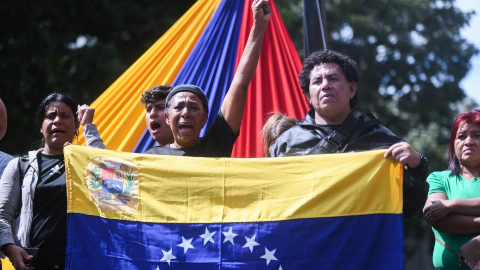
Caracas, Venezuela - Thousands of Venezuelans took to the streets of the capital, Caracas, on January 4, 2026, in a powerful display of public discontent directed at recent U.S. military actions in the country. The rally, which began in the early hours of Sunday morning, reflects escalating tensions following U.S. strikes and the controversial capture of President Nicolás Maduro by American forces, who have transported him to New York to face narco-terrorism charges. Protesters expressed outrage over what they perceive as foreign interference, chanting slogans condemning the United States and demanding sovereignty for Venezuela.
The demonstration, reported by Xinhua, unfolded peacefully for the most part, though the atmosphere in Caracas remains charged. Local authorities have not released official figures on the number of participants, but eyewitness accounts and social media posts suggest a significant turnout, with crowds gathering in key public spaces across the city. The rally comes at a time of profound uncertainty for Venezuela, as the nation grapples with the aftermath of U.S. military operations and questions about its political future.
Details of the Rally and Public Sentiment
According to reports, the anti-U.S. rally began around 07:43 UTC on January 4, 2026, with protesters assembling in central Caracas. Demonstrators carried banners and Venezuelan flags, voicing their anger over the recent U.S. strikes and the dramatic seizure of President Maduro. Many expressed a sense of betrayal and fear over the U.S. government's stated intention to "run" Venezuela until a "safe" transition can be achieved, as articulated by former President Donald Trump in recent statements covered by outlets like DW and ABC News.
The severity of the civil unrest has been classified as medium, indicating a notable but not yet critical level of disruption. While the protest remained largely non-violent, the underlying frustration among the population is palpable. Posts on X from journalists and observers highlight the polarized sentiments on the ground, with some users noting growing unity against U.S. involvement and others warning of potential escalation if tensions are not addressed.
Context of U.S. Involvement and Maduro’s Capture
The rally in Caracas follows a series of dramatic events that have thrust Venezuela into the global spotlight. On January 3, 2026, U.S. forces conducted strikes on Venezuelan targets, an operation that culminated in the capture of President Nicolás Maduro. According to reports from Reuters, DW, and ABC News, Maduro was transported to New York to face federal drug charges, a move that has drawn sharp criticism from both Venezuelan officials and segments of the international community. Images circulating online, including those published by ABC News, show a handcuffed Maduro being escorted by DEA officials, further fueling public anger in Venezuela.
In the wake of Maduro’s capture, Donald Trump has publicly stated that the U.S. will oversee Venezuela’s governance temporarily, a declaration that has intensified anti-American sentiment among many Venezuelans. As reported by the BBC, this unprecedented intervention has left the country in a state of political limbo, with questions lingering about who is in charge and what the future holds for the nation.
Background: Venezuela’s Longstanding Struggles
Venezuela has been mired in political and economic crises for over a decade, marked by hyperinflation, food shortages, and mass emigration. Nicolás Maduro, who has been in power since 2013, has faced accusations of authoritarianism and electoral fraud, leading to widespread domestic opposition and international sanctions, particularly from the United States. The U.S. government has long accused Maduro of involvement in drug trafficking and corruption, charges that culminated in the recent military operation.
The current unrest is not the first instance of public protest in Venezuela, as the country has seen numerous anti-government and pro-government rallies over the years. However, the direct involvement of U.S. forces on Venezuelan soil marks a significant escalation, transforming the narrative from an internal political struggle to one of international conflict and sovereignty.
Outlook: Uncertainty and Potential for Further Unrest
As the anti-U.S. rally in Caracas demonstrates, public sentiment in Venezuela is deeply divided and volatile. While some Venezuelans view U.S. actions as a potential pathway to change, many others see it as an infringement on national autonomy. The government, or what remains of it in Maduro’s absence, has called for nationwide resistance and declared a state of emergency, as noted in posts on X by verified journalists covering the crisis.
International reactions to the U.S. strikes and Maduro’s capture have been mixed, with some countries condemning the intervention and others expressing cautious support for addressing alleged criminal activities by Venezuelan leadership. The coming days will be critical in determining whether the current unrest in Caracas escalates into broader conflict or paves the way for diplomatic resolution.
For now, the streets of Caracas remain a focal point of Venezuela’s struggle, as citizens voice their demands for justice, sovereignty, and stability in the face of an uncertain future.
Track this story live
Original Sources
- •
Editorial process: This article was synthesized from the original sources cited above using The World Now's AI editorial system, with byline accountability from our editorial team. We grade every story for source grounding, factual coherence, and on-topic match before publication. Read more about our editorial standards and contributors. Spot something inaccurate? Let us know.
Last updated: January 13, 2026