
Anti-Government Protests Escalate in Iran as Trump Issues Warnings and Signs Symbolic Hat
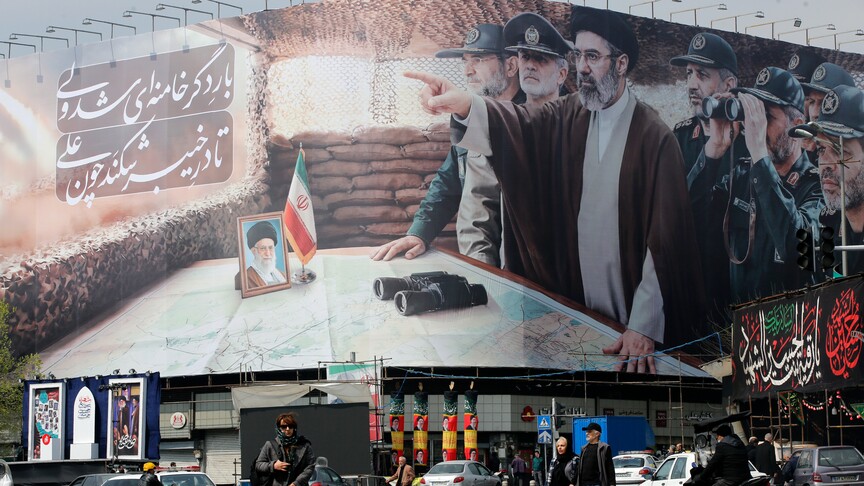
TEHRAN — Anti-government protests have entered their ninth day across Iran, prompting U.S. President Donald Trump to issue fresh warnings against Tehran’s crackdowns and fueling fears among Iranian officials of potential American intervention, according to multiple reports.
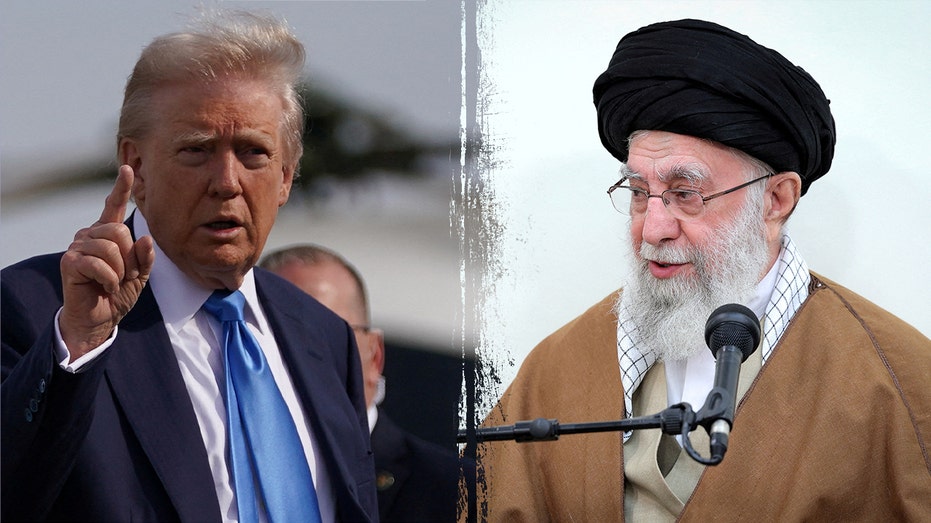
The unrest, which began late last month, has seen demonstrators clash with security forces in cities nationwide, resulting in deadly violence. Trump, in a statement highlighted by Fox News, cautioned Iran of "consequences" for its handling of the protests, a message praised by Iranian Americans who view it as vital support for the demonstrators. The protests coincide with broader regional tensions, including recent U.S. actions in Venezuela, where American forces seized control from leader Nicolás Maduro, stoking anxieties in Tehran about becoming the next target.
Iranian leaders are reportedly in "survival mode," convening emergency meetings to address the spiraling dissent amid economic hardships and internal pressures. Officials are adopting a dual strategy of dialogue and restrained security measures to quell the unrest with minimal violence, as detailed by the Times of India.
Protests Spread Amid Economic Woes and Crackdowns
The demonstrations, now spanning multiple cities, stem from long-standing grievances over economic stagnation, inflation, and government policies. Fox News reported that the protests have engulfed the country for nine days as of January 5, 2026, with security forces accused of lethal responses. Iranian Americans interviewed by the outlet expressed gratitude for Trump's vocal backing, seeing it as a morale boost for protesters risking their lives.
President Trump's engagement with the issue extended beyond rhetoric. On January 5, he was photographed signing a "Make Iran Great Again" hat alongside Senator Lindsey Graham (R-S.C.), a playful yet pointed gesture amid the chaos, per Fox News. The image, shared widely on social media, underscored Trump's administration's hawkish stance toward Iran.
Channel News Asia noted that Iran's leadership is struggling to contain the protests, complicated by Trump's interventionist threats. The recent U.S. operation in Venezuela—where American forces ousted Maduro—has deepened fears in Tehran of similar "regime change" tactics. Iranian officials are wary that external pressures could exacerbate domestic instability.
Iranian Response: Balancing Force and Dialogue
In response, Iranian authorities held an emergency session to strategize, emphasizing de-escalation. The Times of India quoted sources describing the nation as operating in "survival mode" following U.S. threats and prior military strikes. Economic woes, including sanctions-bite inflation and currency devaluation, have fueled public anger, providing fertile ground for the protests.
Government efforts include outreach for dialogue alongside security deployments, aiming to avoid the levels of violence seen in past unrest. This approach reflects lessons from previous episodes, where heavy-handed tactics drew international condemnation.
Background: A History of Unrest
Iran has a long history of civil protests challenging the Islamic Republic's authority. The 2022 demonstrations following the death of Mahsa Amini in custody marked one of the largest waves, lasting months and resulting in hundreds of deaths according to human rights groups. Economic protests in 2019 also saw violent suppressions, killing over 300 per Amnesty International estimates.
The current unrest occurs against a backdrop of renewed U.S. pressure under Trump's second term, which began in January 2025. Trump's "maximum pressure" campaign during his first presidency (2017-2021) included withdrawing from the 2015 nuclear deal (JCPOA) and imposing crippling sanctions. Recent escalations, including alleged U.S. strikes on Iranian assets, heighten tensions.
Regionally, the Venezuela precedent looms large. U.S. intervention there, framed as supporting democratic forces against Maduro's regime, has emboldened protesters in Iran while alarming its leadership. Iran's alliances with Russia and proxy groups like Hezbollah add layers of geopolitical complexity.
Outlook: Tensions Mount
As protests persist, the Iranian government faces a delicate balancing act: suppressing dissent without provoking broader international backlash or U.S. military action. Trump's warnings and symbolic gestures signal strong American interest, potentially galvanizing demonstrators but also risking escalation.
Iranian officials' fears of attack underscore the high stakes. With economic pressures unrelenting—oil prices volatile and sanctions intact—the unrest could prolong, testing Tehran's resilience. International observers, including the United Nations, have yet to issue formal statements, but human rights advocates are monitoring crackdown casualties closely.
The situation remains fluid, with no immediate resolution in sight. Protesters demand reforms, while the regime prioritizes stability amid external threats.
(Word count: 612)