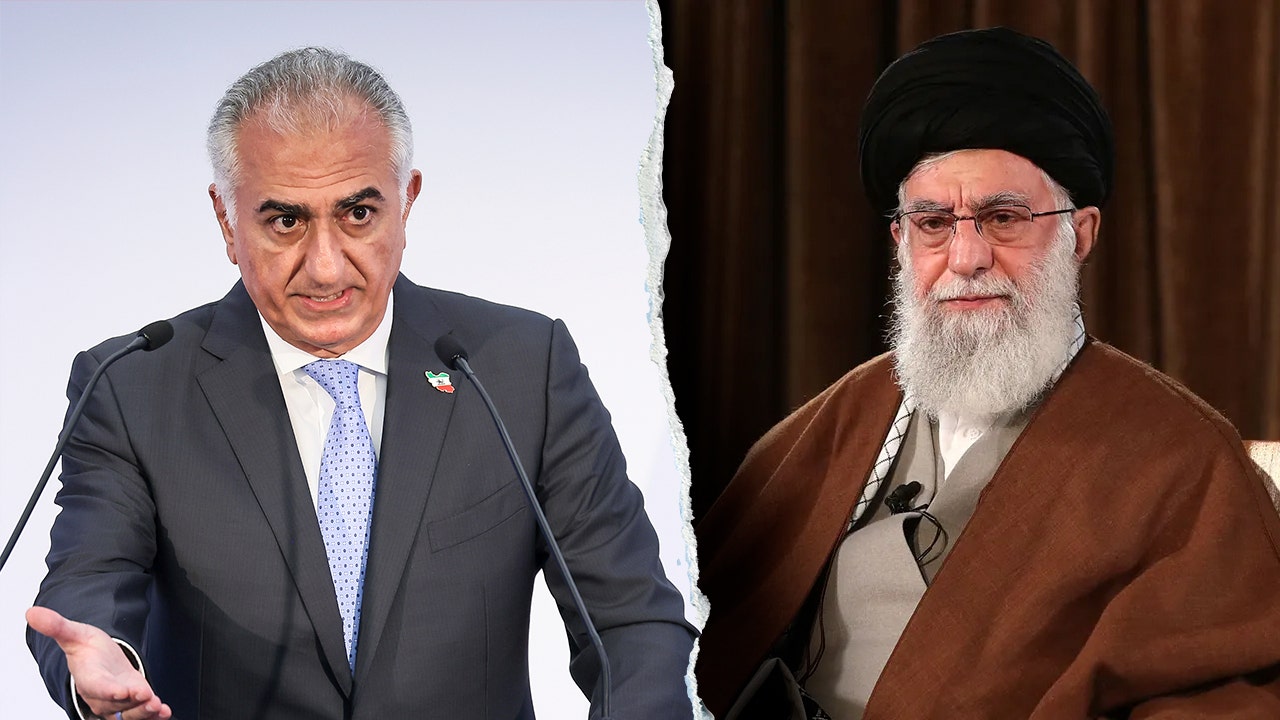
A New Kind of Protest: The Role of Technology in Iran's Civil Unrest

Latest from X
A New Kind of Protest: The Role of Technology in Iran's Civil Unrest
The Rise of Digital Activism in Iran
Iran's ongoing protests, erupting on January 1, 2026, against Supreme Leader Ali Khamenei, have marked a new era of digital resilience. Social media platforms like X (formerly Twitter), Instagram, and WhatsApp have become central hubs for organizing demonstrations, sharing real-time footage, and amplifying voices amid crackdowns. Protesters use VPNs and decentralized apps to bypass blocks, turning smartphones into tools of defiance. A striking case occurred on January 7, when demonstrators in Tehran renamed a street after U.S. President Donald Trump, with videos going viral on X despite throttling. Posts on X describe how these tools have thwarted censorship, allowing global visibility—such as clips of a student shot at close range on January 9, buried roadside, which evaded state media blackouts and garnered international outrage.
Historical Context: Patterns of Resistance
These events echo Iran's history of tech-fueled unrest, from the 2018-2019 protests where Telegram and Instagram blocks failed to silence crowds, to the 2022 Mahsa Amini uprising. The 2026 timeline underscores continuity: Protests ignited January 1 over economic woes; by January 4, 16 deaths were reported; January 9 saw escalation. Regime tactics remain similar—internet shutdowns, as in 2019 fuel protests—but differ in scale, with near-total blackouts confirmed by NetBlocks data on January 8 in provinces like Kermanshah. Yet, protesters' tech adaptations, like satellite internet rumors, highlight evolving resistance against authoritarianism.
The Government's Technological Countermeasures
Facing existential threats, Iran's regime has deployed advanced tools: AI-driven surveillance, facial recognition, and IPv6-targeted mobile shutdowns, per reports. Newsmax detailed these on January 13, including misinformation bots flooding platforms. Eyewitnesses, quoted in Times of India, recount "shoot-to-kill" brutality—live fire on crowds—and a "digital iron curtain" isolating protesters. A doctor told Fox News of systematic shootings, while X posts note regime fears of organized opposition, blocking X and WhatsApp to mimic North Korea's firewall. These measures have caused zero connectivity in hotspots, yet leaks persist via smuggled footage.
International Response and Future Implications
U.S. reactions intensified: Trump canceled Iranian meetings, warned of "very strong action" against hangings, and his envoy met exiled Prince Reza Pahlavi (Fox News). Senators Ted Cruz urged protesters they "can change the world" (Newsmax). Allies echo support, potentially pressuring via sanctions. As technology evolves, protesters may adopt Starlink-like tools, while the regime advances jamming. This cat-and-mouse could escalate violence or force concessions, leading to regime fracture or brutal consolidation—resolution hinges on digital frontlines.
Word count: 598
Track this story live
Original Sources
- •
- •
- •
- •
- •
- •
- •
- •
- •
- •
Editorial process: This article was synthesized from the original sources cited above using The World Now's AI editorial system, with byline accountability from our editorial team. We grade every story for source grounding, factual coherence, and on-topic match before publication. Read more about our editorial standards and contributors. Spot something inaccurate? Let us know.
Last updated: February 15, 2026






