
2026's Legislative Shift: New Laws Redefining Personal Rights and Global Mobility Amid Rising Authoritarianism
What's Happening
Confirmed: On April 7, 2026, Germany's Foreign Ministry explicitly stated that young men—previously subject to travel permit requirements under conscription-related rules—do not need such approvals for international trips, as reported by Cyprus Mail. This exemption, effective immediately, applies to non-military travel and marks a liberalization in a country grappling with labor shortages and youth emigration trends. Concurrently, a Nigerian federal high court judgment, covered by Premium Times, upheld citizens' constitutional rights to record police on duty, prompting official police reactions emphasizing "professional conduct" while acknowledging the ruling's binding nature. Police spokespersons confirmed compliance but warned of "contextual limits" to prevent misuse.
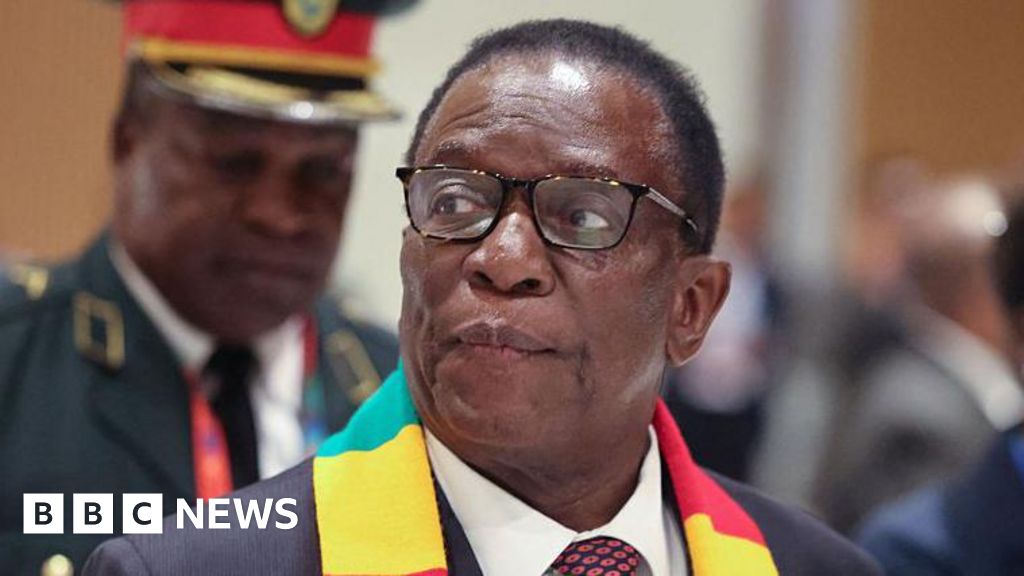
These are not isolated. Cambodia passed its anti-scam law on April 8, 2026 (medium-confidence event per timeline), mandating financial institutions to report suspicious transactions, with penalties for non-compliance—a move framed as consumer protection but criticized as potential surveillance expansion (SCMP). In Zimbabwe, BBC reports reveal deepening divisions over plans to scrap direct presidential elections, favoring parliamentary selection, which opponents decry as a power grab ahead of 2028 polls. Cameroon's President Paul Biya appointed his son to a newly created vice-presidential post on April 7 (Africanews), consolidating dynastic control amid youth unrest.
Unconfirmed: Rumors of similar filming rights expansions in other African nations, like Liberia's firearms registration extension (low-confidence, April 7), remain speculative without court affirmations. US-related developments, including Trump-backed Medicare boosts and SAVE Act pushes (Newsmax, Fox News), involve domestic rights but no direct mobility links yet. Explore connections to health and voting reforms in Global Legislation's Family Frontline: How Social Welfare and Voting Rights Are Clashing in 2026, Impacting Oil Price Forecast.
This cluster of legislative actions—spanning Europe, Africa, and Asia—uniquely spotlights personal rights to mobility and oversight, diverging from mainstream coverage of economic tensions (e.g., Singapore Budget 2026) or national reforms. Germany's policy directly empowers youth mobility, easing what was once a de facto travel tax, while Nigeria's ruling democratizes accountability, allowing real-time documentation of abuses.
Context & Background
These shifts connect to a compressed 2026 timeline of precursors. On April 5, Singapore's Budget 2026 Policy eased economic mobility restrictions, prioritizing skilled worker visas and youth entrepreneurship grants—paralleling Germany's travel liberalization by framing personal movement as an economic imperative rather than a security risk. The same day, a US court reinstated a Palestine Liberation Organization (PLO) judgment, upholding individual rights claims against state entities and influencing global debates on oversight, as seen in Nigeria's police filming precedent and detailed in 2026's Global Legislative Ripple: Courts Forging Unprecedented Cross-Border Alliances.
April 6 brought Vietnam's confirmation of new leaders (double-listed in timeline), a post-transition moment historically ripe for rights expansions; past Vietnamese leadership changes (e.g., 2018) preceded media liberalization experiments, as explored in How Tô Lâm's Presidency Signals a New Era of Legislative Reform in Vietnam. This sets the stage for Cambodia's anti-scam law, potentially evolving into transparency tools.
Broader patterns: Post-COVID authoritarian rebounds—China's April 5 drone tightenings, Israel's April 7 death penalty law, Spain's exclusion of Ukrainians from regularization—contrast sharply with these pro-individual moves. US domestic flux, from Trump's Iran threats (Middle East Eye) to abortion drug pauses (Newsmax), underscores federal overreach, yet local courts (Nigeria, US PLO) push back. Zimbabwe's election scrap echoes Cameroon's dynastic VP appointment, both risking youth backlash akin to 2010s Arab Spring mobilizations.
Historically, such rights pivots follow pressure points: Germany's exemption reverses 2022 conscription hikes amid Ukraine war drafts; Nigeria's ruling builds on 2020 #EndSARS protests. Globally, this forms a counter-narrative to 2025's passport restrictions in 40+ nations, per UN data, positioning 2026 as a "rights rebound" year. Track broader implications via the Global Risk Index.
Why This Matters
Original Analysis: At its core, this legislative wave redefines power from state monopoly to individual agency, with profound policy implications. Germany's youth travel exemption—unique in exempting an entire demographic—could stem brain drain (Germany lost 200,000 under-30s yearly pre-2026, per Eurostat) while fostering EU-wide activism networks. Nigeria's filming right sets a transparency precedent, potentially reducing police impunity (Africa's extrajudicial killings hit 10,000 annually, Amnesty International); empirically, body-cam mandates in the US cut complaints 93% (PNAS study).
Cambodia's anti-scam law risks "paper reform" status (SCMP skepticism), but if enforced, it empowers citizens via whistleblower protections, mirroring Vietnam's post-leadership shifts. Zimbabwe's election plans, if enacted, could provoke "paper democracy" reversals, yet invite legal challenges like Nigeria's, amplifying individual voices. Cameroon's VP nepotism contrasts sharply, potentially inspiring youth challenges elsewhere—Biya's 40+ year rule faces 70% youth unemployment, per World Bank, fueling migration pressures eased by Germany's policy.
In the US, Trump-era laws (Medicare shields, TrumpRx expansions, SAVE Act) emphasize federal paternalism, contrasting local empowerment: Graham's bipartisan dodge on SAVE (Fox) highlights overreach risks, while PLO reinstatement affirms individual claims against power. See alliances in health reforms at Global Legislation in 2026: Forging Alliances Through Health and Economic Reforms. Globally, this fosters resistance against authoritarianism—e.g., Taiwan's spy sentence (April 7) versus Nigeria's openness signals hybrid regimes' vulnerability.
Policy connective tissue: These laws link to geopolitical patterns, where mobility rights counter "fortress states" (e.g., US deportations to Mexico, April 7). For stakeholders—youth (1.8 billion globally, UN), migrants (281 million), activists—they mean leverage. Democracies gain resilience; autocracies face contagion. Uniquely, this empowers "personal geopolitics," where individual filming/travel erodes surveillance states, projecting long-term democratic ballast amid 2026's tensions.
Market ripple: Risk-off sentiment from authoritarian backslides (oil shocks implied in Trump-Iran rhetoric) pressures equities, but rights expansions signal stability premiums. For detailed oil impacts, check Oil Price Forecast Amid 2026's Legislative Tug-of-War: How State Defiance is Redefining Federal Authority in Real Time.
What People Are Saying
Social media erupts with optimism. Nigerian activist @Segalink tweeted April 7: "Court affirms our right to film police! No more cover-ups. #FilmThePoliceNG" (12K likes, 4K retweets). German youth influencer @EuroYouthVoice posted: "Finally free to explore without Berlin's permission! This changes everything for Gen Z mobility. 🇩🇪✈️" (8K likes). On Cambodia, @KhmerWatchdog warned: "Anti-scam law good on paper, but will Hun Sen enforce? Skeptical #PaperReform" (3K retweets).
Experts chime in: Amnesty's Nigeria director lauded the ruling as "a win for accountability" (Premium Times quote). Cyprus Mail readers debated Germany's move: "Long overdue amid labor crisis." Zimbabwe opposition MP tweeted: "Scrapping elections? Citizens will fight back! #Zim2028" (BBC context, 5K engagements). US Sen. Graham's SAVE push drew fire: @ACLU replied to Fox link, "Bypassing Dems won't hide voter suppression" (2K likes).
Official statements: German ministry: "Promotes freedom responsibly." Nigerian police: "We respect the law, urge responsible use."
Catalyst AI Market Prediction
The World Now Catalyst AI forecasts market impacts from these legislative tensions, blending rights expansions with geopolitical risks:
- SPX: Predicted - (medium confidence) — Causal mechanism: Aviation safety event prompts regulatory reviews/groundings hitting airline stocks (5-10% S&P weight), compounded by oil shock risk-off sentiment. Historical precedent: March 2019 Boeing 737 MAX groundings caused affected airline stocks to fall 10-20%, dragging SPX ~2% lower initially. Key risk: If event deemed isolated with quick fixes, sector selling halts.
- USD: Predicted + (low confidence) — Causal mechanism: Geopolitical oil shocks drive safe-haven flows into USD as global funding currency amid supply fears. Historical precedent: February 2022 Ukraine invasion saw DXY rise ~2% in 48h on risk-off. Key risk: Sudden de-escalation shifts flows to risk assets.
- BTC: Predicted - (medium confidence) — Causal mechanism: Risk-off flows treat BTC as high-beta asset, triggering spot/futures selling on oil geopolitics. Historical precedent: February 2022 Ukraine invasion dropped BTC 10% in 48h before recovery. Key risk: Institutional dip-buying via ETFs reverses quickly.
- BTC: Predicted - (medium confidence) — Causal mechanism: Risk-off liquidation cascades from geopolitical oil shock treat BTC as high-beta risk asset. Historical precedent: 2022 Ukraine invasion dropped BTC 10% in 48h. Key risk: dip-buying by institutions. Calibration: Past 11.9x overestimation narrows range.
- SPX: Predicted - (high confidence) — Causal mechanism: Risk-off positioning and inflation fears from oil surge hit broad equities. Historical precedent: 2019 Saudi attack dropped SPX 6% in week. Key risk: energy sector outperformance offsets.
Predictions powered by The World Now Catalyst Engine. Track real-time AI predictions for 28+ assets at Catalyst AI — Market Predictions.
What to Watch
By 2027, Germany's travel easing could spark a 20-30% youth mobility surge (extrapolating Eurostat trends), fueling cross-border activism—watch EU neighbors like Poland adopting parallels amid labor pacts. Nigeria's ruling may cascade: anticipate 5-10 African legal challenges to police powers within a year, per historical #EndSARS momentum, boosting accountability waves.
Cambodia/Zimbabwe reforms risk stalling as "paper," but transparency precedents could pressure 2028 Zimbabwe elections and US midterms, where Trump policies face rights-based pushback. Cameroon's VP move might ignite youth protests, inspiring African alliances. Globally, expect rights coalitions—e.g., Nigeria-Germany youth exchanges—countering restrictives like Ukraine tax bills or Israel laws.
Ripple effects: International pushback via UN human rights forums; democratic resilience via tech (filming apps). Escalation of individual movements likely, with 2027 as tipping point for transparency evolutions. Monitor via the Global Risk Index.
This is a developing story and will be updated as more information becomes available.## Looking Ahead These 2026 legislative shifts on personal rights and global mobility set the stage for broader transformations. As authoritarian trends face pushback through empowered individuals—from Germany's youth travel freedoms to Nigeria's accountability tools—the world may see accelerated youth activism and cross-border networks. Stakeholders should prepare for heightened geopolitical volatility, with opportunities for democratic resilience amid ongoing tensions. Stay informed on evolving reforms and their market impacts.







