US Dollar Forecast 2026
AI-powered US dollar forecast connecting real-time geopolitical events to US Dollar price movements.
Live price
US Dollar Index
24-hour
+0.2%
rolling change
Display in
Current call for US Dollar
+1% to +1.5%
timeframe · 24-48h
Price chart
US Dollar Index
Live event feed
Geopolitical events moving US Dollar
Tap any row to expand the AI reasoning, multi-timeframe call, and supporting coverage from The World Now archive.
Catalyst reports
Recent US Dollar appearances in Catalyst reports
Prediction Markets
Data from PolymarketWill the Fed increase interest rates by 25 bps after the October 2026 meeting?
Will there be no change in Fed interest rates after the October 2026 meeting?
Latest analysis
Recent US Dollar coverage from The World Now
Live news and analysis tagged to US Dollar, drawn from the full World Now archive. Each story informs the Catalyst AI engine's real-time prediction.

China's Defiance in the Strait of Hormuz: How Beijing's Sanctions Evasion is Fueling a New Geopolitical Chess Game
China defies US sanctions on Iranian refiners as Trump launches Hormuz ship rescue amid fragile ceasefire. Superpower clash risks oil spikes & global disruptions in key strait.

Iran's Leadership Vacuum: Unraveling Global Alliances and Emerging Power Shifts in Unexpected Regions
Iran's Qom leadership vacuum fuels US-Iran Strait of Hormuz crisis. Trump deploys 3rd carrier; alliances shift in India, Africa. Oil surge, market predictions ahead.
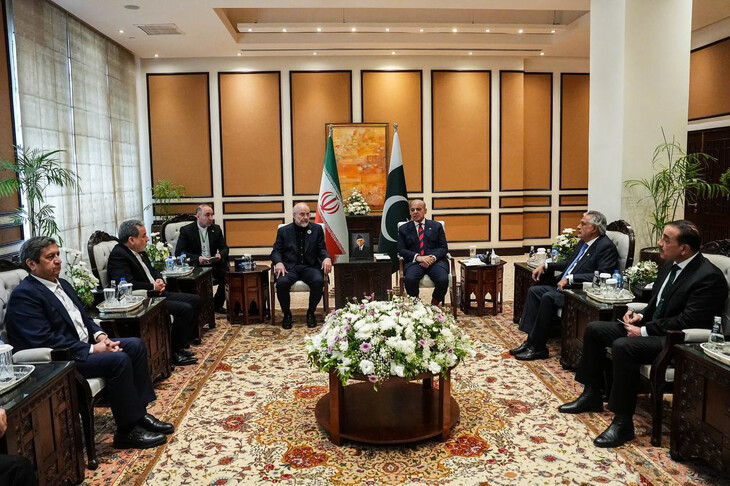
US Geopolitics in 2026: How Middle East Sanctions Are Sparking Unseen Global Energy Turmoil
US sanctions on Iran & Russia ignite 2026 global energy crisis: Japan's 'hellish summer', Hormuz tensions, oil surges. Asia pivots amid turmoil.
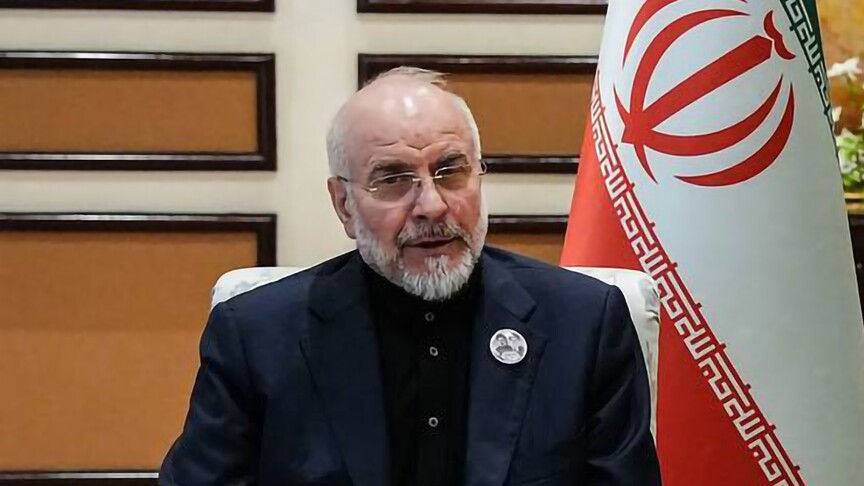
Iran's Geopolitical Ripple: How European Interventions and Cuban Ties Are Redefining Global Power Dynamics
Iran claims Strait of Hormuz control as Europe offers military aid; Trump vows Cuba 'new dawn' amid sanctions waivers. Shifting alliances reshape oil markets, NATO, global power.
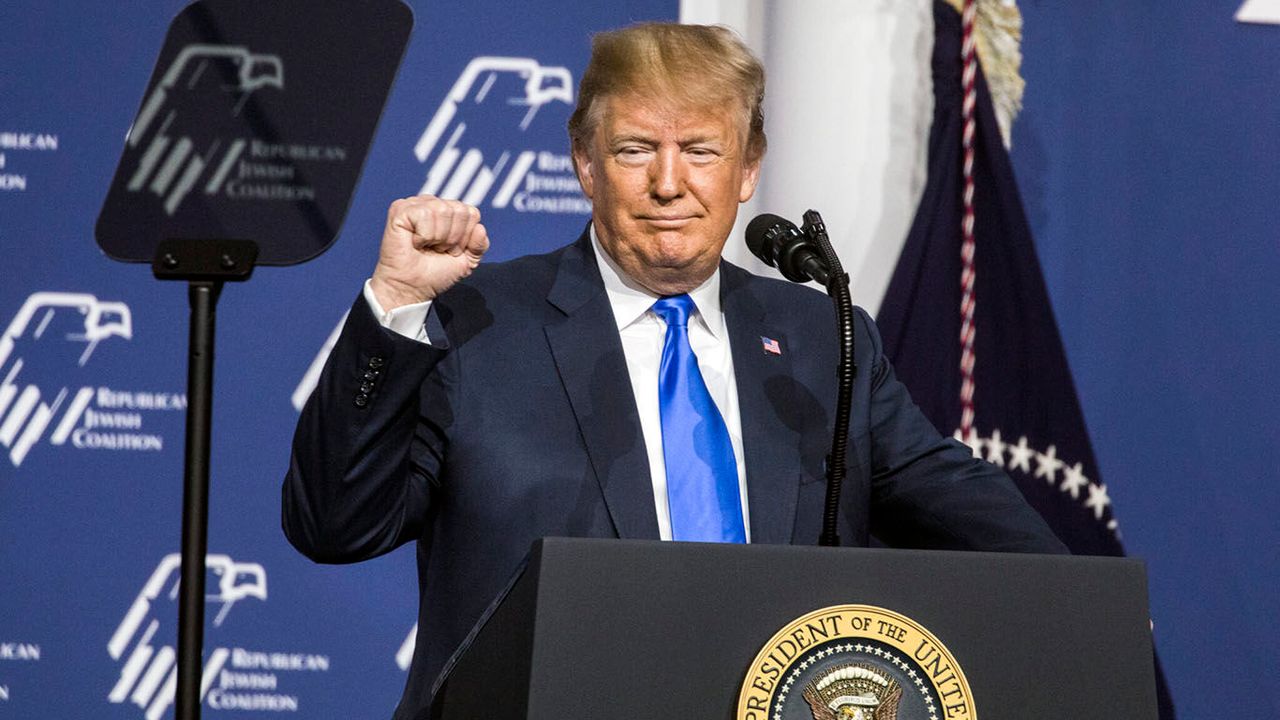
Iran's Technological Gambit: How Drones and Deception Are Reshaping Geopolitical Alliances in the Middle East
Iran's low-cost drones & GPS spoofing in Strait of Hormuz reshape Middle East alliances, evade sanctions, spark energy shocks. Expert 2026 analysis on tech geopolitics.
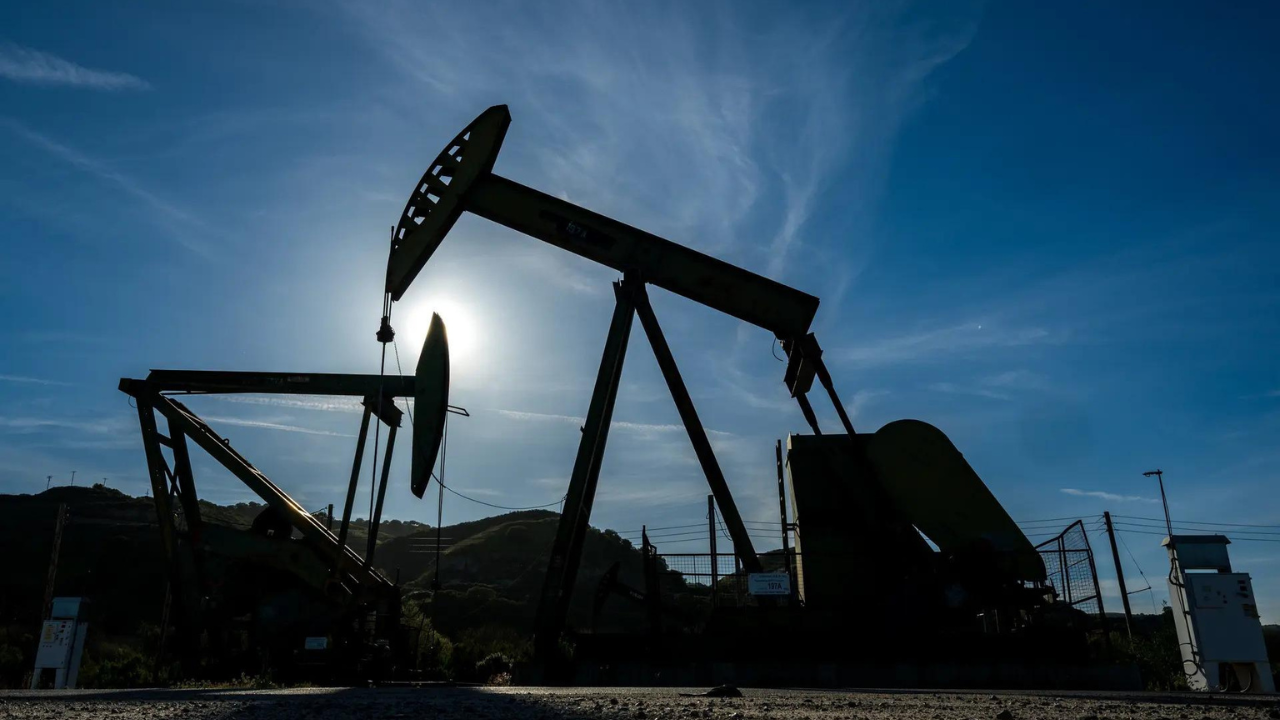
The Unseen Energy Wave: How US Oil Exports Are Redefining Global Trade Amid Escalating Tensions
US oil exports surge amid Iran war, redefining global trade, boosting USD & fueling China tensions. Expert analysis on markets, FDI risks & energy dominance. (138 chars)
Field guide
How US Dollar responds to global events
The fundamentals, geopolitical mechanics, and historical precedents Catalyst weighs when generating each US dollar forecast.
What Affects the US Dollar Exchange Rate?
Generating an accurate US dollar forecast requires understanding the macroeconomic fundamentals and geopolitical dynamics that drive currency markets. Exchange rates reflect the relative strength of two economies, determined by interest rate differentials, trade balances, capital flows, political stability, and market expectations about future monetary policy. The US Dollar pair is among the most actively traded in the world, with daily volumes in the hundreds of billions of dollars.
Our Catalyst AI engine analyzes how geopolitical events transmit to currency markets through these established mechanisms. By monitoring military conflicts, trade disputes, sanctions, elections, and policy announcements in real time, Catalyst provides US dollar forecastintelligence that integrates fundamental analysis with geopolitical risk assessment.
Geopolitical Events and Currency Markets
Geopolitical events affect currency pairs through several well-documented transmission mechanisms. During acute crises — military escalations, political coups, or systemic financial stress — capital flows toward perceived safe-haven currencies, primarily the US dollar, Japanese yen, and Swiss franc. This flight to safety strengthens safe-haven currencies at the expense of emerging market and commodity-linked currencies.
Trade wars and sanctions disrupt the normal flow of goods and capital between economies, directly impacting currency valuations. The 2018-2019 US-China trade conflict created sustained volatility across major currency pairs as tariff announcements shifted trade flow expectations and economic growth forecasts. Our Catalyst engine identifies these geopolitical catalysts and estimates their likely magnitude based on historical precedents and the specific economic exposure of each currency.
Political elections and leadership changes in major economies can trigger significant currency repricing as markets adjust expectations for fiscal policy, trade relationships, and regulatory environments. The impact is typically greatest when election outcomes diverge from market expectations, creating rapid position adjustments across the foreign exchange market.
Interest Rate Differentials and Monetary Policy
Interest rate differentials between central banks are the primary structural driver of major currency pair movements. When one central bank raises rates relative to another, the yield advantage attracts capital flows toward the higher-yielding currency. This carry trade dynamic can persist for extended periods, creating sustained trends in currency pairs. Central bank forward guidance — signaling future rate intentions — often moves currencies even more than actual rate decisions.
Our Catalyst engine integrates monetary policy analysis with geopolitical event tracking to provide comprehensive US dollar forecast forecasts. Geopolitical events frequently influence central bank decisions — a military conflict that raises oil prices may force a central bank to tighten policy faster than expected, while a trade war that slows economic growth may prompt rate cuts. These second-order effects are where Catalyst's causal chain analysis delivers the greatest insight.
Historical Precedents: Currency Markets During Crises
Historical precedents provide essential calibration for US dollar forecast during periods of geopolitical stress. The 2008 financial crisis saw the US dollar strengthen significantly as the global safe-haven currency despite the crisis originating in the US, while the euro weakened amid concerns about European bank exposure. During the 2022 Russia-Ukraine conflict, the ruble collapsed before recovering on capital controls, while the euro weakened on energy security concerns.
These episodes demonstrate that currency movements during geopolitical crises are often counterintuitive — the currency of the country closest to the crisis doesn't always weaken if it has safe-haven status. Our AI prediction model incorporates these historical patterns to avoid simplistic assumptions and generate nuanced US dollar forecast forecasts that account for complex capital flow dynamics.
Frequently asked
Questions about US Dollar
Direct answers covering forecast cadence, accuracy, drivers, and how Catalyst processes geopolitical shocks into prediction signals.
Our Catalyst AI engine updates US Dollar forecasts every 15 minutes using live geopolitical event data, central bank policy signals, and macroeconomic indicators. Each forecast includes a directional call, estimated magnitude, confidence level, and timeframe — providing continuously refreshed currency intelligence rather than periodic analyst reports.
Related forex assets
Continue across the forex universe
Catalyst engine
Real-time US Dollar predictions across 28 tracked assets
Live event feed, AI-classified market impact, and detailed reasoning per asset — refreshed every 15 minutes against the world's news flow.
Disclaimer: The predictions and analysis on this page are generated by AI based on geopolitical event analysis and should not be considered financial advice. Past performance and historical patterns do not guarantee future results. Always conduct your own research and consult a qualified financial advisor before making investment decisions.