
Zelensky Insists on British and French Military Presence for Ukraine Peace Deal Amid Escalating Security Talks
Kyiv, Ukraine – Ukrainian President Volodymyr Zelensky declared on January 4, 2026, that any prospective peace agreement with Russia must incorporate a sustained military presence from the United Kingdom and France to guarantee long-term security, marking a bold escalation in Kyiv's demands during ongoing geopolitical negotiations.
Zelensky's statement, delivered amid heightened tensions in the protracted Russia-Ukraine conflict, underscores Ukraine's push for robust Western security guarantees as a non-negotiable element of peace talks. Speaking in Kyiv, the president emphasized that without such commitments, including boots on the ground from key allies, any ceasefire would be untenable. "A peace deal must include British and French military presence in Ukraine to ensure security," Zelensky stated, according to reports from the event timestamped at 10:43 GMT. This high-severity development reflects Kyiv's strategy to deter future Russian aggression through multinational deterrence, drawing parallels to NATO's collective defense mechanisms.
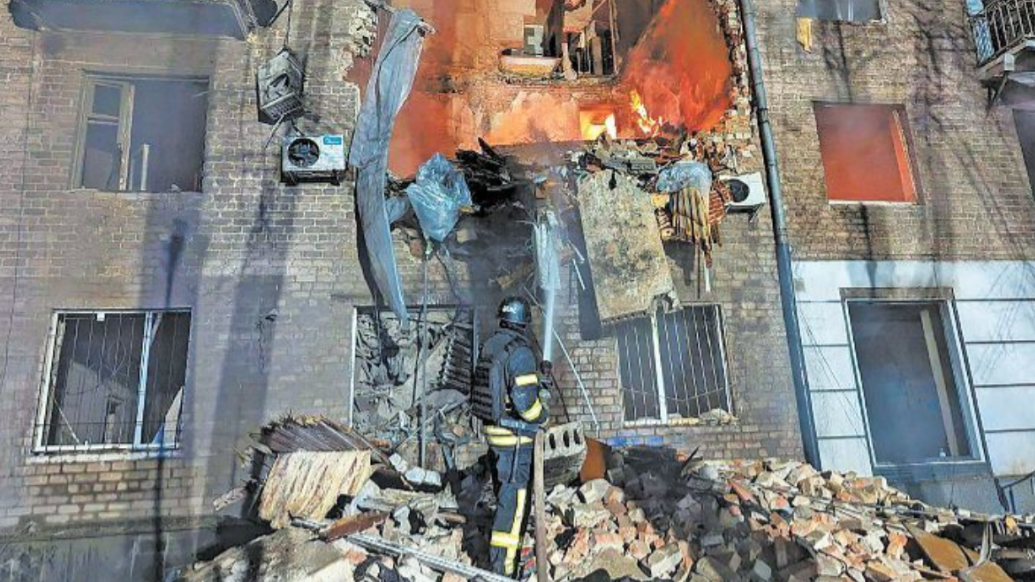
The remarks come as Ukraine navigates a complex landscape of bilateral security pacts with Western partners. A recent report from Phoenix News (凤凰网), published on January 11, 2026, indicates that a U.S.-Ukraine security agreement is "basically ready," signaling progress in formalizing American commitments. However, the article also notes that Russian retaliatory actions continue unabated, including strikes on Ukrainian infrastructure, complicating the path to de-escalation. This U.S. pact, if finalized, would likely involve arms supplies, intelligence sharing, and joint training, but Zelensky's call specifically highlights the need for forward-deployed forces from Europe’s major powers.
Broader Context of Security Guarantees
The Ukraine conflict, which began with Russia's full-scale invasion on February 24, 2022, has evolved into Europe's largest war since World War II. By early 2026, Russian forces occupy approximately 20% of Ukrainian territory, including Crimea and parts of Donetsk, Luhansk, Kherson, and Zaporizhzhia regions, according to verified assessments from the Institute for the Study of War (ISW) and Ukrainian military updates. Ceasefire discussions have intermittently surfaced, including U.S.-brokered talks in 2024 and 2025, but have stalled over issues like territorial concessions and security assurances.
Zelensky's demand aligns with Ukraine's "Victory Plan" outlined in late 2024, which prioritizes NATO membership or equivalent guarantees. The UK and France, as permanent UN Security Council members and nuclear powers, have been pivotal supporters. The UK signed a 10-year security cooperation agreement with Ukraine in January 2024, committing £2.5 billion in military aid for that year alone, while France has provided advanced weaponry like SCALP missiles and Caesar howitzers. Both nations participated in the G7's Joint Declaration of Support for Ukraine in 2023, pledging long-term security assistance outside NATO's Article 5 framework.
This latest proposal evokes historical precedents, such as the post-World War II Allied occupation of Germany or UN peacekeeping missions. However, it risks provoking Moscow, which views foreign troops in Ukraine as a direct threat. Russian President Vladimir Putin has repeatedly warned against NATO expansion eastward, framing it as an existential red line. In response to recent Ukrainian advances, including incursions into Russia's Kursk region in August 2024, Russia has intensified aerial bombardments, with the Phoenix News report confirming ongoing retaliatory operations as of January 2026.
Reactions and Diplomatic Ripple Effects
Western leaders have responded cautiously. UK Prime Minister Keir Starmer, in power since July 2024, reiterated London's "ironclad" commitment to Ukraine but stopped short of endorsing troop deployments. French President Emmanuel Macron, who floated the idea of sending Western trainers to Ukraine in 2024 before retracting it, emphasized diplomatic channels. U.S. President Joe Biden's administration, extended through 2025 elections, has focused on economic sanctions and aid packages totaling over $175 billion since 2022.
The U.S.-Ukraine security deal's near-completion, as reported, could serve as a template. Details remain sparse, but similar pacts with over 20 countries—including Germany, Poland, and Canada—emphasize reconstruction aid, cyber defense, and military interoperability. Analysts note that while these agreements bolster Ukraine's resilience, they fall short of the "hard power" presence Zelensky seeks.
Russia dismissed Zelensky's comments as "provocative," with Foreign Ministry spokesperson Maria Zakharova accusing Kyiv of sabotaging peace. Moscow's military, bolstered by North Korean munitions and Iranian drones, maintains pressure on eastern fronts, where casualty estimates exceed 1 million combined since 2022, per U.S. intelligence.
Outlook for Negotiations
As peace talks loom—potentially revived at forums like the Munich Security Conference in February 2026—Zelensky's stance tests alliance unity. The interplay between the prospective U.S. pact and demands for UK-French forces highlights a shift toward institutionalized deterrence. Yet, with Russian reprisals persisting, as noted in recent Chinese media coverage, the window for diplomacy narrows.
Ukraine's plea reflects a grim reality: without enforceable guarantees, history risks repetition. Stakeholders watch closely as Kyiv balances military aid inflows—$60 billion pledged by the U.S. in 2024—with calls for deeper entanglement.
(Word count: 712)