
Zelensky Demands British and French Military Presence in Ukraine as Condition for Peace, Prompting UN Security Council Meeting
Kyiv, Ukraine – Ukrainian President Volodymyr Zelensky has escalated calls for robust Western security guarantees, stating that any peace agreement with Russia must include a sustained military presence from the United Kingdom and France on Ukrainian soil. The remarks, delivered on January 4, 2026, come amid intensifying geopolitical tensions and have triggered an emergency session of the United Nations Security Council (UNSC), convened to address the deteriorating situation in Ukraine.
Zelensky's demand underscores Ukraine's insistence on ironclad assurances against future Russian aggression, as peace negotiations remain stalled. Speaking publicly on Sunday, January 4, at 10:43 GMT, the Ukrainian leader emphasized that British and French troops would serve as a deterrent to ensure long-term security, framing it as a non-negotiable element of any deal. This high-severity development highlights the fragility of diplomatic efforts more than three years into Russia's full-scale invasion.
Escalating Rhetoric Amid Stalled Talks
The statement arrives against a backdrop of renewed Russian advances in eastern Ukraine and faltering ceasefire discussions. Zelensky argued that without on-the-ground NATO-allied forces from key European powers like the UK and France, any truce would be untenable, echoing longstanding Ukrainian pleas for extended deterrence similar to Article 5 commitments. "A peace deal must include British and French military presence in Ukraine to ensure security," Zelensky declared, according to reports synthesizing his address.
This position has drawn sharp reactions. Russian officials swiftly dismissed the proposal as provocative, with Kremlin spokespeople labeling it an escalation that undermines neutrality pledges in prior Minsk agreements. Western allies, including London and Paris, have not yet formally responded, though UK Prime Minister Keir Starmer's government has historically provided substantial military aid—over £12 billion since 2022—without committing ground troops. France, under President Emmanuel Macron, has floated ideas of peacekeeping roles in the past but stopped short of deployment pledges.
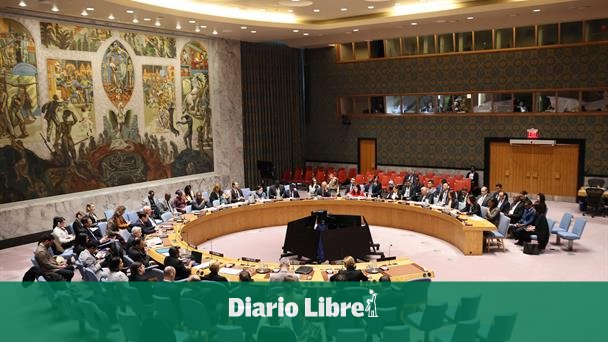
The urgency of Zelensky's call was amplified by the UNSC's rapid response. On January 10, 2026, the council convened an emergency meeting focused on the "situación en Ucrania," as reported by Diario Libre. Published on January 11 at 05:00 UTC, the session—chaired amid veto power tensions between permanent members Russia and Western states—aims to assess compliance with international law and explore de-escalation pathways. UN Secretary-General António Guterres has repeatedly urged restraint, warning that further militarization risks broader confrontation.
Broader Context of the Ukraine Conflict
Russia's invasion, launched on February 24, 2022, has resulted in hundreds of thousands of military casualties, widespread civilian suffering, and the displacement of over 6 million Ukrainians. Key flashpoints include Donetsk, Kharkiv, and the Black Sea region, where Ukrainian forces, bolstered by Western weapons like ATACMS missiles and F-16 jets, have mounted resilient defenses. Peace efforts, including the Istanbul talks of 2022 and subsequent Swiss-hosted summits, have collapsed over disagreements on territorial integrity, demilitarization, and sanctions relief.
Zelensky's invocation of UK and French forces revives debates on "security architecture" for postwar Ukraine. NATO's 2024 Washington Summit expanded support but rejected membership during active conflict. Bilateral guarantees from guarantor states—modeled on the 1994 Budapest Memorandum, which Russia violated—have been proposed, but Zelensky now seeks physical presence, akin to multinational forces in the Balkans during the 1990s.
Analysts note parallels to Cold War-era deployments, where Western troops symbolized commitment in divided Europe. However, domestic politics complicate matters: In the UK, public fatigue with aid commitments grows ahead of elections; France balances EU leadership with nuclear deterrence priorities. U.S. President-elect dynamics, post-2024, may also influence transatlantic resolve.
International Reactions and UNSC Dynamics
The UNSC meeting underscores global stakes. Permanent members—U.S., UK, France, China, and Russia—hold vetoes, often paralyzing action. Previous sessions on Ukraine, such as those in 2022, saw Russia defend its "special military operation" while Western states accused Moscow of war crimes, including recent strikes on energy infrastructure.
Diario Libre's coverage highlights Latin American perspectives, with nations like Brazil and Mexico advocating dialogue. No resolutions are expected immediately, but the session could pave the way for General Assembly involvement or special envoy appointments.
Outlook: Path to Peace or Prolonged Standoff?
Zelensky's gambit tests Western unity as winter hardships exacerbate Ukraine's challenges. With Russian forces reportedly consolidating in Luhansk, the demand for foreign troops may galvanize aid pledges—at the NATO summit in The Hague this summer—or fracture alliances if unmet. Diplomatic channels, including backchannel talks via Turkey and Qatar, persist, but experts caution that absent concessions on Crimea and Donbas, escalation looms.
As the UNSC deliberates, the world watches whether Zelensky's bold condition catalyzes progress or entrenches divisions in Europe's largest conflict since World War II. Ukraine's fate hinges on balancing sovereignty with security in an era of hybrid threats.
(Word count: 712)






