
Zelensky Demands British and French Military Presence in Any Ukraine Peace Deal
Kyiv, Ukraine – Ukrainian President Volodymyr Zelensky declared on January 4, 2026, that a viable peace agreement with Russia must incorporate the deployment of British and French military forces on Ukrainian soil to guarantee long-term security, escalating calls for robust Western commitments amid stalled negotiations.
The statement, rated as a medium-severity geopolitical development, underscores Kyiv's insistence on tangible security assurances as a non-negotiable element of any ceasefire or peace accord. Zelensky's remarks come at a critical juncture in the ongoing Russia-Ukraine conflict, now entering its fifth year, where discussions on post-war guarantees have intensified but faced repeated hurdles.
Details of Zelensky's Proposal
Speaking publicly on Sunday, January 4, at 10:43 GMT, Zelensky emphasized that without the physical presence of troops from key allies like the United Kingdom and France, any peace deal would lack credibility and enforceability. "A peace deal must include British and French military presence in Ukraine to ensure security," he stated, according to event monitoring data. This position reflects Ukraine's broader strategy to deter future Russian aggression through multinational forces, akin to peacekeeping missions seen in other post-conflict zones.
The proposal aligns with Ukraine's long-standing push for ironclad security architecture. Zelensky has repeatedly argued that diplomatic assurances alone—such as memorandums or bilateral pacts—are insufficient against a neighbor with a history of territorial incursions. This call revives earlier ideas floated during 2022 peace talks in Istanbul, where neutral status and international monitoring were discussed but ultimately collapsed.
Context of Security Guarantees
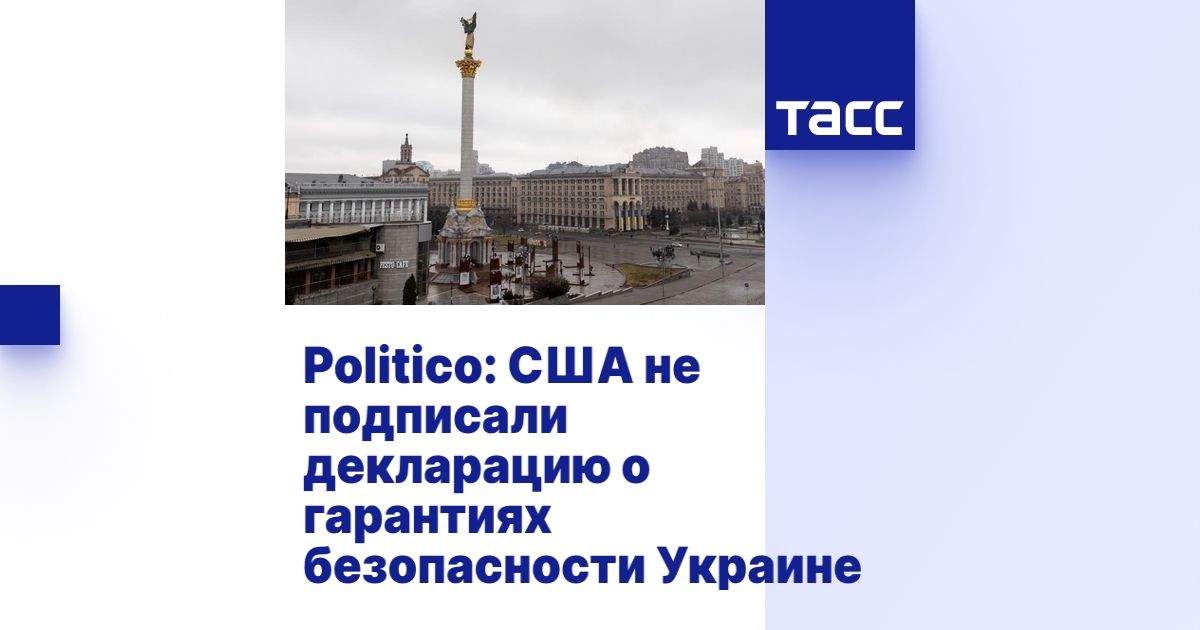
The announcement occurs against a backdrop of uneven progress in Western security pledges to Ukraine. A Politico report, cited by Russia's TASS news agency on January 7, 2026, revealed that the United States has not signed a key document outlining security guarantees for Ukraine. This development highlights fractures among NATO allies, with the U.S. reportedly hesitant amid domestic political shifts and fiscal constraints.
Historically, several Western nations have stepped forward with bilateral security agreements. The United Kingdom signed the first such pact with Ukraine in January 2021, even before Russia's full-scale invasion on February 24, 2022. France followed suit in 2024 with a similar deal, committing to military training, intelligence sharing, and rapid response capabilities. These pacts, totaling over a dozen from G7 and EU countries, pledge billions in long-term support but stop short of Article 5-style mutual defense—precisely the gap Zelensky seeks to fill with troop deployments.
The war, triggered by Russia's "special military operation" aimed at "denazification" and preventing NATO expansion, has resulted in hundreds of thousands of casualties, widespread destruction, and the displacement of millions. Ukraine, backed by over $200 billion in Western aid as of late 2025, has reclaimed significant territory but faces manpower shortages and ammunition deficits. Peace initiatives, including Switzerland-hosted summits in 2024 and U.S.-brokered talks, have faltered over core issues like territorial integrity, Crimea's status, and demilitarization.
Broader Geopolitical Implications
Zelensky's demand places immediate pressure on London and Paris, both vocal supporters of Ukraine. UK Prime Minister Keir Starmer's Labour government has provided Storm Shadow missiles and training for 100,000 troops annually, while French President Emmanuel Macron has floated ideas of European peacekeeping forces. However, deploying combat troops risks direct NATO-Russia confrontation, a red line invoked by Moscow.
Russian officials have dismissed such proposals as provocative. Kremlin spokesman Dmitry Peskov previously warned that foreign troops in Ukraine would equate to occupation, potentially reigniting hostilities. This echoes Russia's annexation of Crimea in 2014 and support for separatists in Donbas, events that preceded the 2022 invasion.
The U.S. non-signature on the guarantees document, as per Politico, may signal shifting priorities under a potential second Trump administration, following his 2024 election victory. Trump has advocated quick peace deals, criticizing prolonged aid as wasteful. European leaders, wary of reduced American involvement, have ramped up defense spending—Germany hitting NATO's 2% GDP target in 2025 and France pushing for a "strategic autonomy."
Background on Ukraine's Security Quest
Ukraine's pursuit of multinational security dates to the 1994 Budapest Memorandum, where it relinquished Soviet-era nuclear weapons in exchange for guarantees from Russia, the U.S., and UK—assurances Moscow violated in 2014 and 2022. Post-invasion, NATO's Washington Summit in July 2024 pledged an "irreversible path" to membership but deferred invitation amid the conflict.
Zelensky's January 2026 statement builds on his "Victory Plan" unveiled in late 2024, which called for NATO membership, resource partnerships, and air defenses. It also responds to battlefield realities: Russian advances in Donetsk and Kharkiv oblasts have prompted Kyiv to seek unconventional deterrence.
Outlook Amid Uncertainty
As winter 2026 sets in, with energy infrastructure again targeted, Zelensky's troop demand tests allied resolve. Diplomatic channels remain open, with UN-mediated talks scheduled for mid-January in Geneva. Analysts note that while UK and French leaders have expressed sympathy, logistical, legal, and political barriers loom large.
The proposal could galvanize European unity or fracture it further, depending on U.S. engagement. For Ukraine, it represents a bid to transform sympathy into steel—literally and figuratively—ensuring the sovereignty hard-won through years of resistance.
(Word count: 712)






