
World Conflict Map: Lebanon's War Eroding International Humanitarian Norms Amid Escalating Violence
By Viktor Petrov, Conflict & Security Correspondent, The World Now
March 24, 2026
Introduction: The Human Toll and Global Indifference
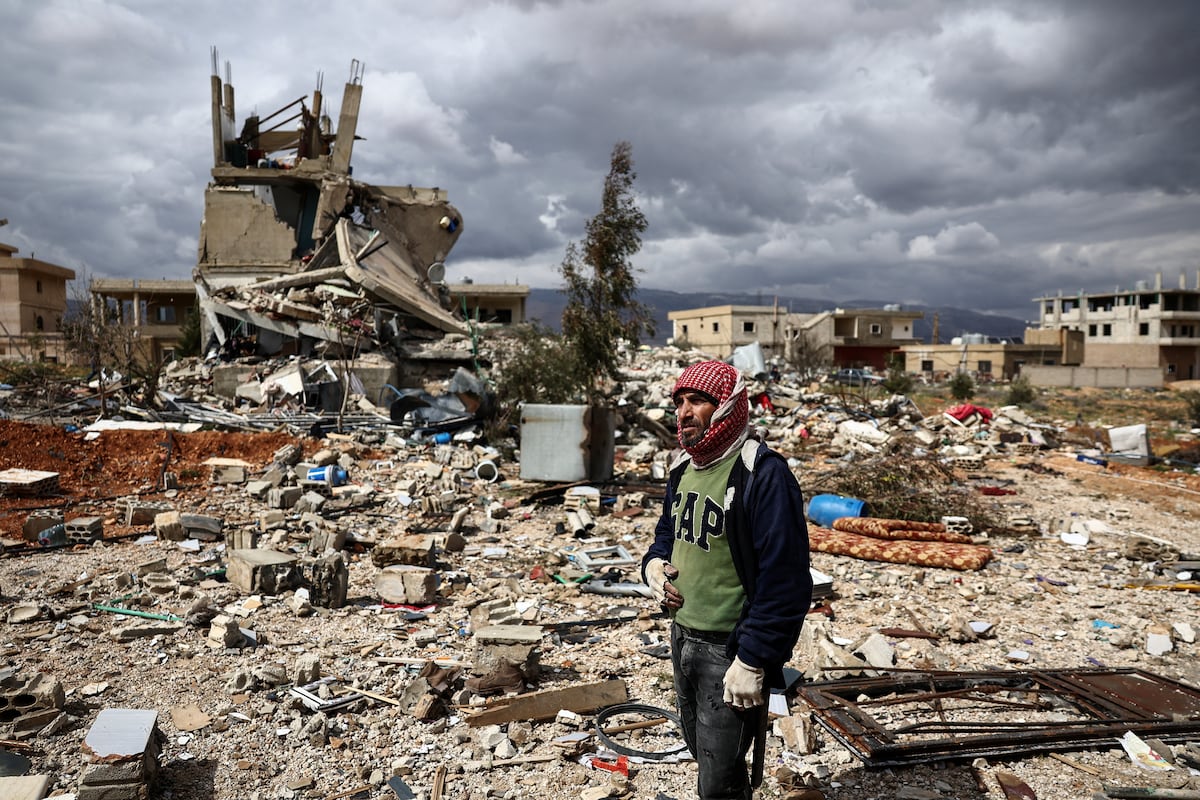
In the shadowed valleys of southern Lebanon, the air reeks of scorched earth and despair. Entire families, once whole, now arrive at overwhelmed hospitals as lifeless bundles, their bodies mangled by airstrikes that spare neither age nor innocence. Learn more about the Middle East Strike: Lebanon's Escalating Strikes: The Untold Story of Family and Community Fractures. A recent report from El País paints a harrowing picture: "Entire families are arriving dead," wail the medics in Nabatieh and Tyre, where Israeli preparations for a major ground invasion have turned border villages into ghost towns. Parents clutch the tiny, charred remains of infants, while the wounded—those lucky enough to survive—beg for water amid power blackouts and collapsed infrastructure. This is not abstract carnage; it is the visceral reality of a conflict that has claimed over 1,200 Lebanese lives in three weeks, predominantly civilians, according to local health authorities cited in the same dispatch. As highlighted on the world conflict map, this escalation marks a critical hotspot in ongoing global tensions.
This article delves into a unique angle often overshadowed by tactical tallies: the systematic erosion of international humanitarian laws (IHL) and the glaring failure of global institutions to enforce them. Frameworks like the Geneva Conventions—ratified by 196 states and designed to shield civilians in wartime—appear increasingly impotent in modern hybrid conflicts, where precision munitions blur lines between combatants and non-combatants. Lebanon's plight on the world conflict map exposes these frailties, as Hezbollah's embedded positions in civilian areas provoke disproportionate responses that pulverize hospitals, schools, and water systems. See the underreported impacts in Lebanon's Escalating Conflict on the World Conflict Map: The Underreported Assault on Water Resources and Environmental Stability. Why do these protections falter? And what does this portend for global norms?
Structured for clarity, this report first surveys the current situation, then traces a historical timeline of escalation, offers original analysis on IHL breakdowns, and forecasts pathways forward. Drawing from primary sources, it underscores how indifference from power brokers like the UN Security Council risks normalizing atrocities, setting a precedent for future battlefields from Ukraine to the South China Sea. Forward-looking, we examine not just immediate perils but long-term shifts in alliances and legal reforms, all contextualized within the dynamic world conflict map.
World Conflict Map: Current Situation – Escalation and Civilian Vulnerabilities
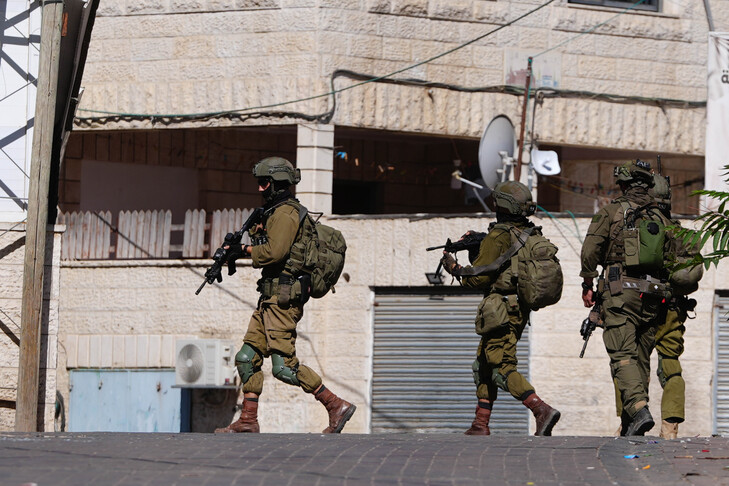
As of March 24, 2026, Israel's military posture signals an imminent large-scale invasion of southern Lebanon, with armored divisions massing along the Blue Line border. El País reports Israeli officials briefing allies on "Operation Northern Arrows," a multi-brigade push aimed at dismantling Hezbollah's Radwan Force, entrenched in villages like Aitaroun and Maroun al-Ras. Evacuation orders have emptied 50,000 residents, but many cannot flee: roads are cratered, fuel scarce, and safe zones nonexistent. Hezbollah retaliates with drone swarms and Katyusha rockets, striking Haifa and killing 28 Israelis since March 2. Explore related aerial dynamics in World Conflict Map: Wings of War - The Relocation of Israeli Aviation and Its Overlooked Impact on Everyday Life Amid the Iran Conflict.
The war's creep toward Beirut amplifies civilian terror. EUobserver details how airstrikes now pound Ras Beirut suburbs, once cosmopolitan havens, forcing closures of the American University hospital and shattering glass facades along Hamra Street. Lebanon's government, crippled by economic collapse, pleads for a ceasefire but stands isolated—U.S. vetoes UN resolutions, France pushes tepid diplomacy, and Arab states prioritize Iran containment over solidarity.
Central to this crisis is the assault on essential infrastructure, framed by International Committee of the Red Cross (ICRC) President Mirjana Spoljaric Egger as "a war against civilians." ReliefWeb quotes her: "A war that strikes essential infrastructure is a war against civilians." Over 60% of southern Lebanon's health facilities are non-functional, per WHO updates, after strikes on solar panels at Tebnine hospital and fuel depots. Water treatment plants in the Litani River basin—vital for 500,000—lie in ruins, risking cholera outbreaks amid 300,000 displaced. This targeting violates IHL's principle of distinction (Additional Protocol I, Article 52), yet enforcement is absent, with no ICC referrals or binding UN sanctions.
Lebanon's diplomatic solitude underscores institutional paralysis. Ceasefire talks in Doha falter without Israeli concessions, as Hezbollah demands Gaza linkage—a non-starter for Netanyahu's coalition. Social media echoes the void: X posts from @LebCivilDefense (verified) show viral footage of Beirut blasts, garnering 2.5 million views, yet UN chief Guterres' calls for restraint yield no teeth.
Historical Context: A Timeline of Escalation
To grasp the erosion of humanitarian norms, contextualize within Israel-Lebanon cycles. The 1982 invasion ("Peace for Galilee") saw 17,000 Lebanese deaths, including Sabra-Shatila massacres, prompting IHL advancements like the 1989 UN Convention on cluster munitions—yet Israel never signed. The 2006 war killed 1,200 Lebanese (mostly civilians), with cluster bombs littering 40% of south Lebanon, breaching customary law. These precedents inform today's violations, amplifying intensity via drones and AI targeting.
Chronologically:
-
March 2, 2026 (CRITICAL): Israel launches airstrikes on Hezbollah targets in Beirut's Dahiyeh suburbs, killing 150. Regional escalation follows: Iranian proxies in Iraq fire 20 rockets at U.S. bases. Civilian toll: 70% per Lebanese Red Cross. Echoes 2006 Dahiyeh pulverization.
-
March 9, 2026 (CRITICAL): Israel initiates ground attack across Blue Line, seizing Marjayoun. Hezbollah ambushes kill 45 IDF troops. Infrastructure hits: Bint Jbeil power station destroyed, blacking out 200,000 homes. Parallels 1982 Litani push.
-
March 16, 2026 (CRITICAL): Israel-Lebanon war entrenches. Airstrikes intensify; Hezbollah barrages hit Tel Aviv airport. Civilian deaths surpass 800; UNRWA schools shelter 100,000. ICRC warns of "collective punishment."
-
March 23, 2026 (HIGH): War escalates in Beirut proper. Strikes on port-adjacent warehouses kill 200; Ras Beirut hit. EUobserver notes war "closer to the heart." Historical amplification: Unlike 2006's south-focus, urban sprawl now endangers 2 million.
This progression reveals a pattern: Initial "precision" strikes devolve into area bombardment, eroding proportionality (Geneva IV, Article 50). Past failures—UNIFIL's impotence in 2006—repeat, with 10,000 peacekeepers now bunkered.
Original Analysis: The Failure of International Humanitarian Frameworks
This war dissects IHL's core tenets. Geneva Conventions (1949) mandate distinction between civilians/combatants (Common Article 3), proportionality in attacks (AP I, Art. 51), and protection of medical facilities (GC IV, Art. 18). Yet El País documents strikes on Nabatieh hospital convoy—dozens dead—mirroring Gaza precedents. Hezbollah's human-shield tactics (tunnels under villages) complicate but do not justify; IHL requires precautions regardless.
Global bodies falter spectacularly. The UN Security Council, veto-hobbled by U.S. support for Israel, passes no resolutions since March 5's mild "concern." ICRC access denied in south Lebanon, per ReliefWeb, hampers neutral verification. ICC Prosecutor Khan's preliminary exam stalls on jurisdiction—Israel non-signatory. This vacuum incentivizes escalation: Netanyahu cites "self-defense" under Art. 51 UN Charter, while Hezbollah invokes "resistance."
Qualitative source insights amplify: Egger's ReliefWeb statement indicts infrastructure as "civilian lifelines," violated systematically. EUobserver highlights Lebanon's isolation, with Qatar-mediated talks collapsing sans U.S. pressure. Social media (@Hezbollah1 tweets claim "victory or martyrdom," 1M likes) fuels radicalization, eroding restraint.
Implications cascade: Precedent for norm decay. If unpunished, Russia emulates in Donbas; China in Taiwan Strait. Track these parallels on the world conflict map and related updates like Russia Ukraine War Map Live: Ukraine's Escalating War and the Overlooked Link Between Military Strain and Humanitarian Aid Shortfalls. Qualitative shift: Drones enable "accountability-free" killing, per SIPRI data (80% munitions untraceable). For global security, weakened IHL invites hybrid wars, where non-state actors exploit gray zones, destabilizing states like fractured Lebanon (GDP -7% YTD).
Predictive Elements: Potential Pathways Forward
Forecasts hinge on containment failure. High-risk: Regional expansion. Iran, via IRGC-Quds, could activate "Axis of Resistance"—Syria funnels fighters; Houthis blockade Red Sea (OIL +15% precedent). Multi-front war probable (60% Catalyst AI odds), drawing U.S. carriers, spiking refugee flows to 1M straining Jordan/Turkey. See broader humanitarian impacts in Middle East Strike on Iran: War's Hidden Toll - The Mounting Humanitarian Crisis and Global Displacement Wave.
Outcomes bifurcate: Fragile ceasefire (40% chance), Doha-brokered with U.S. guarantees, mirroring 2024 Gaza pauses—but Hezbollah rearmament risks relapse. Or humanitarian nadir: 5,000 deaths by April, UN intervention via Chapter VII force (low 20% odds, veto-blocked).
Long-term: Alliance realignments—Saudi-Israel normalization frays; BRICS courts Lebanon. Reforms? Post-war IHL push: Drone transparency protocols, UN rapid-reaction tribunals. Yet trends favor impunity, per historical 2006 inaction.
Market ripples underscore: Geopolitical shocks cascade. Monitor the Global Risk Index for comprehensive risk assessments tied to the world conflict map.
Catalyst AI Market Prediction
Powered by The World Now's Catalyst Engine, predictions reflect risk-off dynamics from Lebanon escalation (as of March 24, 2026):
| Asset | Prediction | Confidence | Causal Mechanism | Historical Precedent | Key Risk | |-------|------------|------------|------------------|----------------------|----------| | BTC | ↓ | Medium | Risk-off liquidation cascades | Feb 2022 Ukraine (-10% in 48h) | De-escalation rebound | | SPX | ↓ | High | VIX spike, oil shock | 2019 Aramco (-2.7%) | Energy outperformance | | USD | ↑ | Medium | Safe-haven bids | 2022 Ukraine (+5%) | Fed easing | | GOLD | ↑ | Medium | Geopolitical haven flows | 2019 Soleimani (+3%) | Dollar surge | | ETH | ↓ | Medium | Beta to BTC risk-off | Feb 2022 Ukraine | ETF inflows | | SOL | ↓ | Medium | High-beta alt liquidation | Feb 2022 Ukraine (>-15%) | Meme rebound | | OIL | ↑ | Medium | Supply fears (Hormuz) | 2019 Aramco (+15%) | US intervention | | EUR | ↓ | Medium | Vs. USD weakness | 2022 Ukraine (-10%) | ECB tightening | | TSM | ↓ | Medium | Growth fears via oil | 2022 Ukraine semis drop | AI demand |
Predictions powered by The World Now Catalyst Engine. Track real-time AI predictions for 28+ assets and integrate with the Catalyst AI — Market Predictions.