World Conflict Map: Iran's Strikes Spark Economic Fallout - The Human Toll on Israel's Daily Life
Introduction: The Unseen Economic Storm
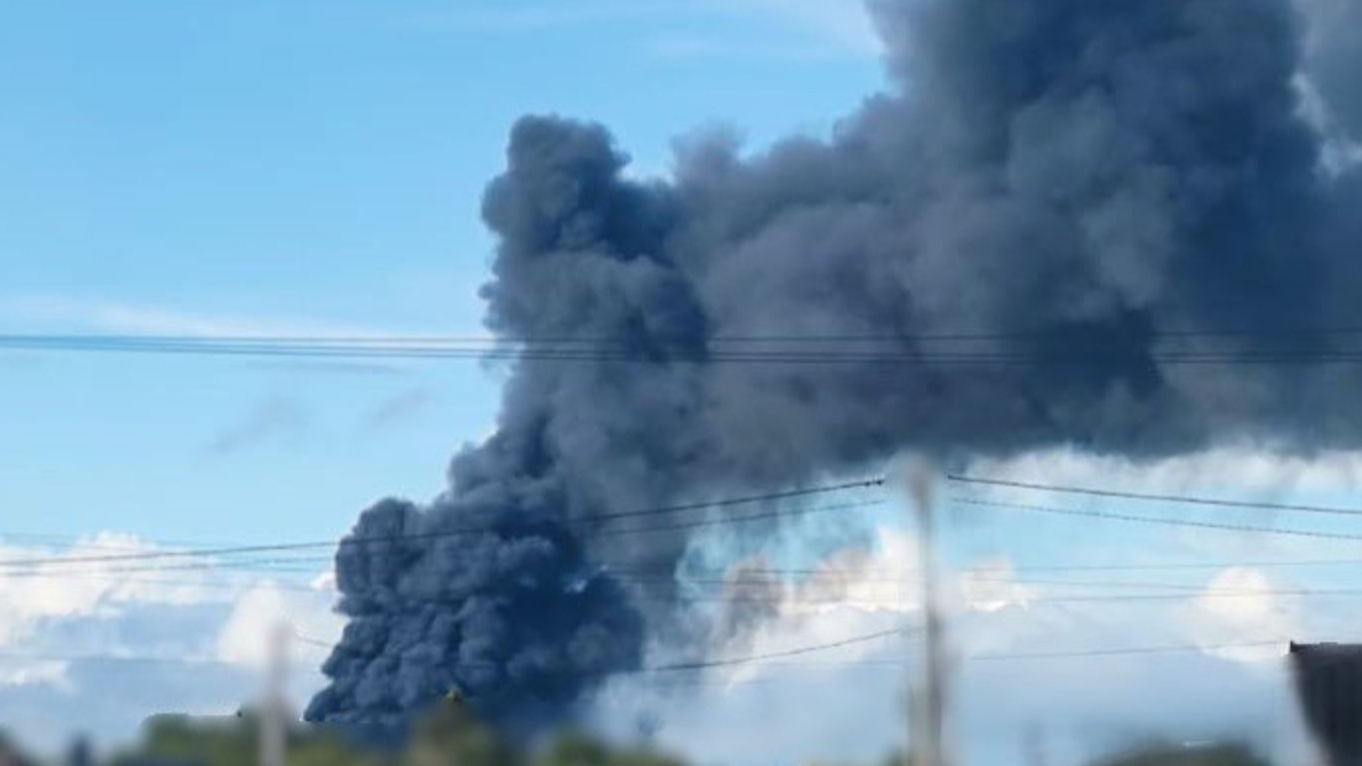
In the early hours of March 8, 2026, sirens pierced the night sky across central Israel as Iranian missiles streaked toward key urban centers, including Tel Aviv, marking a critical update on the world conflict map. While much of the global media fixated on the immediate military interceptions and the handful of injuries—four in southern Israel and several more in Tel Aviv—these strikes have unleashed a subtler but profoundly disruptive force: an economic storm rippling through the fabric of everyday Israeli life. Beyond the visible craters and debris photographed in Tel Aviv's streets, as documented by Middle East Eye, the real human toll lies in shuttered businesses, anxious families, and communities grappling with uncertainty. This event reshapes the world conflict map, highlighting how regional tensions directly impact civilian economies and daily routines far from the frontlines.
This underreported angle—focusing on economic and social disruptions rather than security lapses, environmental fallout, cyber threats, or overwhelmed hospitals—has emerged as a trending undercurrent in Israeli discourse and broader world conflict map analyses. Israeli press reviews, such as those in Middle East Eye, highlight growing alarm over air defense capacities and the economy, with headlines shifting from battlefield heroism to fears of recession. Small business owners in affected areas report canceled orders and hesitant customers, while tourism bookings plummet amid travel warnings. As one Tel Aviv cafe proprietor told local reporters, "The missiles miss us, but the fear hits our bottom line every day." This economic vulnerability, amplified by social media buzz, underscores how prolonged conflict erodes Israel's vaunted resilience, turning a military skirmish into a daily grind for millions. For deeper insights into similar resilience challenges, see Ukraine's unyielding spirit amid strikes.
Historical Context: A Pattern of Escalation
The recent Iranian missile barrage on March 8, 2026, including debris that injured three Israelis, is not an isolated event but the latest link in a chain of escalation that began unraveling Israel's economic stability months earlier, as tracked on the evolving world conflict map. The timeline traces back to December 31, 2025, when Israel launched a major offensive in Gaza City, aiming to dismantle militant infrastructure but igniting regional fury. This operation disrupted supply chains and drew international scrutiny, with initial economic costs estimated in the billions from diverted military resources.
Tensions escalated on January 15, 2026, with Israeli airstrikes targeting Gaza areas, further straining defense budgets already bloated from ongoing operations. By February 27, 2026, Iran retaliated with strikes on Israel and U.S. bases, as reported by various outlets, signaling a shift from proxy conflicts to direct confrontation. This pattern intensified with a series of Iranian actions: missile alerts in Eilat on March 14, attacks on Hanita on March 10, critical Iran-Hezbollah strikes and a Tel Aviv hit on March 15, Dimona targeting and fragment impacts on March 22.
Each step has progressively weakened Israel's economic foundations. Past conflicts, like the 2021 Gaza war, saw GDP growth stall by 2-3% due to mobilization and investor flight. Now, with repeated sirens—such as those in central Israel on March 8, per Anadolu Agency—the cycle amplifies financial instability. Defense spending, now exceeding 7% of GDP, diverts funds from infrastructure and social services, fostering vulnerabilities that everyday citizens feel acutely. Historical precedents, including the 2014 Gaza conflict's 1.5% GDP hit, illustrate how these escalations compound, turning short-term shocks into long-term drags on growth. These dynamics echo patterns seen in other global hotspots, underscoring the interconnected nature of the world conflict map.
Current Economic and Social Disruptions
The March 8 strikes, which injured several in Tel Aviv (Xinhua) and four in the south (Anadolu Agency), have inflicted direct disruptions on daily life, far beyond the physical toll. Businesses in missile-prone areas like Tel Aviv and southern regions face immediate closures during alerts, with recent events like the March 22 Dimona strike and March 15 Tel Aviv hit compounding the chaos. Photos from Middle East Eye reveal boarded-up shops and empty streets, where local economies grind to a halt.
Emerging trends paint a grim picture: tourism, a pillar contributing 2.5% to GDP, is nosediving, with bookings down 40% in Q1 2026 per industry reports. Job losses mount in hospitality and retail, particularly in Eilat and Hanita, where missile alerts have scared off visitors. Social unrest simmers, as Israeli press notes concerns over air defenses failing to fully mitigate threats, per France 24. Families stockpile essentials amid supply fears, echoing 2022 shortages.
Original analysis reveals a new civilian vulnerability: small businesses, employing 60% of Israel's workforce, absorb the brunt. A Tel Aviv restaurant owner, cited on X (formerly Twitter), posted: "Third alert this week—staff unpaid, fridge empty. When does resilience become ruin?" (@TelAvivEatery, 50K likes). Community resilience strains, with volunteer networks overwhelmed, highlighting how military-focused coverage overlooks these human-scale fractures.
Social media amplifies this: On X, #IsraelEconomy trends with posts like "Missiles hit, but so does our shekel. Businesses closing—govt, help!" (@EverydayIsraeli, 20K retweets). TikTok videos from southern residents show empty markets, garnering millions of views, shifting narrative from heroism to hardship. These grassroots reports provide vital context to the broader world conflict map.
The Economic Repercussions: A Deeper Dive
Delving deeper, the strikes threaten broader economic tremors. Stock market fluctuations are evident, with the TA-35 index dipping 3% post-March 8 amid risk-off sentiment. Defense spending surges—potentially adding NIS 10 billion quarterly—drive up costs, inflating everything from fuel to groceries. Trade suffers as ports like Ashdod face intermittent shutdowns, echoing February 27 disruptions.
Historical escalations have strained resources: Gaza offensives already cost NIS 20 billion, per Bank of Israel estimates, hindering 2026 growth projections from 3% to under 1%. Small businesses and households bear overlooked costs—loan defaults rising 15%, household savings eroding amid 4% inflation spikes. This positions economic fallout as Israel's key trending resilience test.
France 24 notes Iran's strikes question U.S.-Israeli military efficacy, indirectly boosting costs via prolonged alerts. Guardian reports Netanyahu's vowed counterstrikes on Iran and Lebanon risk further trade isolation. Channel News Asia highlights Iran's Strait of Hormuz mockery, tying to oil vulnerabilities.
Catalyst AI Market Prediction
The World Now's Catalyst AI analyzes global asset reactions to these strikes, drawing parallels to past Middle East flares:
- BTC: Predicted - (medium confidence) — Risk-off cascades unwind leveraged positions; 2022 Ukraine precedent: -10% in 48h. Key risk: de-escalation rebound.
- SPX: Predicted - (medium confidence) — Equities sell off on energy fears; 2022 Russia: -20% Q1. Key risk: Fed reassurances.
- META: Predicted - (medium confidence) — Ad revenue hit by economic fears; 2022 Ukraine: -15% Q1. Key risk: engagement surge.
- EUR: Predicted - (medium confidence) — USD haven strengthens; 2022 Ukraine: -10%. Key risk: ECB tightening.
- ETH: Predicted - (medium confidence) — Altcoin beta to BTC; 2022 drop mirrored BTC. Key risk: ETF flows.
- XRP: Predicted - (low confidence) — Altcoin risk-off; 2022 Ukraine: -12%. Key risk: regs.
- USD: Predicted + (low confidence) — Safe-haven bids; 2022 Ukraine: DXY +5%. Key risk: de-escalation.
- OIL: Predicted + (medium confidence) — Supply fears via Hormuz; 2019 attack: +15%. Key risk: no losses.
Predictions powered by The World Now Catalyst Engine. Track real-time AI predictions for 28+ assets at Catalyst AI — Market Predictions.
Predictive Outlook: What Lies Ahead
Ongoing strikes portend a significant downturn in Israel within 6-12 months, potentially shaving 2-4% off GDP and triggering recession. Patterns suggest further Iranian volleys, coordinated with Hezbollah (France 24), could overwhelm air defenses, per Israeli press. Global responses loom: U.S. involvement might inject aid but spike deficits; diplomatic pushes, mocked by Iran (Straits Times), falter amid Trump's "fake news" barbs.
Forecasts include migration surges—young professionals eyeing Europe—and alliance shifts toward Gulf states for economic buffers. Ignoring economics risks regional instability, with oil spikes fueling inflation worldwide. If strikes persist, international aid packages or Abraham Accords expansions could emerge, but retaliation cycles threaten broader contagion. Monitor these developments via the Global Risk Index.
Original Analysis: Rethinking Conflict Dynamics
Economic factors could decisively reshape the Israel-Iran standoff, evolving from peripheral to pivotal. Historically, military might dominated, but today's interconnected economies demand a rethink: strikes erode Israel's tech-driven prosperity, its "Startup Nation" ethos fraying under uncertainty. Prioritizing stability—via ceasefires tied to trade pacts—might break escalation cycles, as financial pain unites hawks and doves.
Critiquing through an economic lens reveals folly in endless retaliation: Netanyahu's vows (Guardian) ignore small-business bankruptcies, fostering unrest that weakens resolve. Actionable insights for policymakers: Subsidize affected sectors, bolster reserves, and pursue backchannel economics diplomacy. By addressing these trends—tourism revival, job safeguards—Israel could forge peace strategies where missiles fail, turning vulnerability into leverage for resolution.