
Wintry Weather Paralyzes Schiphol Airport as Cold Snap Deepens Across Netherlands
Amsterdam, Netherlands – A severe wintry weather event has disrupted operations at Amsterdam's Schiphol Airport, Europe's fifth-busiest hub, leading to the cancellation of approximately 200 flights and delays for hundreds more. The disruptions began on Friday, January 2, 2026, at 10:52 GMT, amid heavy snow, frost, and plummeting temperatures that have gripped the Netherlands for days.
The inclement conditions, classified as medium severity by weather monitoring services, have compounded challenges for travelers and logistics across the densely populated Low Countries. Schiphol, which handles over 70 million passengers annually under normal circumstances, saw widespread cancellations primarily affecting short-haul European routes, with airlines such as KLM and Transavia issuing advisories for passengers to check flight statuses. Grounded aircraft, icy runways, and reduced visibility from snowfall were cited as primary causes, echoing past winter disruptions at the airport during similar cold snaps.
As of Tuesday, January 6, 2026, the wintry conditions showed no signs of abating. Overnight temperatures plunged to a record low of -10.2°C in the Utrecht village of Cabauw, marking the first officially designated heavy frost of the season according to the Royal Netherlands Meteorological Institute (KNMI). This extreme chill, combined with forecasts for additional snow showers and persistent heavy frosts, has prompted warnings from Dutch authorities for continued travel advisories nationwide.
Widespread Impacts Beyond Aviation
The weather event has ripple effects extending far beyond Schiphol's tarmac. Roads across North Holland, Utrecht, and Gelderland provinces reported hazardous conditions, with black ice and snow accumulation leading to multiple accidents and road closures. Public transport, including trains operated by NS Dutch Railways, faced delays of up to two hours on key lines connecting Amsterdam to Rotterdam and Utrecht. Schools in affected regions delayed openings, and municipal services deployed gritters and snowplows in a bid to maintain accessibility.
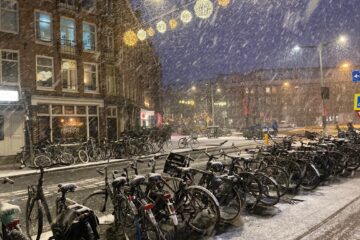
In urban centers like Amsterdam and The Hague, the frost has transformed canals and bike paths into skating rinks, reviving the Dutch tradition of Elfstedentocht preparations—though officials confirmed no such ice marathon is feasible this year due to inconsistent thickness. Agricultural sectors, particularly in the bulb-growing regions of Flevoland, expressed concerns over potential crop damage from the freeze, reminiscent of the 2010 cold wave that cost Dutch farmers millions in losses.
DutchNews.nl reported that the cold spell aligns with a broader European weather pattern driven by a southward dip in the polar vortex, bringing Arctic air masses into Western Europe. The KNMI has forecasted more snow—potentially 5-10 cm in coastal areas—through mid-week, with daytime highs struggling to exceed -5°C. "Wintry weather set to continue," the outlet noted, highlighting the shift from mild December conditions to this prolonged freeze.
Historical Context and Airport Vulnerabilities
Schiphol's vulnerability to winter weather is well-documented. Situated just 15 km southwest of Amsterdam at near-sea level (elevation -3 meters), the airport is prone to rapid snow accumulation and de-icing delays. A similar event in December 2021 saw over 300 cancellations, underscoring the facility's challenges despite investments in heated runways and advanced de-icing technologies totaling €100 million since 2018.
The Netherlands, with its flat polder landscape and extensive canal system, experiences amplified disruptions during cold snaps. The last comparable heavy frost occurred in 2018, when temperatures hit -13.9°C, leading to a national code orange weather warning. Climate data from the KNMI indicates that while average January temperatures hover around 3°C, extreme events like this one—fueled by stalled high-pressure systems—occur roughly once every 3-5 years, often linking to North Atlantic Oscillation patterns.
Schiphol's management responded swiftly, activating its winter operations plan, which includes 24/7 snow removal teams and contingency fueling for stranded passengers. "Safety remains our top priority," a spokesperson stated in an airport update. Airlines have offered rebooking options and vouchers, though frustration mounted among passengers facing multi-day delays.
Outlook and Regional Response
Meteorologists predict a slow thaw by the weekend of January 10-11, as milder Atlantic air begins to infiltrate. However, the KNMI urges caution, with yellow warnings for ice and snow persisting through Thursday. The Dutch government has allocated additional funds from its €50 million winter contingency budget to support local authorities.
This event underscores the Netherlands' ongoing adaptation to variable winter extremes amid broader climate shifts, where cold outbreaks punctuate a warming trend. Travelers are advised to monitor official updates via Schiphol.nl and KNMI apps, while residents prepare for potential power strains from heating demands.
As the nation braces for more frosts, the wintry grip serves as a stark reminder of nature's unpredictability in one of Europe's most engineered landscapes.
(Word count: 712)