Wintry Weather Paralyses Amsterdam Schiphol Airport, Cancelling 200 Flights and Delaying Hundreds More

Latest from X
Wintry Weather Paralyses Amsterdam Schiphol Airport, Cancelling 200 Flights and Delaying Hundreds More
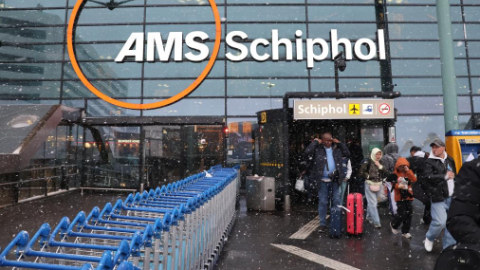
Amsterdam, Netherlands – Severe wintry conditions have brought air travel at Amsterdam Airport Schiphol to a standstill, resulting in the cancellation of approximately 200 flights and widespread delays affecting hundreds of others. The disruptions began on Friday, January 2, 2026, amid heavy snow, hail, ice, and unfavorable winds, marking a high-severity weather event at one of Europe's busiest aviation hubs.
Schiphol Airport, the primary international gateway to the Netherlands, has been grappling with the impacts of this harsh winter weather since early January. Passengers faced chaos as airlines, including major carrier KLM, scrapped flights due to unsafe runway conditions, the need for extensive de-icing procedures, and operational constraints from wind direction. Reports indicate that platforms, gates, and runways required intensive snow clearance, exacerbating the bottlenecks. Travelers have reported long waits, with some flights delayed by hours or diverted to alternative airports.
The Xinhua news agency reported on the disruptions on January 8, 2026, highlighting how the winter weather has significantly hampered air traffic at the facility. Official communications from Schiphol, shared via posts on X (formerly Twitter), have acknowledged the issues, directing affected passengers to airline support channels and emphasizing the combined effects of snow, ice, hail, and de-icing demands. These updates reflect ongoing efforts to manage the situation, including specialized snow removal operations on runways and aircraft preparation.
Operational Challenges Amid Freezing Conditions
The severity of the weather has forced airlines to prioritize safety, leading to preemptive cancellations. Schiphol, which handles over 70 million passengers annually under normal circumstances, relies on precise coordination between ground crews, air traffic control, and meteorological teams. Wintry precipitation creates hazardous icy surfaces, reducing aircraft braking efficiency and increasing the risk of skids. De-icing fluids, applied to wings and fuselages to melt frost, must be reapplied frequently in persistent cold, adding time to turnaround processes.
Posts found on X from Schiphol's official account illustrate the scale of the response, with mentions of dedicated teams clearing snow from critical infrastructure and addressing passenger inquiries about cancelled itineraries. The airport has a history of such resilience; similar "winter wonderland" scenarios were documented in prior years, including visual updates on snow-clearing operations in 2025 and even as far back as 2021. However, the current event's combination of elements—snow, hail, ice, and gusty winds—has amplified the disruptions beyond routine winter maintenance.
The Royal Netherlands Meteorological Institute (KNMI), the country's official weather service, has been monitoring the conditions, though specific advisories tied to Schiphol were not detailed in available updates. Broader forecasts for the Netherlands in early January 2026 predicted below-freezing temperatures and intermittent wintry showers, consistent with the North Sea-influenced climate that often brings sharp contrasts between mild Atlantic air and colder continental flows.
Background: Schiphol's Vulnerability to Winter Storms
Amsterdam Schiphol Airport, located just 15 kilometers southwest of the city center, sits at sea level in a low-lying polder region reclaimed from the sea. This geography exposes it to rapid weather shifts, particularly during winter when polar air masses clash with milder maritime influences. Historically, the airport has weathered multiple severe weather episodes. In December 2010, a massive snowstorm grounded thousands of flights across Europe, with Schiphol among the hardest hit. More recently, events in February 2021 and January 2025 prompted similar operational halts, prompting investments in advanced de-icing facilities and snow-removal equipment.
The Netherlands as a whole experiences frequent wintry disruptions due to its northern European latitude (52°N) and proximity to the North Sea. The KNMI classifies such events under severe weather warnings when they pose risks to transport, infrastructure, or public safety. Schiphol's high traffic volume—serving as a hub for SkyTeam alliance members like KLM and Delta Air Lines—means even short disruptions ripple globally, affecting transatlantic, European, and intercontinental routes.
Passenger rights under EU Regulation 261/2004 entitle those impacted by weather-related cancellations to compensation if airlines fail to provide alternatives, though uncontrollable weather often exempts carriers from payouts. Airports must offer care including meals, accommodation, and rebooking assistance. Schiphol has directed inquiries to KLM and other operators, underscoring the collaborative nature of recovery efforts.
Broader Impacts and Recovery Outlook
The disruptions extend beyond immediate flight schedules, straining ground transport links like trains to Amsterdam Centraal and road access via the A4 and A9 highways, where icy conditions have prompted traffic advisories. Economically, Schiphol contributes €20 billion annually to the Dutch economy through tourism, cargo, and business travel; prolonged halts could affect supply chains and holiday plans amid the post-New Year travel peak.
As of January 8, 2026, operations remain fluid, with the airport publishing adjusted advisories on winter weather management. Recovery depends on stabilizing temperatures and clearing residual ice, with ground crews working around the clock. While posts on X indicate a proactive stance, passenger sentiment reflects frustration over uncertainties.
This event underscores the aviation sector's vulnerability to climate variability, even as Europe invests in resilient infrastructure. Travelers are advised to check airline apps and Schiphol's website for real-time updates, as conditions evolve with each weather front.
(Word count: 712)
Track this story live
Live World Map
Monitor global events in real time with a live activity map and hotspot summaries.
Global Disaster Tracker
View earthquakes, volcanoes, floods, weather, and wildfire clusters in one place.
Hurricane Tracker
Live hurricane and tropical storm tracking with storm paths, categories, and alerts.
Tornado Tracker
Track active tornado warnings, watches, and severe weather alerts across the United States.
Original Sources
- •
Editorial process: This article was synthesized from the original sources cited above using The World Now's AI editorial system, with byline accountability from our editorial team. We grade every story for source grounding, factual coherence, and on-topic match before publication. Read more about our editorial standards and contributors. Spot something inaccurate? Let us know.
Last updated: January 26, 2026