
Wintry Blast Paralyzes Netherlands: Schiphol Airport Grounds Hundreds of Flights, Supermarkets Face Empty Shelves
Amsterdam, Netherlands – A severe wintry weather event gripping the Netherlands has caused widespread disruptions, including the cancellation of hundreds of flights at Amsterdam's Schiphol Airport and halted deliveries leading to empty shelves in major supermarkets. The cold snap, which began intensifying around January 2, 2026, has brought snow, ice, and freezing temperatures, severely impacting air travel and daily supply chains.
Schiphol Airport, Europe's fifth-busiest hub and a critical gateway for international travel, has been at the epicenter of the chaos. Initial reports indicated around 200 flight cancellations and delays for hundreds more due to the wintry conditions starting Friday, January 2, at approximately 10:52 GMT. By January 7, the situation had worsened significantly, with airport operations canceling 700 flights amid persistent icy runways and poor visibility, according to The Guardian. The disruptions have stranded thousands of passengers, with airlines scrambling to rebook travelers on alternative routes or later flights. Schiphol authorities have urged passengers to check flight statuses in advance and prepare for extended wait times.
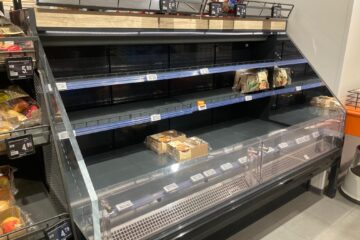
The ripple effects extend far beyond the tarmac. Heavy snowfall has blanketed roads and highways, making deliveries treacherous for truck drivers transporting perishable goods. DutchNews reported on January 7 that some Albert Heijn supermarkets – the Netherlands' largest grocery chain with over 1,100 stores – experienced empty shelves, particularly for fresh produce, dairy, and bakery items. Delivery vans struggled to navigate snow-covered routes, leading to postponed or canceled shipments. Shoppers in affected areas, including parts of Amsterdam and surrounding regions, faced shortages of essentials like milk, bread, and fruits, prompting some to stockpile supplies earlier in the week.
Broader Impacts and Emergency Responses
The wintry weather, classified as high severity, has prompted nationwide alerts from the Royal Netherlands Meteorological Institute (KNMI). Forecasts indicate continued snow showers, sub-zero temperatures, and icy winds through the weekend, exacerbating black ice formation on untreated roads. Dutch infrastructure, designed primarily for mild maritime climates, has proven vulnerable to such extremes. The country's flat polder landscape and extensive canal system amplify flooding risks from melting snow, though no major incidents have been reported yet.
Transportation authorities have deployed gritters and snowplows across motorways like the A4 and A10 near Schiphol, but congestion remains heavy. Public transport, including trains operated by NS Dutch Railways, has seen delays of up to two hours on key lines. Schools in northern and central provinces closed temporarily, and local governments advised remote work where possible.
This event echoes past disruptions in the Netherlands, where even moderate snowfalls – averaging 20-30 cm annually in winter – can halt a nation unaccustomed to heavy accumulation. A similar storm in December 2021 grounded over 100 Schiphol flights and caused supermarket shortages, highlighting ongoing challenges in de-icing technology and supply chain resilience. The Netherlands' reliance on just-in-time logistics for food imports from neighboring countries like Germany and Belgium makes it particularly susceptible.
Government and Industry Measures
The Dutch government has activated its national crisis coordination center to monitor developments, coordinating with airport operators KLM and Schiphol Group. Airlines have issued apologies and compensation under EU Regulation 261/2004, offering meals, hotels, and refunds for affected passengers. Albert Heijn stated it is prioritizing restocking high-demand items and working with suppliers to resume deliveries as conditions improve.
Meteorologists predict a gradual thaw by mid-week, with temperatures rising above freezing. However, the combination of snowmelt and frozen ground could lead to localized flooding in low-lying areas like the Randstad conurbation, home to over 8 million people.
As the Netherlands digs out from this arctic intrusion, the event underscores the growing unpredictability of European winters amid shifting climate patterns. While no fatalities have been linked directly to the weather so far, authorities continue to warn of slip-and-fall risks and urge caution on the roads. Travelers and residents alike are advised to stay updated via official channels as recovery efforts unfold.
(Word count: 612)