
Wintry Blast Grips Netherlands: Schiphol Airport Faces Ongoing Flight Cancellations and Delays Amid Snow and Ice
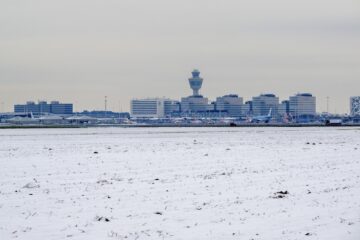
Amsterdam, Netherlands – Severe wintry weather has plunged Amsterdam's Schiphol Airport into chaos, canceling around 200 flights and delaying hundreds more since early January, with an additional 80 cancellations reported on Friday as snow and freezing conditions persisted.
The disruptions began on Friday, January 2, 2026, at 10:52 GMT, when a sudden onset of snow and sub-zero temperatures battered the region. Schiphol, Europe's fifth-busiest airport by passenger traffic and a critical hub for KLM and other carriers, ground to a partial halt as de-icing operations struggled to keep pace with the onslaught. By January 9, the situation had not abated, with airport officials confirming another 80 flights scrapped that day alone, exacerbating travel woes for thousands of passengers.
The latest cancellations, detailed in reports from DutchNews.nl, underscore the prolonged impact of the weather event, classified as high severity by monitoring services. Snow accumulation on runways, combined with icy taxiways and poor visibility, forced airlines to axe departures and arrivals across Europe and beyond. Delays rippled through the network, affecting hundreds of additional flights and stranding passengers in terminals or en route.
Schiphol's management has responded by pledging improvements to weather resilience. Airport bosses highlighted ongoing efforts to enhance de-icing capabilities and runway clearing protocols, amid criticism over repeated vulnerabilities to winter storms. "We are working around the clock to restore normal operations," a spokesperson stated, according to the DutchNews report, though no specific timeline for full recovery was provided.
Widespread Transport Disruptions Across the Netherlands
The wintry conditions have not been confined to aviation. The Netherlands, with its low-lying polder landscape crisscrossed by canals and dikes, is particularly susceptible to snow and freeze-thaw cycles, which turn roads into skating rinks and halt rail services. Since January 2, Dutch highways have seen multiple pile-ups, and NS train operators reported widespread delays due to frozen switches and overhead wires.
Meteorological data from the national weather service, KNMI, indicates that temperatures plummeted below -5°C (23°F) in North Holland, where Schiphol is located, with snowfall totals exceeding 10 cm (4 inches) in some areas. This cold snap follows a pattern of increasingly erratic winter weather in Western Europe, linked to shifting jet stream patterns influenced by climate variability.
Passengers at Schiphol described scenes of frustration, with long queues for rebooking and limited hotel availability in the Amsterdam area. Families heading to winter holidays and business travelers were among the hardest hit, as connections to major cities like London, Paris, and New York faced cascading cancellations.
Historical Context and Airport Challenges
Schiphol Airport, officially Amsterdam Airport Schiphol, handles over 70 million passengers annually under normal conditions, serving as a gateway for transatlantic and intra-European flights. Its below-sea-level position—three meters (10 feet) under the water table—adds engineering complexities, including advanced drainage systems prone to overload during heavy snowmelt.
The Netherlands has a long history of winter transport disruptions. In 2010, a similar snowstorm paralyzed Schiphol for days, canceling over 1,000 flights and costing airlines millions. More recently, Storm Eunice in 2022 and cold snaps in 2021 exposed ongoing frailties in infrastructure adapted primarily for mild maritime climates. Government investments, including €100 million allocated in 2023 for climate-resilient aviation, aim to mitigate such events, but critics argue that preparations remain inadequate for intensifying weather extremes.
KNMI forecasts suggest the current system—a mix of Arctic air and moist Atlantic flows—will linger through the weekend, with potential for more snow before a gradual thaw early next week. Schiphol advises travelers to check flight statuses via airline apps and arrive three hours early.
Outlook for Recovery
As cleanup crews battle the elements, Dutch authorities have activated emergency protocols, including salting operations on key motorways and priority de-icing for essential flights. Airlines like KLM have issued vouchers and hotel accommodations where possible, though full compensation under EU261 regulations will apply for eligible delays and cancellations.
The episode highlights the broader challenges of operating in a changing climate, where rare wintry blasts are becoming more disruptive even as average temperatures rise. For now, the focus remains on restoring connectivity, with Schiphol aiming to ramp up operations as conditions improve. Travelers are urged to stay informed, as the weather's grip shows no immediate signs of relenting.
(Word count: 612)