
Winter Storm Elli Batters Germany with Snow and Ice, Disrupting Travel Nationwide
Berlin, Germany – Germany is in the grip of winter Storm Elli, unleashing heavy snow, frost, and icy conditions that have led to widespread train cancellations, slippery roads, and urgent calls from authorities to postpone non-essential travel. The storm, striking on Friday, January 9, 2026, and extending into Saturday, has compounded an ongoing cold snap that began on January 5, creating hazardous conditions across much of the country.
The disruptions come at a time when millions of Germans are navigating daily commutes and weekend plans amid wintry weather typical of the season but intensified by the named storm. Rail passengers, in particular, face significant challenges, with major routes affected as snow and ice accumulate on tracks and infrastructure.
Widespread Rail and Road Disruptions
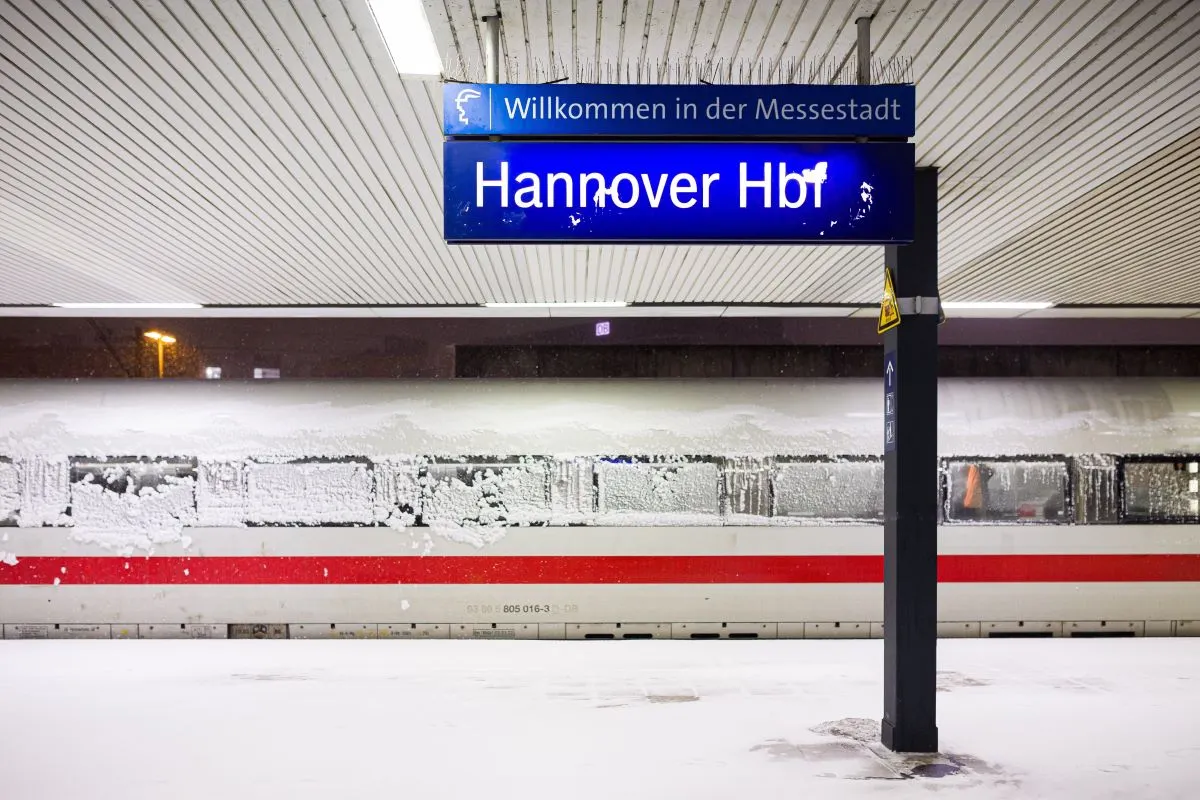
Storm Elli has prompted extensive cancellations on Germany's rail network, operated primarily by Deutsche Bahn (DB), the country's national railway operator. Travelers planning trips on Friday and Saturday have been hit hardest, with services halted or severely delayed due to the storm's fury. According to reports, the inclement weather has rendered many lines impassable, stranding passengers and complicating logistics for freight transport as well.
In response, guidance has been issued on passenger rights for compensation. Rail users in Germany are entitled to refunds or reimbursements under EU regulations and DB policies when trains are cancelled or delayed beyond specified thresholds—typically 60 minutes for long-distance services. Eligibility often hinges on the cause being attributable to the operator rather than force majeure events like extreme weather, though stormy conditions can sometimes qualify for claims if preventive measures fall short. Passengers are advised to retain tickets and document delays via the DB app or website to file claims promptly, potentially receiving 25% to 100% refunds depending on the delay duration.
Road travel is equally perilous, with heavy snowfall creating black ice and reduced visibility. Authorities have warned of slippery conditions on highways and local roads, leading to accidents and slowdowns. The German Weather Service (Deutscher Wetterdienst, DWD) has issued alerts for northern and central regions, where accumulations of up to 10-20 cm of snow are forecast in some areas.
Storm Elli's Impact on Daily Lives
The storm's effects ripple beyond transportation. Residents across Germany—from bustling cities like Berlin and Hamburg to rural areas in Bavaria and Saxony—are contending with power outages, school closures, and event cancellations. Emergency services report increased calls for assistance related to falls on ice and vehicle skids, though no widespread fatalities have been confirmed as of Friday afternoon.
"Postpone your trip," has become the refrain from transport officials and meteorologists alike. The DWD and regional governments urge the public to check live updates via apps and websites before venturing out, emphasizing the risks of frostbite and hypothermia in the sub-zero temperatures accompanying the snow.
Background: Cold Snap Sets Stage for Storm
This severe weather event builds on a medium-severity cold snap that commenced on January 5, 2026, bringing initial bouts of snow, frost, and ice to much of Germany. The early January chill, unusual in its persistence for southern regions, has lowered temperatures to -5°C (23°F) or below overnight, priming the ground for Storm Elli's heavier precipitation.
Named storms like Elli are tracked by Europe's meteorological agencies as part of efforts to standardize warnings, similar to previous systems such as the UK's naming convention adopted regionally. Germany experiences such winter storms annually, often disrupting the €50 billion transport sector. Historical parallels include Storm Sabia in late 2023, which caused flooding and rail chaos, and the 2018 "Beast from the East" event that blanketed Central Europe in snow.
Deutsche Bahn, already under scrutiny for reliability amid ongoing infrastructure upgrades, has deployed snow-clearing teams and alternative bus services where possible. The operator's app shows real-time disruptions, with long-distance ICE trains most affected on north-south corridors.
Outlook: Cautious Recovery Ahead
As Storm Elli moves eastward into Saturday, forecasters predict a gradual easing, with snow tapering off by Sunday. However, residual ice and cold air masses will linger, maintaining travel advisories through the weekend. The Federal Ministry of Transport has activated contingency plans, including salting operations on Autobahns and coordination with airlines, which report minimal flight delays at major hubs like Frankfurt and Munich.
Travelers are encouraged to monitor DB Navigator, the DWD website, and local news for updates. Insurance providers note that comprehensive policies often cover weather-related cancellations, providing additional recourse.
This episode underscores Germany's vulnerability to extreme winter weather in an era of climate variability, where polar air intrusions clash with milder Atlantic flows. While disruptions are significant, the nation's robust infrastructure response aims to minimize long-term impacts, allowing life to resume as conditions improve.
(Word count: 682)