
Winter Storm Batters Italy: Hundreds of Flights Canceled, Runway Protests Erupt Amid Rail Strike Chaos
ROME — Severe winter weather sweeping across Europe has plunged Italy's transportation network into disarray, with hundreds of flights delayed or canceled at major airports and frustrated passengers staging dramatic protests, including a runway incursion at Brindisi Airport. The disruptions, which began intensifying on January 7, 2026, have been compounded by a nationwide rail strike, leaving travelers stranded and highlighting vulnerabilities in the country's infrastructure during cold snaps.
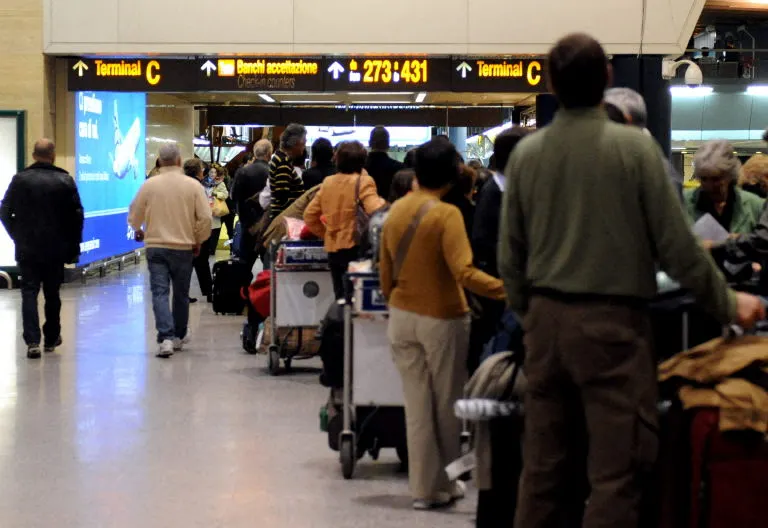
The chaos unfolded as a potent winter storm system brought heavy snow, strong winds, and sub-zero temperatures to much of the continent, with Italy bearing the brunt in its northern and central regions. Airports including Rome's Fiumicino, Milan's Malpensa, and Venice's Marco Polo reported widespread cancellations and delays, affecting tens of thousands of passengers. According to reports, the adverse conditions forced airlines to ground flights bound for domestic and international destinations, stranding holiday travelers and commuters alike.
A particularly volatile incident occurred overnight at Brindisi Airport in Puglia, southern Italy, where passengers on two flights originally headed to Albania grew enraged after their planes were diverted due to the weather. In a show of desperation, the group stormed the runway in protest, prompting a temporary shutdown of operations and heightened security measures. Airport authorities quickly intervened, but the episode underscored the mounting tensions as delays stretched into hours and days for many.
Compounding the aerial mayhem, a concurrent rail strike across Italy has paralyzed train services, further choking the nation's travel arteries. Major lines operated by Trenitalia and Italo faced suspensions, with only essential services running on reduced schedules. This dual assault on air and rail transport has created a perfect storm of gridlock, particularly in high-traffic hubs connecting Italy to the rest of Europe.
Broader Context of Europe's Winter Onslaught
Italy's woes are part of a larger meteorological event gripping Europe. Similar weather patterns have battered neighboring countries, with heavy snowfall in the Alps disrupting ski resorts and cross-border routes, while icy conditions in France and Germany led to motorway closures and power outages. Italy, situated at the Mediterranean's edge but flanked by the Alps, frequently experiences such "burian" or polar vortex incursions during January, when cold air masses plunge southward from Scandinavia and Eastern Europe.
Historically, Italy has grappled with winter weather disruptions. In January 2017, a similar cold snap dubbed "Beast from the East" caused flight cancellations and blackouts across the peninsula. More recently, in 2021, Storm Filomena dumped rare heavy snow on Rome, paralyzing the capital for days. These events often expose gaps in de-icing capabilities at airports and the strain on aging rail infrastructure, which is particularly vulnerable to snow accumulation on tracks.
ENAC, Italy's Civil Aviation Authority, issued advisories urging passengers to check flight statuses via airline apps and websites, while urging patience amid the uncontrollable forces of nature. No injuries were reported from the Brindisi protest, but authorities emphasized that runway breaches pose serious safety risks to aircraft operations.
Government Response and Passenger Impacts
Italian transport officials have mobilized snow removal teams and activated contingency plans at key airports. The Ministry of Infrastructure and Transport coordinated with regional authorities to prioritize de-icing and runway clearing. However, with the rail strike—scheduled as part of ongoing labor disputes over wages and working conditions—extending into the week, alternative road travel has surged, leading to congested highways in Lombardy and Veneto.
Passengers have voiced fury on social media, sharing images of packed terminals and hours-long waits. One traveler diverted to Brindisi posted: "We've been here since midnight, no food, no info—enough is enough." Advocacy groups like Cittadini Italiani contro l'Aeroporto di Fiumicino have called for compensation under EU Regulation 261/2004, which mandates refunds and assistance for weather-related disruptions beyond airline control, though claims processes can be protracted.
Outlook: Lingering Disruptions Expected
Meteorological forecasts indicate the winter weather system will persist through the weekend, with additional snowfalls expected in the Po Valley and Apennines. Airlines such as ITA Airways and Ryanair have issued warnings of ongoing cancellations, advising against non-essential travel. The rail strike is set to conclude by Friday evening, but full normalization of services may take longer.
As Italy navigates this medium-severity event—classified by national weather services based on its travel impacts rather than loss of life—the episode serves as a reminder of the interplay between climate patterns and modern mobility. Travelers are urged to monitor updates from official sources, including the Italian Met Office (Aeronautica Militare) and airport websites, as recovery efforts ramp up.
(Word count: 612)