War Ukraine Nears Turning Point as Biletsky Sets Six-Month Window
Senior Ukrainian commander Brig. Gen. Andriy Biletsky has outlined a narrow but critical period ahead in the war ukraine, during which battlefield momentum could shift decisively. His assessment draws on direct observation of Russian troop performance and Ukrainian operational capacity.
Commander's Assessment
Brig. Gen. Andriy Biletsky commands Ukraine's Third Army Corps, recognized as one of the country's most capable fighting forces. [5] In this role he has evaluated the overall trajectory of the conflict and concluded that a turning point is imminent. [1] Biletsky's position gives him insight into both Ukrainian defensive and offensive capabilities across multiple sectors. He has communicated these views through statements that emphasize the need for timely action to alter the current balance. The commander's remarks focus on measurable indicators of force exhaustion rather than abstract projections. Sources confirm that his assessment aligns with observations reported to international outlets. [3] This perspective from a senior field commander adds weight to discussions about the next phase of operations.
Russian Army Condition
Biletsky assesses that Russia's army is exhausted and incapable of major breakthroughs. [1] He bases this conclusion on sustained Ukrainian contact with Russian units over extended periods. The evaluation points to reduced Russian ability to sustain large-scale advances despite continued pressure along the front. According to the commander, these limitations stem from cumulative losses and logistical strain that have degraded operational effectiveness. The Third Army Corps under his leadership has contributed to monitoring these developments across its area of responsibility. Such assessments remain grounded in tactical reporting rather than broader strategic claims. [5] The condition of Russian forces therefore creates an opening that Ukrainian planners are positioned to exploit within a defined timeframe.
Brig. Gen. Andriy Biletsky, commander of Ukraine's Third Army Corps, assesses the war. — Source: newsmax
Timeline and Objectives
Ukraine has a window of six to nine months to seize the battlefield initiative from Russia. [5] Biletsky identifies this interval as the period during which Ukrainian forces can consolidate advantages before conditions change. The objective is to strengthen Ukraine's position ahead of potential peace negotiations. [3] Within this span, operations would aim to improve territorial and force posture outcomes that could influence any future talks. The commander links the timeline directly to the current state of Russian capabilities, noting that delays beyond this window could narrow options. Statements emphasize measured advances rather than unlimited objectives. This structured approach reflects the commander's focus on achievable gains within available resources.
War Duration Context
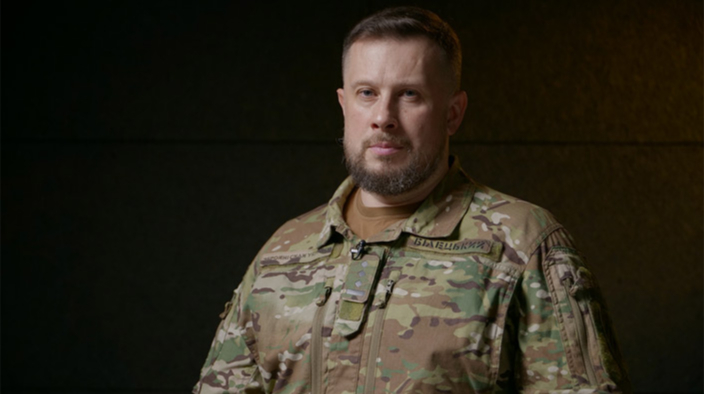
Brig. Gen. Andriy Biletsky, commander of Ukraine's Third Army Corps. — Source: ukrainskapravda
The conflict referenced in the commander's statements has lasted more than four years. [3] Biletsky incorporates this duration into his analysis of force sustainability on both sides. The extended period has shaped the exhaustion observed in Russian formations and the accumulated experience within Ukrainian units. Context from this timeframe informs the urgency attached to the six-to-nine-month window. Reports quoting the general consistently tie the length of the war to the narrowing margin for initiative. [5] This background underscores why the upcoming period is viewed as decisive for positioning.
Strategic Window for Initiative
The six-to-nine-month period represents a defined opportunity to shift momentum before external factors intervene. Biletsky's statements highlight that Ukrainian forces must act within this span to lock in gains. [5] The Third Army Corps, as one of the most respected formations, is expected to play a central part in any coordinated effort. [1] Objectives remain centered on improving the overall negotiating stance rather than indefinite continuation of hostilities. Analysis from the commander avoids speculation beyond observable trends in Russian performance.
Outlook for Peace Negotiations
Biletsky frames the coming months as preparation for eventual talks after more than four years of war. [3] Strengthening the battlefield position during the identified window is presented as the primary means to enter negotiations from a position of relative advantage. The assessment does not detail specific terms but stresses the importance of demonstrated capability. Ukrainian planning therefore incorporates both military and diplomatic considerations within the same timeframe. Sources reporting the general's comments note this linkage between operational success and future diplomatic leverage. [5]
What to watch next is whether Ukrainian units can convert the assessed Russian limitations into measurable advances inside the six-to-nine-month window described by Biletsky.