
War Iran strains U.S. missile supplies with rebuild projected years away
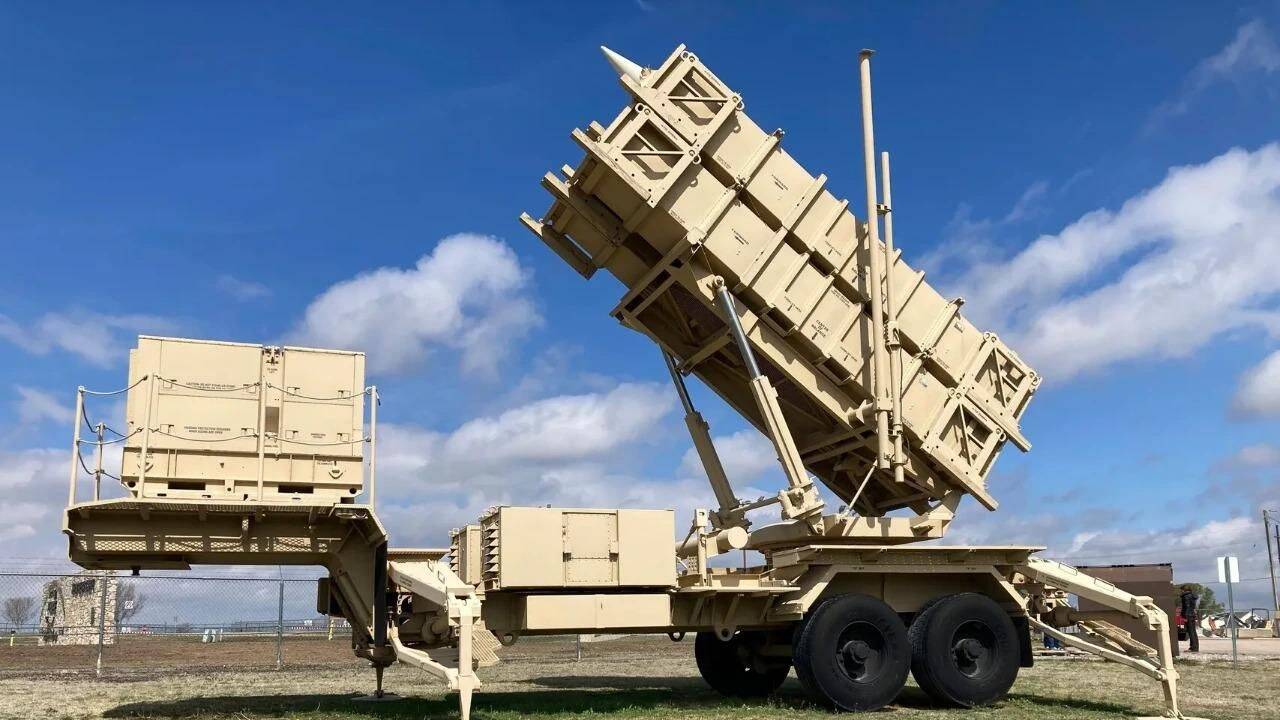
The prolonged military campaign known as war iran has placed significant pressure on American defense resources. Reports indicate that missile stockpiles have been drawn down substantially during operations involving Iran, with defense analysts projecting that replenishment efforts could require several years to complete. This assessment draws directly from a bipartisan Washington think tank and aligns with coverage originally reported by ABC News.
Missile Stockpile Depletion
Defense analysts have highlighted the strain on U.S. missile supplies resulting from the extended operations. The bipartisan Washington think tank reviewed available data and concluded that current inventories are depleted to a degree that will necessitate a lengthy rebuilding period. [3] Multiple accounts emphasize that the time required to restore adequate levels could stretch across years rather than months. [4] These findings rest on the same underlying reporting from ABC News, which documented the scale of missile usage throughout the campaign. [5]
Concerns from Defense Analysts
Analysts associated with the think tank have expressed ongoing worry about the sustainability of current production rates. Their evaluation points to the cumulative effect of sustained launches and the industrial capacity needed to replace expended munitions. [3] The same sources note that even accelerated manufacturing schedules would face bottlenecks in raw materials and assembly timelines. [4] Such observations remain grounded in the documented depletion patterns observed during the conflict.
{IMAGE_2}
Internet Restoration in Iran
Iran has now restored internet access following a shutdown that lasted nearly 90 days. The blackout was implemented by authorities at the outset of the war with the U.S. and Israel. [2] Citizens who had been cut off from external information sources began reconnecting once service resumed, with many describing the return of social media platforms as a notable relief.
Public Reaction to Connectivity
Residents expressed immediate appreciation upon regaining online access. Even under ordinary conditions, many websites remain subject to censorship, making the recent restoration particularly significant for those seeking broader information. [2] The end of the extended outage allowed previously restricted channels to function again across the country.
Oversight Requirements
A senator has pointed out that federal law requires the appointment of an inspector general once an overseas contingency operation exceeds 60 days. [1] This statutory trigger applies directly to the ongoing situation involving Iran. The requirement is intended to ensure independent monitoring of expenditures and activities once the defined threshold is crossed.
Campaign Context
The military effort referenced across reports encompasses operations between the U.S., Israel, and Iran. [1] [2] [3] The duration of these actions has surpassed both the 60-day mark that activates oversight provisions and the nearly 90-day period during which Iranian internet services remained unavailable. [1] [2] These timelines illustrate the extended nature of the conflict and its measurable effects on both U.S. material resources and Iranian domestic infrastructure.
What to watch next: Continued monitoring of missile replenishment timelines and any formal appointment of an inspector general once the 60-day threshold is formally acknowledged.