
War in Ukraine: Over 7,000 North Korean Troops Killed or Wounded
In the ongoing war Ukraine developments, reports indicate that over 7,000 North Korean troops have been killed or wounded while supporting Russian forces.[1] A precise figure of 7,058 North Korean servicemen have suffered casualties in this conflict.[1] Additional updates highlight that Ukraine may have addressed its challenges with Russian Kinzhal missiles,[2] while citizens from 48 countries who fought for Russia are now held in Ukrainian captivity.[3]
North Korean Troop Losses
The involvement of North Korean forces in Russia's military campaign has resulted in significant casualties, with over 7,000 troops reported killed or wounded.[1] Specifically, a total of 7,058 North Korean servicemen have been killed or wounded in Russia's war against Ukraine.[1] This figure represents a substantial toll among the foreign contingents deployed to the front lines, illustrating the scale of North Korea's military contribution to the Russian effort.
These losses underscore the intensity of combat operations where North Korean units have been engaged. The exact breakdown between those killed and wounded is not detailed in available reports, but the combined total of 7,058 points to a heavy price paid in the conflict.[1] North Korean troops have been integrated into Russian operations, facing the same harsh conditions and Ukrainian defenses that have challenged all invading forces. This level of attrition highlights the risks associated with deploying personnel from allied nations into active war zones.
From a strategic perspective, such casualties could impact North Korea's ability to sustain further deployments. The reported numbers suggest that rotations or reinforcements may be necessary to maintain any ongoing presence, though specifics on current troop levels remain tied directly to the casualty data provided.[1] The deployment of these servicemen marks a notable escalation in international involvement, as North Korea provides direct combat support in Russia's war against Ukraine.[1] Analysts monitoring the conflict note that these figures emerge from Ukrainian intelligence assessments, emphasizing the verified nature of the losses amid broader battlefield reporting.
The context of these troop losses fits into patterns observed since North Korea's announced support for Russia. Over 7,000 affected personnel indicates not just numerical involvement but sustained exposure to frontline dangers.[1] This development adds another layer to the multinational dimensions of the war, where foreign fighters bear significant risks parallel to those of primary combatants.
Ukrainian Defense Developments
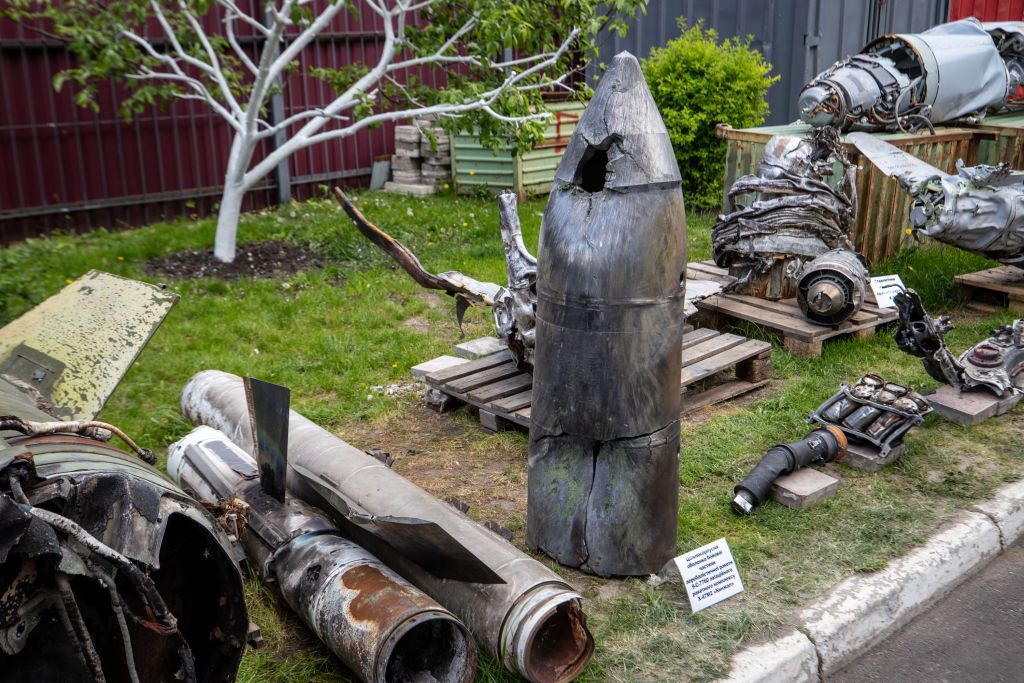
Ukraine has potentially overcome a key vulnerability in its air defense capabilities, with indications that it may have solved its Russian Kinzhal missile problem.[2] The Kinzhal, a hypersonic air-launched ballistic missile, has posed a formidable threat throughout the conflict due to its speed and maneuverability, challenging interception efforts by various defense systems.
Reports suggest that recent advancements or tactical adjustments have enabled Ukraine to neutralize this specific missile threat effectively.[2] This potential resolution represents a critical evolution in Ukraine's defensive posture, allowing for more robust protection against one of Russia's most advanced munitions. The Kinzhal missile problem had previously strained resources, as these weapons were designed to evade traditional defenses and strike high-value targets with precision.
Achieving a solution to this issue could stem from enhanced integration of Western-supplied systems, improved detection methods, or successful interceptions that have depleted Russian stockpiles—though the sources focus on the overarching claim of resolution.[2] Ukraine may have solved its Russian Kinzhal missile problem through a combination of experience gained over repeated engagements and technological adaptations tailored to this threat.[2] This breakthrough, if confirmed, would bolster confidence in Ukraine's overall air defense network, reducing the psychological and material impact of such strikes.
In practical terms, addressing the Kinzhal challenge means fewer successful penetrations of Ukrainian airspace by these missiles, preserving infrastructure and military assets.[2] The repetition of this development in reporting underscores its importance as a turning point in the aerial dimension of the war Ukraine faces.[2] Ukrainian forces have demonstrated resilience in adapting to evolving Russian tactics, and solving the Kinzhal issue aligns with broader efforts to counter ballistic and hypersonic threats.
Foreign Fighters in Captivity
A diverse group of foreign combatants supporting Russia now faces detention in Ukraine, with citizens of 48 countries held in Ukrainian captivity.[3] These individuals fought on the side of Russia, contributing to its military operations across various fronts.[3]
The nationalities represented among the captives span 48 countries, reflecting the global recruitment drive by Russian forces to bolster their ranks.[3] Citizens of 48 countries who fought for Russia are currently being held in captivity in Ukraine, highlighting the international scope of participation in the conflict.[3] This situation arises from captures during intense battles where foreign volunteers or mercenaries engaged Ukrainian defenses.
The presence of such a broad array of nationalities in captivity illustrates the patchwork nature of Russia's allied fighter pool. From regions across Europe, Asia, Africa, and beyond, these 48 countries' citizens have been drawn into the fray, only to end up detained.[3] Ukrainian authorities manage these captives in accordance with international standards for prisoners of war, though specifics on treatment or exchanges are not detailed in the reports.
This development carries implications for diplomatic relations, as home countries may seek information or repatriation for their nationals.[3] The fact that citizens fought for Russia and are now held underscores the risks of joining foreign conflicts.[3] With 48 countries involved, the captives represent a microcosm of the war's appeal to international adventurers, ideologues, and mercenaries.
Overview of Key War Updates
The latest updates from the war Ukraine theater encompass multiple fronts, including heavy North Korean casualties, potential Ukrainian missile defense successes, and a wide array of foreign fighters in captivity.[1][2][3] A total of 7,058 North Korean servicemen have been killed or wounded, marking over 7,000 troops lost in support of Russia's campaign.[1] This figure provides a snapshot of allied involvement and the human cost exacted on the battlefield.
Complementing this, Ukraine may have solved its Russian Kinzhal missile problem, signaling advancements in countering high-tech threats.[2] Such progress enhances defensive capabilities amid ongoing aerial assaults. Meanwhile, citizens of 48 countries who fought for Russia are held in Ukrainian captivity, expanding the conflict's international footprint.[3]
These elements together paint a picture of a multifaceted war, where foreign troops suffer losses, defensive innovations emerge, and captures reflect recruitment breadth.[1][2][3] North Korean deployments have incurred 7,058 casualties in Russia's war against Ukraine, intertwining Pyongyang's military with Moscow's objectives.[1] The Kinzhal resolution points to adaptive Ukrainian strategies,[2] while the 48-country captive tally reveals recruitment diversity.[3]
Contextually, these updates highlight evolving dynamics: North Korea's commitment via troop sacrifices,[1] Ukraine's technical resilience,[2] and the global fighter mosaic now partially detained.[3] Each fact reinforces the protracted, multinational nature of the engagement.
What to watch next: Monitor further reports on North Korean casualty trends, confirmation of Kinzhal defense solutions, and developments regarding the 48 countries' citizens in captivity.[1][2][3]