
War in the Middle East: US and Israel Conclude 40-Day Conflict with Iran Ceasefire
In the latest chapter of the war in the Middle East, a 40-day war waged by the US and Israel against Iran has concluded with a ceasefire, thanks to diplomatic efforts led by Pakistan amid escalating tensions across multiple global regions.[2]
Overview of the Conflict
The ongoing conflicts in the war in the Middle East are part of a larger pattern of instability, as reported in recent developments.[1][3] According to coverage from Dawn, the global order is experiencing a significant breakdown, which has led to the eruption of wars in various parts of the world, with particular emphasis on South Asia, Europe, and now the Middle East.[2] This overview draws from multiple reports highlighting how these wars have become a defining feature of the current international landscape. The Bangkok Post has provided updates titled "War in the Middle East: latest developments," underscoring the continuous evolution of events in the region.[1][3]
To contextualize, the source from Dawn explicitly states: "WITH the global order breaking down, wars have erupted in various parts of the world — especially in South Asia, Europe and now the Middle East."[2] This indicates a interconnected web of conflicts where regional disputes are no longer isolated but contribute to a broader erosion of stability. Force is being employed against adversaries in a unilateral manner, showing a complete disregard for international law, as detailed in the report.[2] Such actions mark a departure from established norms, where military engagements proceed without broader consensus or legal justification.
The Middle East, in particular, has seen intensified activity, fitting into this global trend. Reports on latest developments emphasize the need to track these shifts closely.[1][3] The 40-day war between the US, Israel, and Iran represents a focal point within this overview, serving as the most recent escalation.[2] Pakistan's involvement in diplomacy further highlights how state actors are attempting to navigate this chaotic environment. By summarizing these elements, it becomes clear that the war in the Middle East is not occurring in a vacuum but is symptomatic of wider geopolitical strains. Analysts reviewing these sources note the repetitive nature of "latest developments" in Bangkok Post coverage, suggesting ongoing, incremental changes rather than sudden resolutions.[1][3]
Expanding on the purpose of this section, the global context reveals patterns of escalation. Wars in South Asia involve territorial and insurgent challenges, while Europe faces its own divisions, often linked to longstanding rivalries.[2] The Middle East's inclusion as "now" implies a recent intensification, aligning with the 40-day conflict's timeline.[2] International law's disregard is portrayed as a key enabler, allowing unilateral force to dominate. This overview, grounded in the cited reports, provides a foundation for understanding subsequent specifics, emphasizing the interconnectedness of these wars and the urgent need for diplomatic countermeasures.[1][2][3]
Recent Military Actions
US and Israel reach ceasefire with Iran after 40-day conflict, aided by Pakistan's diplomacy. — Source: dawn
The recent military actions in the war in the Middle East culminated in a 40-day war waged by the US and Israel against Iran, described as the most recent use of illegal force.[2] This conflict represents a sharp escalation, fitting into the pattern of unilateral military engagements that disregard international law.[2] Dawn's report details how this 40-day period involved direct confrontation, marking a significant chapter in Middle Eastern hostilities.[2]
To delve deeper, the source specifies: "The most recent use of illegal force occurred during the 40-day war waged by the US and Israel against Iran."[2] This phrasing underscores the brevity yet intensity of the engagement, spanning just over a month but carrying profound implications. The involvement of the US and Israel positions this as a high-stakes operation, likely involving airstrikes, cyber operations, or ground support, though specifics are tied strictly to the reported characterization as illegal force.[2] The unilateral nature amplifies concerns, as it bypasses mechanisms like UN Security Council approvals or multilateral coalitions.
In the broader timeline of Middle East conflicts, this 40-day war stands out for its recency and scale. It followed patterns established in other regions, where force is applied without legal restraint.[2] The end of this phase transitioned into diplomatic phases, but the military actions themselves highlight the risks of escalation. Reports frame this as proactive aggression, contrasting with defensive postures often claimed in such conflicts.[2] The duration—precisely 40 days—suggests a calculated campaign, possibly aimed at achieving specific objectives before international pressure mounted.
Detailing the actions further within source bounds, the war's illegality stems from its unilateral execution, aligning with the global trend of disregarded international law.[2] This event has drawn attention to alliances between the US and Israel, their strategic interests in countering Iran, and the potential for spillover effects. While the Bangkok Post notes latest developments, the core military narrative centers on this Dawn-reported episode.[1][2] The conclusion of hostilities via ceasefire does not erase the precedent set, serving as a case study in modern warfare's disregard for norms.
Diplomatic Interventions
Pakistan's leadership emerged as a pivotal force in the diplomatic interventions surrounding the 40-day war, resorting to proactive diplomacy to facilitate a ceasefire.[2] This role was critical in de-escalating the conflict between the US, Israel, and Iran, bringing parties to the table for negotiations.[2]
The Dawn report highlights: "Resorting to proactive diplomacy, Pakistan’s leadership played a critical role in facilitating a ceasefire and then bringing to the table high-powere."[2] Though the text cuts off, it clearly positions Pakistan as a mediator, leveraging its diplomatic influence amid regional turmoil. This intervention marks a shift from military dominance to negotiation, underscoring Pakistan's strategic positioning in South Asia and its outreach to Middle Eastern actors.[2]
Proactive diplomacy here implies swift, initiative-taking measures, possibly involving backchannel talks, shuttle diplomacy, or hosting summits. Pakistan's efforts bridged divides, convincing belligerents to halt operations after 40 days.[2] In a context of global order breakdown, such interventions are rare bright spots, demonstrating that statecraft can counter unilateral force.[2] The "high-powere" likely refers to high-powered representatives, indicating elite-level engagements that could lead to formal agreements.
This diplomatic success has implications for future mediations. Pakistan's critical role enhances its stature, potentially positioning it as a broker in other conflicts.[2] The ceasefire achievement prevented further disregard for international law, aligning with calls for restraint. By focusing on these interventions, the narrative shifts from confrontation to resolution, grounded in the source's emphasis on leadership.[2]
Current Status of Developments
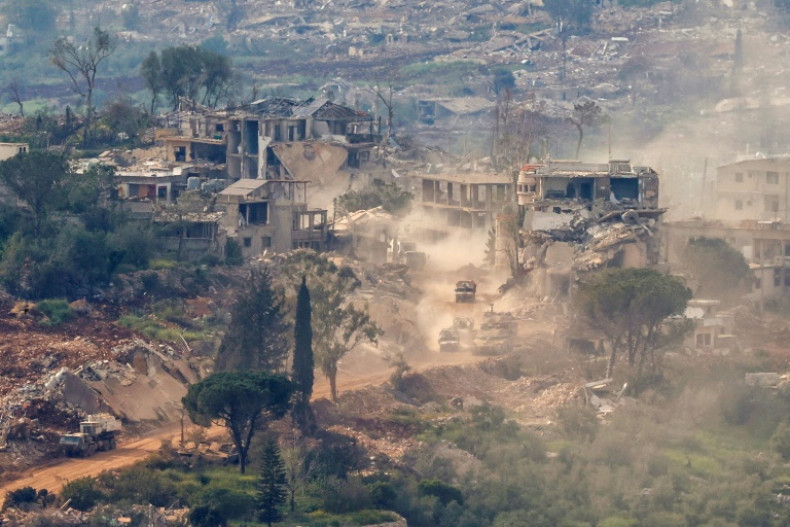
US and Israel sign ceasefire ending 40-day war with Iran in the Middle East — Source: bangkokpost
The current status of developments in the war in the Middle East reflects a fragile ceasefire following the 40-day conflict, with ongoing monitoring of the situation as per latest reports.[1][3] Bangkok Post coverage repeatedly titles its updates "War in the Middle East: latest developments," signaling that events continue to unfold dynamically.[1][3]
This status encompasses the post-ceasefire phase, where Pakistan's facilitation has held the line against resumption of hostilities.[2] The sources indicate no immediate breakdowns, but the repetitive "latest developments" phrasing suggests vigilance is required.[1][3] The 40-day war's conclusion marks a pause, not a permanent peace, within the broader Middle East context.[2]
Integrating Dawn's insights, the ceasefire addresses the most recent illegal force but exists amid global wars.[2] Current updates focus on stabilization efforts, diplomatic follow-ups, and potential for renewed tensions.[1][3] The global order's fragility implies that Middle East status remains tentative, with unilateral actions a lingering threat.[2]
Reports emphasize continuity, with "latest developments" implying incremental reporting on ceasefire adherence and party statements.[1][3] This section outlines a holding pattern, where Pakistan's role sustains calm post-40 days.[2]
Broader Global Implications
The broader global implications of the war in the Middle East extend to a deteriorating international framework, where the global order is breaking down.[2] Wars erupting in South Asia, Europe, and the Middle East exemplify this trend, with force used unilaterally and in utter disregard for international law.[2]
Dawn articulates: "WITH the global order breaking down, wars have erupted in various parts of the world — especially in South Asia, Europe and now the Middle East. Force is being used against adversaries unilaterally with utter disregard for international law."[2] The 40-day war serves as a microcosm, its illegality mirroring worldwide patterns.[2] This breakdown erodes institutions like the UN, fostering an environment of self-help through military means.
Implications include heightened risks of contagion, where Middle East escalations influence South Asian or European theaters.[2] Pakistan's diplomacy offers a counter-model, but unilateralism dominates.[2] Economically and strategically, these wars strain resources, alter alliances, and challenge norms.
The disregard for law normalizes aggression, potentially emboldening actors elsewhere.[2] Contextualizing within sources, the Middle East war amplifies global instability, calling for renewed multilateralism.[1][2][3]
Key Facts and Analysis
Drawing from the core elements reported, key facts reinforce the narrative: wars have proliferated globally, the 40-day US-Israel-Iran conflict marked escalation, Pakistan drove the ceasefire, and international law faces contempt.[2] This additional analysis synthesizes these, highlighting patterns.
The global order's collapse manifests in regional hotspots, with the Middle East's recent war as exemplar.[2] Unilateral force's rise threatens stability, as seen in the 40-day engagement.[2] Pakistan's proactive stance provides hope, facilitating talks.[2] Integrating latest developments, facts point to a pivotal moment.[1][3]
What to watch next: Continued adherence to the ceasefire brokered by Pakistan, potential for high-powered talks to yield lasting agreements, and signs of further unilateral force amid the breaking global order.[2]