
War in Iran Causes Substantial Economic Effects in Sweden
The ongoing war in Iran is causing substantial economic impacts, including lower growth and higher energy prices in Sweden due to disruptions in fuel transport.[1]
Overview of Economic Impacts from the Iran War
The war in Iran, now entering its ninth week, has profoundly altered economic outlooks far beyond the conflict zone, with Sweden experiencing a notable shift in its economic pressures.[1] What began as limited repercussions has escalated to substantial effects after eight weeks of hostilities between Iran and a U.S.-Israel coalition, as articulated by Prime Minister Ulf Kristersson and Finance Minister Elisabeth Svantesson.[1] This progression underscores the interconnectedness of global energy markets, where disruptions in key chokepoints ripple outward to affect even distant economies like Sweden's.
At the core of these impacts are projections of lower overall growth coupled with rising energy prices, directly tied to the war's interference with international fuel supplies.[1] Sweden, heavily reliant on imported energy for transportation and residential heating, faces compounded challenges as these costs climb. The finance minister's statements highlight a scenario where households and businesses alike must contend with elevated expenses, potentially curbing consumer spending and industrial output. This economic drag is not isolated; it mirrors broader global trends where energy volatility dampens investment and trade. In Sweden's context, the transition from limited to substantial effects signals a threshold crossed, prompting governmental acknowledgment of the need for adaptive measures.[1]
The timeline is critical: eight weeks into the war in Iran, the cumulative strain has materialized in tangible forecasts, emphasizing how prolonged conflict amplifies initial shocks into sustained pressures.[1] Analysts within the Swedish administration view this as a pivotal moment, where public finances—described as "fantastic"—provide a buffer against immediate downturns, yet the outlook remains cautious.[1]
Disruptions in Fuel Transport and Their Consequences
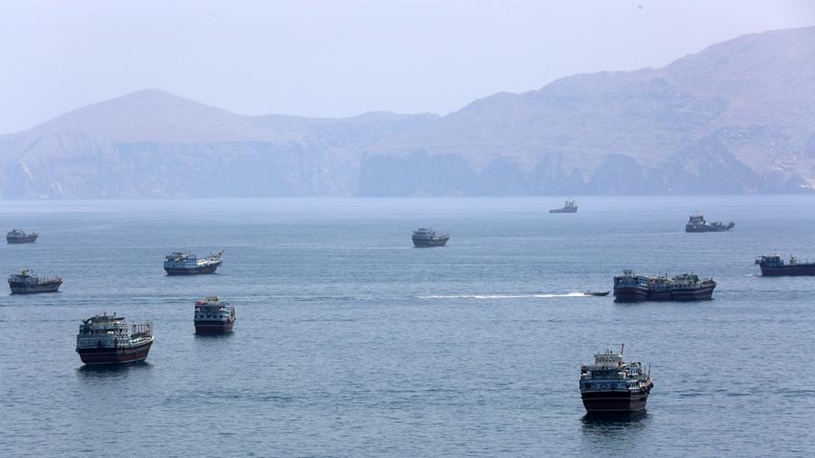
Central to Sweden's economic woes is the severe disruption of fuel transport through the Strait of Hormuz, a vital artery for global oil flows now hampered by the war in Iran.[1] This chokepoint, through which a significant portion of the world's oil passes, has seen interruptions that directly inflate costs for transports and house heating in Sweden.[1] As tankers face delays, rerouting, or heightened risks, the premium on fuel delivery translates into higher prices at pumps and in energy bills across the Nordic nation.
The consequences extend beyond immediate price hikes. Transportation costs, integral to Sweden's export-driven economy, could squeeze margins for logistics firms and manufacturers, potentially slowing goods movement and inflating retail prices.[1] Residential heating, especially critical during Sweden's harsh winters, adds another layer of household burden, where families may see utility bills rise sharply amid already strained budgets. Finance Minister Elisabeth Svantesson's warnings frame this as an inevitable outcome of the eight-week war, with the Strait's blockade-like conditions exacerbating supply shortages.[1]
These disruptions illustrate the fragility of energy supply chains. Even as Sweden diversifies its sources, the sheer volume funneled through Hormuz means alternatives come at a steep cost premium, prolonging the economic ripple effects. The shift to "substantial" impacts after eight weeks reflects not just volume disruptions but also market psychology, where uncertainty drives speculative pricing.[1] For Swedish policymakers, this necessitates balancing short-term relief with long-term resilience, all while monitoring the conflict's evolution.
Environmental Effects of the Conflict
The war in Iran has unleashed visible environmental devastation, with oil spills observable from space, marking a stark consequence of the ongoing hostilities.[2] Satellite imagery has captured these massive slicks, a testament to the scale of damage from disrupted maritime operations in the Strait of Hormuz and surrounding waters.[2] Such spills, resulting directly from conflict-related incidents, pose long-term threats to marine ecosystems, fisheries, and coastal regions in the Persian Gulf area.
Visibility from space underscores the spills' enormity—likely spanning vast areas and involving significant crude volumes released amid attacks on tankers or infrastructure.[2] This environmental fallout compounds the economic toll, as cleanup efforts, if feasible, would demand international resources strained by the war itself. For global observers, these images serve as a grim reminder of how modern conflicts intersect with ecological disasters, potentially affecting biodiversity and water quality for years.
While direct impacts on Sweden remain indirect, the spills contribute to broader energy market instability by deterring shipping and insurance in the region, indirectly sustaining high prices felt in Europe.[1][2] The persistence of such visible pollution highlights the war's multifaceted costs, urging calls for mitigation even amid military priorities.[2]
Military Resource Depletion in the U.S.
The United States has faced significant military strain in the war in Iran, depleting roughly half of its Patriot missile stockpile, according to a CSIS analysis of munitions use.[3] This drawdown, occurring over the conflict's duration, reveals the intensity of defensive operations against Iranian threats, where air defense systems have been heavily engaged.[3]
Patriot missiles, critical for intercepting ballistic and cruise threats, represent a cornerstone of U.S. capabilities in the region. Burning through half the inventory signals not just short-term expenditure but a yearslong rebuild ahead, as production ramps and supply chains struggle to replenish stocks.[3] This depletion could influence U.S. strategy, potentially limiting sustained operations or requiring allied burden-sharing, while exposing vulnerabilities in prolonged engagements.
The CSIS assessment frames this as a critical drain, with implications for future conflicts where missile demands outpace manufacturing.[3] For the broader war effort, it underscores resource asymmetry, where Iran's tactics force high consumption of expensive interceptors. Rebuilding efforts, projected over years, will strain defense budgets and industrial capacity, affecting global security postures.[3]
Government Responses to the War's Effects
Sweden's government has positioned itself to mitigate the war in Iran's economic fallout, emphasizing robust public finances to aid affected households.[1] Prime Minister Ulf Kristersson and Finance Minister Elisabeth Svantesson have assured the public of readiness to act, stating, "People can know that we are on the side of households and we have fantastic public finances, so we can do more."[1]
This stance reflects confidence in fiscal reserves built during peacetime, enabling targeted support like subsidies for energy costs or transport relief without immediate tax hikes.[1] After eight weeks, with effects now "substantial," the administration's proactive tone aims to stabilize sentiment, preventing panic-driven spending cuts.[1] Potential measures could include direct payments, price caps, or efficiency incentives, all grounded in the strong balance sheet.
Such responses highlight Sweden's preparedness model, where preemptive fiscal health allows flexibility amid external shocks.[1] Coordination with EU partners may amplify efforts, ensuring collective bargaining power in energy markets disrupted by the Strait of Hormuz.[1]
What to watch next: Monitor Sweden's public finance deployments for household relief as energy costs rise further from Strait disruptions, alongside U.S. Patriot stockpile rebuild timelines and the persistence of visible oil spills amid the war in Iran.[1][2][3]