
War in Ukraine: Over 7,000 North Korean Troops Killed or Wounded
In the war in Ukraine, a significant development has emerged with reports indicating that over 7,000 North Korean troops have been killed or wounded while supporting Russia's military efforts.[2] This figure, totaling 7,058 North Korean servicemen, underscores the deepening international dimensions of the conflict.[2] Russia has established a global recruitment pipeline that targets vulnerable migrants from more than 130 countries to bolster its forces in the war.[1] Additionally, citizens from 48 countries who fought on Russia's side are now held in Ukrainian captivity.[4] On the Ukrainian side, there are indications that the country may have addressed its challenges with Russian Kinzhal missiles,[3] while also initiating a pilot program for private air defense companies aimed at protecting businesses and critical infrastructure from Russian drones.[5] These elements highlight the evolving dynamics of foreign involvement and defensive strategies in the ongoing war in Ukraine.
North Korean Casualties in the War in Ukraine
The involvement of North Korean troops in Russia's war against Ukraine has resulted in substantial losses, with a reported total of 7,058 servicemen killed or wounded.[2] This casualty figure represents a notable commitment of personnel from North Korea to the conflict, reflecting broader patterns of international support for Russia's military campaign.[2] The exact circumstances surrounding these losses have not been detailed in available reports, but the scale suggests intense combat engagement on the front lines.[2] In the context of the war in Ukraine, such foreign troop deployments illustrate Russia's reliance on allies to sustain its operations amid prolonged fighting.[2] The precision of the number—7,058—indicates tracking by Ukrainian or allied intelligence sources, providing a concrete measure of North Korean sacrifices in the war effort.[2] This development adds to the tally of international casualties, emphasizing how the war in Ukraine has drawn in fighters from distant nations, with North Korea bearing a heavy toll.[2] Analysts note that these losses could impact North Korea's own military readiness, though specific implications remain tied to the reported figures.[2] As the war in Ukraine continues, the role of North Korean forces remains a focal point, with their casualties serving as a stark reminder of the human cost extended beyond European borders.[2]
Overview of Recent War Developments
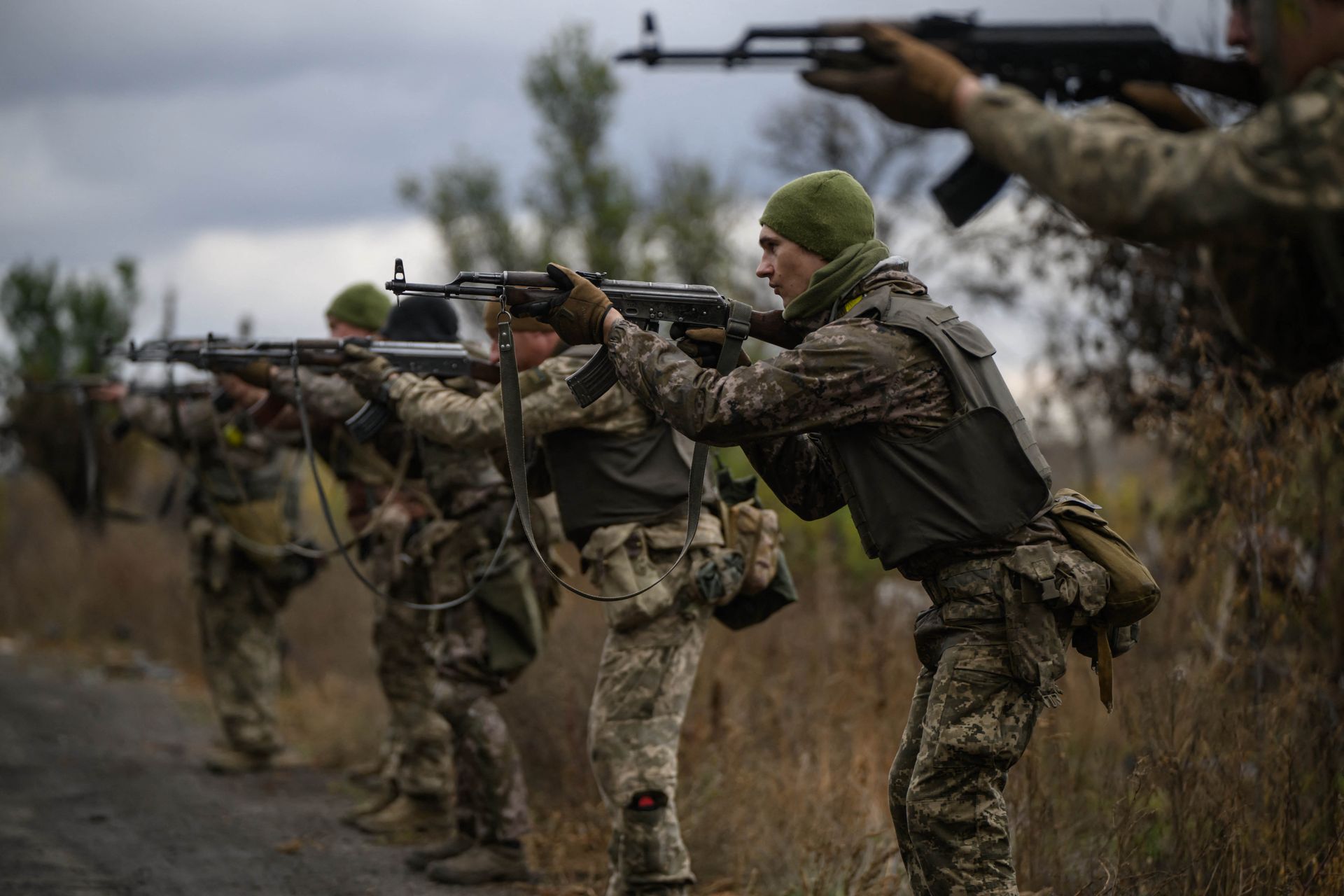
Recent developments in Russia's war against Ukraine encompass critical updates on both foreign troop involvement and Ukrainian countermeasures.[2][3] A key event is the high number of North Korean casualties, with 7,058 troops killed or wounded, highlighting the active participation of Pyongyang's forces on the Russian side.[2] This integration of North Korean servicemen into the conflict marks a significant escalation in external support for Moscow's campaign.[2] Concurrently, Ukraine appears to have made strides in neutralizing one of Russia's advanced weapons: the Kinzhal missile.[3] Reports suggest that Ukraine may have solved its problem with these missiles, potentially through improved interception capabilities or tactical adjustments, though specifics on the methods employed are not outlined.[3] These advancements come amid ongoing aerial threats, setting the stage for shifts in the air defense landscape of the war.[3] Together, these events provide context for the broader trajectory of the conflict, where foreign reinforcements clash with evolving Ukrainian defenses.[2][3] The combination of North Korean losses and potential resolutions to missile threats illustrates the multifaceted nature of recent military engagements.[2][3] As the war progresses, such developments could influence frontline momentum and resource allocation on both sides.[2][3]
{IMAGE_2}
International Involvement in the Conflict
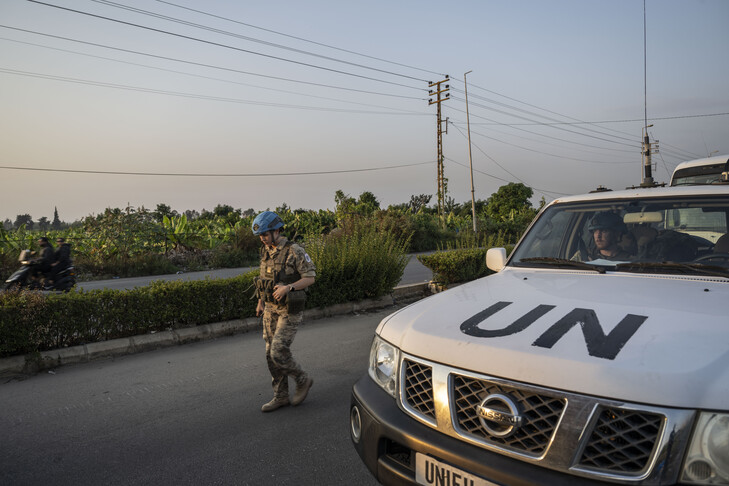
Foreign participation on Russia's side in the war against Ukraine has intensified, marked by both recruitment efforts and documented casualties.[1][2][4] North Korea's contribution stands out, with over 7,000 troops—specifically 7,058—killed or wounded, demonstrating the depth of Pyongyang's military alignment with Moscow.[2] This level of involvement underscores how Russia is drawing on international allies to maintain its fighting capacity.[2] Complementing this, human rights groups have reported that Russia has built a global recruitment pipeline targeting vulnerable migrants from over 130 countries.[1] These recruitment drives aim to enlist tens of thousands of individuals, exploiting economic vulnerabilities to fill ranks depleted by attrition in the war.[1] Furthermore, the presence of foreign fighters is evident in Ukrainian captivity records, where citizens from 48 countries who fought for Russia are currently detained.[4] This diverse group reflects the wide net cast by Russian recruiters, pulling in personnel from various nations to support operations in Ukraine.[1][4] The interplay of state-allied troops like those from North Korea and migrant recruits paints a picture of Russia's multifaceted strategy to internationalize its war effort.[1][2] Casualties among these foreign elements, particularly the substantial North Korean losses, highlight the risks borne by participants.[2] As Russia sustains its campaign, the reliance on such external forces continues to shape the conflict's international profile.[1][2][4]
Ukrainian Defensive Measures
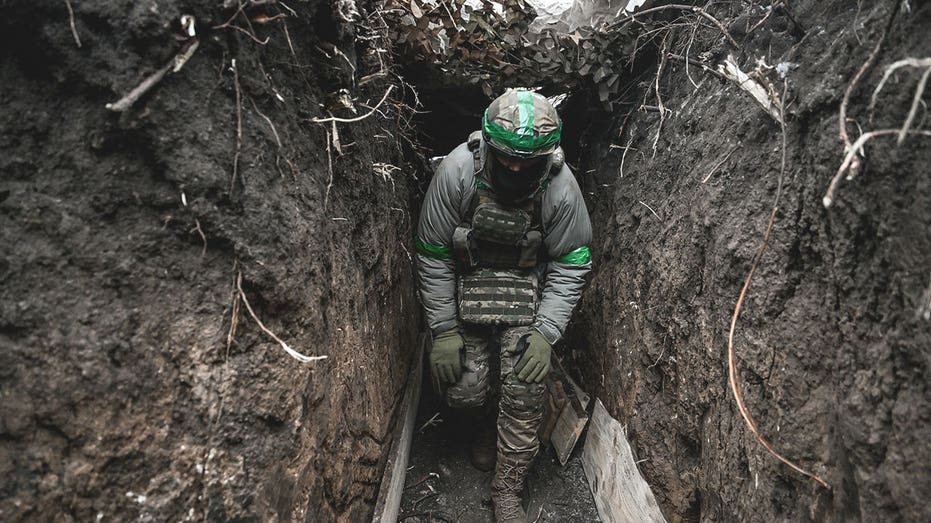
Ukraine has implemented innovative strategies to counter Russian aerial threats in the war, focusing on both high-end missiles and persistent drone attacks.[3][5] A potential breakthrough involves the Kinzhal missiles, with indications that Ukraine may have solved its problem with these weapons.[3] This development could stem from enhanced air defense systems or intelligence gains, reducing the effectiveness of one of Russia's hypersonic assets in the conflict.[3] Parallel to this, Ukraine has launched a pilot program for private air defense companies, designed to protect businesses and critical infrastructure from Russian drones.[5] Initiated last year, the program allows industrial firms to establish their own air defense groups, with 20 companies already participating.[5] This private sector involvement addresses the strain on national defenses amid nightly drone incursions that darken Ukrainian skies.[5] By decentralizing air protection, Ukraine aims to safeguard economic assets and key facilities, ensuring continuity in war-affected areas.[5] The dual approach—tackling Kinzhal missiles and organizing private defenses—demonstrates adaptive measures tailored to specific Russian tactics.[3][5] These efforts reflect Ukraine's resourcefulness in maintaining resilience against evolving threats in the prolonged war.[3][5]
{IMAGE_3}
Captured Personnel from Foreign Nations
Ukrainian forces hold citizens from 48 countries who fought on the side of Russia, providing direct evidence of widespread international recruitment in the war.[4] These individuals, currently in captivity, represent a broad spectrum of nationalities drawn into the conflict through Russian enlistment efforts.[4] The diversity—spanning 48 nations—illustrates the global reach of Moscow's mobilization strategies, which have pulled in fighters beyond traditional allies.[4] While specifics on the captives' backgrounds or capture circumstances are not detailed, their presence in Ukrainian custody confirms active combat roles alongside Russian troops.[4] This situation aligns with reports of a recruitment pipeline targeting migrants from over 130 countries, suggesting that many captives may originate from vulnerable migrant populations.[1][4] The detention of such a varied group underscores the challenges Russia faces in integrating foreign personnel, some of whom end up as prisoners.[4] In the broader context of the war, these captures serve as leverage and intelligence assets for Ukraine, potentially revealing more about recruitment networks.[4] The figure of 48 countries emphasizes the internationalization of the battlefield, where foreign fighters contribute to but also suffer the consequences of Russia's campaign.[4]
Broader Recruitment Strategies by Russia
Russia's approach to sustaining its military in the war against Ukraine includes a sophisticated global recruitment pipeline focused on vulnerable migrants.[1] Human rights groups allege that this network targets individuals from over 130 countries, enlisting tens of thousands to fight on the front lines.[1] By exploiting economic hardships and migration flows, Russia builds a steady influx of personnel to offset domestic shortages.[1] This strategy extends beyond state allies like North Korea, encompassing a wide array of nationalities, as evidenced by captives from 48 countries in Ukrainian hands.[1][4] The scale—over 130 countries—demonstrates an unprecedented effort to globalize recruitment, turning the war into a magnet for international combatants.[1] Vulnerable migrants, often facing limited options, form the core of this pipeline, with promises of pay or residency potentially luring them into service.[1] The effectiveness of this method is apparent in the presence of foreign fighters, including those now detained, highlighting both successes and risks for Russia.[1][4] As the war persists, this recruitment model continues to fuel operations, intertwining global migration patterns with the Ukrainian battlefield.[1]
What to watch next includes further updates on North Korean troop deployments and casualties,[2] progress in Ukraine's Kinzhal countermeasures,[3] and expansions of the private air defense pilot program amid ongoing drone threats.[5]