
Venezuela's Political Upheaval: Maduro Deposed Amid US Raid, Cuban Losses, and Emerging Oil Ties
Caracas, Venezuela – The dramatic ousting and arrest of Venezuelan President Nicolás Maduro has thrust the oil-rich South American nation into a new era of geopolitical realignment, marked by a reported U.S. raid in the capital, the deaths of Cuban agents defending the leader, and signals of thawing U.S.-Venezuela relations including potential embassy reopening and a major oil deal announced by President Donald Trump.
On January 9, 2026, Venezuelan authorities confirmed the arrest of Maduro, described in reports as a "deposed" leader. The operation, which a former Trump adviser claimed involved a U.S. raid aimed at abducting the president, resulted in significant casualties. Cuban Foreign Minister Bruno Rodriguez Parrilla attended a memorial event in Venezuela honoring 32 agents from the Cuban Communist Party who were killed while defending Maduro during the arrest. This incident underscores the deep alliances between Maduro's regime and Havana, which has provided intelligence and security support to Caracas for years amid U.S. sanctions and opposition challenges.
The U.S. action comes amid heightened tensions, including a reported overture from Russia just days earlier on January 6. According to a former adviser to President Trump, Moscow offered Washington a "free hand" in Venezuela in exchange for concessions on Ukraine. While unconfirmed in official channels, the claim highlights Russia's longstanding role as Maduro's key backer, supplying military aid and diplomatic cover since the disputed 2018 Venezuelan elections.
President Trump, speaking on January 9, signaled a pragmatic shift in U.S. policy toward the post-Maduro landscape. "We're open for business" on Venezuelan oil, he declared, announcing that the United States would refine and sell up to 50 million barrels of Venezuelan crude under a new arrangement with the interim Venezuelan government. This deal follows the lifting of certain sanctions that had crippled Venezuela's petroleum industry, one of the world's largest reserves, responsible for over 90% of the country's exports. Chevron and other U.S. firms had previously operated under limited licenses, but Maduro's ouster appears to pave the way for expanded commercial engagement.
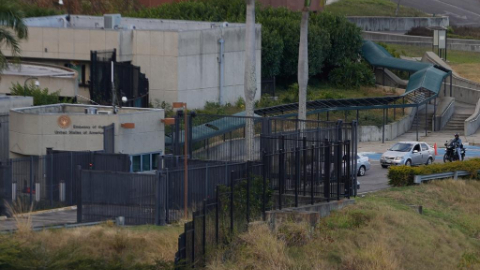
In a further sign of normalization, the U.S. State Department is evaluating the resumption of embassy operations in Caracas, shuttered since 2019 amid deteriorating relations. Xinhua reported on January 10 that U.S. officials are assessing security and logistical conditions for reopening the diplomatic mission, which could facilitate direct engagement with Venezuela's transitional authorities.
Background on Venezuela's Crisis
Venezuela's turmoil traces back to 2013, when Maduro succeeded the late Hugo Chávez amid economic decline fueled by collapsing oil prices, mismanagement, and U.S.-led sanctions over human rights abuses and electoral fraud. The 2018 presidential election, widely rejected internationally, prompted the U.S. and over 50 nations to recognize opposition leader Juan Guaidó as interim president in 2019. Russia, China, Cuba, and Iran countered with support for Maduro, including military deployments and loans totaling billions.
The July 2024 elections exacerbated divisions, with opposition claims of victory rejected by Maduro's government, leading to protests and international condemnation. Maduro's resilience relied on alliances with Moscow and Havana, but recent shifts—including alleged backchannel deals—appear to have eroded that support. Cuba's involvement, via its General Directorate of Intelligence, has been pivotal, embedding agents in Venezuelan security apparatus since the Chávez era.
Regional and Global Implications
The Cuban memorial highlights fissures in Latin America's socialist bloc. Havana's presence at the event reaffirms ideological solidarity, yet the loss of 32 agents represents a rare public acknowledgment of its operational footprint in Venezuela. For the U.S., the raid—if confirmed—marks an escalation reminiscent of past covert actions, though Trump framed subsequent moves in economic terms, prioritizing energy security amid global supply concerns.
Russia's purported offer fits into broader great-power competition. Moscow has viewed Venezuela as a strategic foothold in the Western Hemisphere, hosting Wagner Group mercenaries and S-300 air defenses. Trading influence there for Ukraine leverage could signal concessions in ongoing negotiations, though Kremlin spokespeople have not commented.
As Venezuela navigates this transition, questions linger over the interim government's stability, oil revenue distribution, and Maduro's fate. The U.S. embassy review suggests cautious optimism for diplomacy, but risks of unrest persist in a nation grappling with hyperinflation, mass migration—over 7.7 million Venezuelans have fled since 2014—and humanitarian crises.
Looking ahead, the oil arrangement could inject billions into Venezuela's economy while bolstering U.S. refining capacity strained by domestic production limits. However, opposition factions and Maduro loyalists, including Chavistas in the military, may challenge the new order. International observers, including the UN and OAS, urge inclusive elections to legitimize the power shift.
This confluence of events positions Venezuela at a geopolitical crossroads, with U.S. engagement potentially reshaping alliances in the Americas.
(Word count: 712)






