Venezuela Earthquake Death Toll Rises to 4,734 as Aftershocks Continue
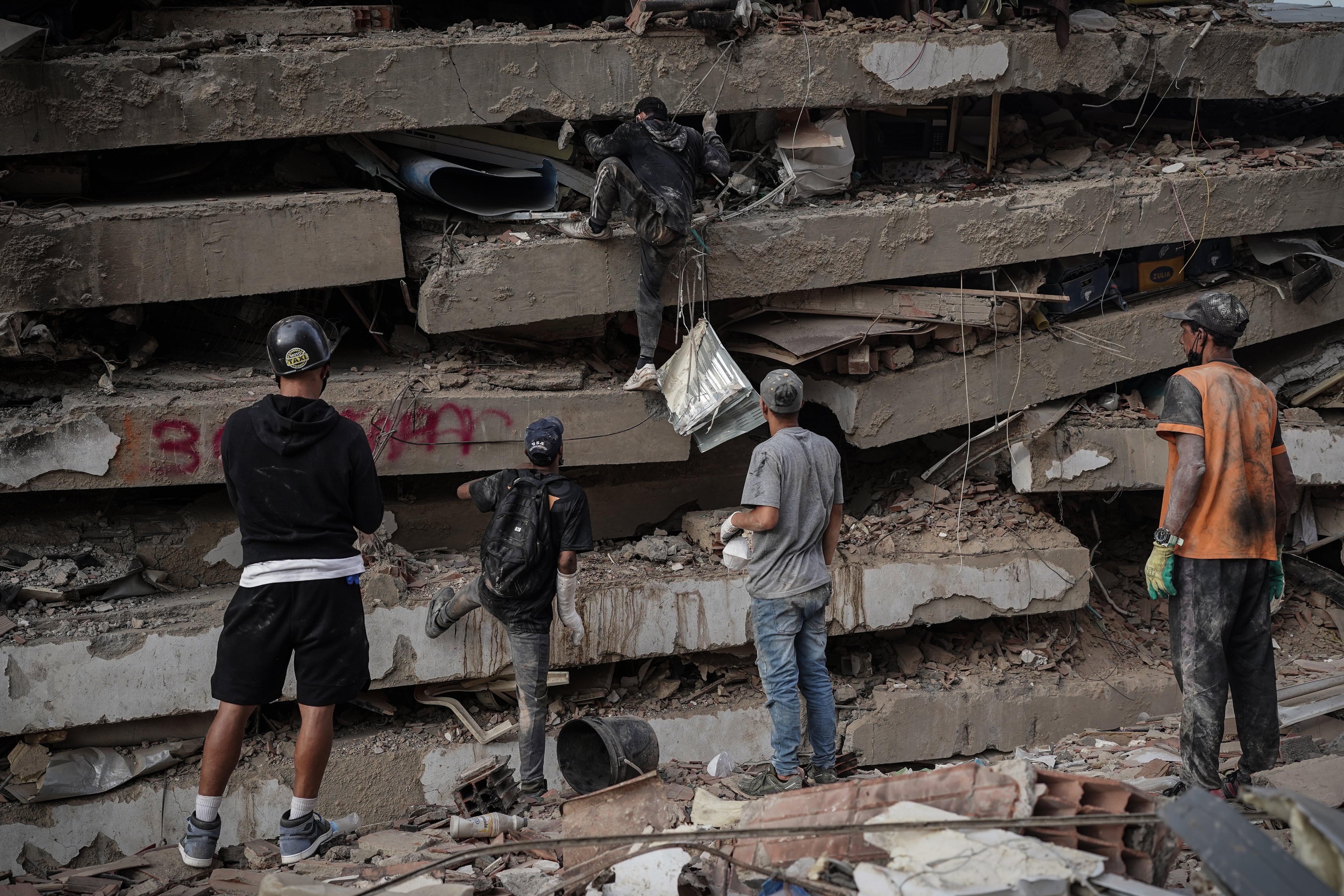
The death toll from the twin earthquakes that struck northern Venezuela on June 24 has risen to 4,734 after authorities confirmed 173 additional fatalities, with 16,740 people injured and nearly 18,000 left homeless. The Venezuela earthquake has left widespread destruction across affected regions, prompting ongoing assessments of damage and needs.
Rising Death Toll and Casualties
The number of fatalities from the double earthquake that struck northern Venezuela on June 24 has increased to 4,734 after officials confirmed 173 new deaths. [1] Authorities continue to report 16,740 people injured from the events. [1] Nearly 18,000 people are homeless as a direct result of the Venezuela earthquake. [2] More than 20,900 people remain in 107 temporary shelters. [1] A total of 17,907 people lost their homes. [1] Officials have assisted 128,324 families since the disaster began. [1] Medical care has been provided to 33,652 patients. [1] The Venezuelan government has stated that the earthquakes destroyed 190 buildings and damaged over 850. [2] These figures reflect the scale of impact reported by authorities following the June 24 events. [2]
Ongoing Seismic Activity
Since the twin earthquakes on June 24, authorities have recorded 1,275 aftershocks. [1] The most recent significant tremor was a magnitude 3.9 event near Naiguatá in La Guaira state. [1] This aftershock occurred about 10 kilometers northeast of Naiguatá and led to new evacuations in buildings. [1] The ongoing seismic activity has kept Venezuelan authorities on alert and renewed concerns among residents about potential further tremors. [1] The Venezuela earthquake sequence continues to produce aftershocks that affect recovery operations in the hardest-hit areas.
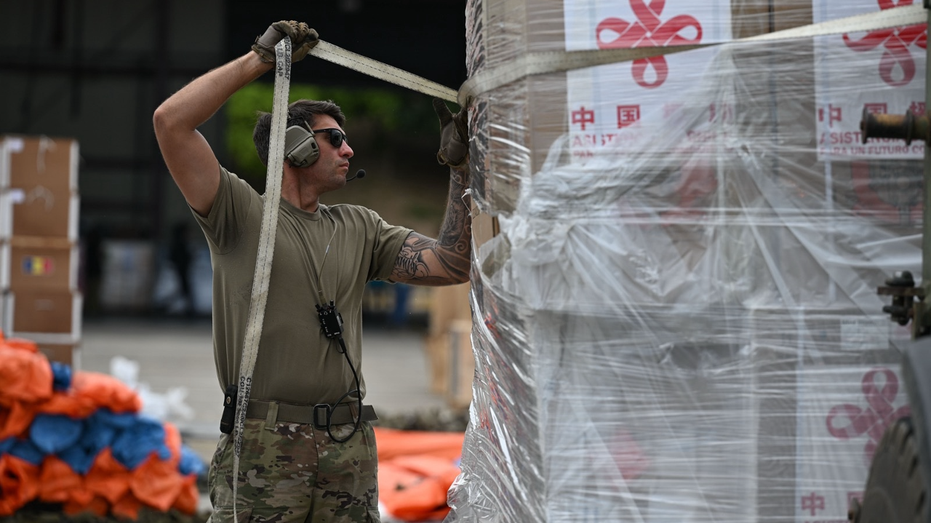
US troops unload aid from China's flight after deadly earthquakes in Venezuela. — Source: foxnews
Government Response and Reconstruction Plans
The Venezuelan government has launched a biometric census to identify affected families and assess housing needs. [1] Preliminary estimates indicate a requirement for up to 25,000 new housing units as part of reconstruction efforts. [1] Officials have provided assistance to 128,324 families and medical attention to 33,652 patients. [1] More than 20,900 people are housed in 107 temporary shelters across Caracas and the most affected states. [1] The government has emphasized progress on a reconstruction plan for communities impacted by the Venezuela earthquake. [1] These measures aim to address the immediate housing crisis and support long-term recovery.
U.S.-Led International Aid Efforts
The United States has led the international response by repairing Simón Bolívar International Airport after runway damage from the earthquakes. [2] U.S. forces have moved more than 1.5 million pounds of assistance into Venezuela since June 24. [2] American service members unloaded China's only known aid flight, which arrived on July 6 carrying tents and generators. [2] The U.S. government has committed more than $386 million in financial assistance channeled through partner organizations. [2] Florida-based Global Empowerment Mission has shipped nearly 1 million pounds of aid, including over 38,000 hygiene kits, more than 27,000 tents and tarps, and 48 generators. [2] The nonprofit plans to deliver 100,000 boxes of supplies monthly for the next three to six months. [2] U.S. search and rescue teams deployed more than 300 personnel across the country in late June. [2] These efforts have focused on rapid distribution while coordinating with international partners to ensure supplies reach those in need.
Caricom and Regional Humanitarian Support
Caricom nations including Trinidad and Tobago, Guyana, and Haiti sent 88 containers of supplies, medical teams, and a field hospital. [3] The shipments were coordinated and loaded from Guyana. [3] Haiti contributed 35 doctors along with a field hospital. [3] Acting President Delcy Rodríguez publicly thanked regional leaders, including the prime ministers of Trinidad and Tobago, Barbados, St. Kitts and Nevis, St. Vincent and the Grenadines, Belize, St. Lucia, Antigua, and Dominica, as well as the presidents of Guyana and Suriname. [3] Rodríguez stated through an interpreter that the assistance demonstrated strong bonds of friendship across the Caribbean. [3] She expressed being deeply moved by the coordinated regional response and noted that Venezuela and Haiti share a historical commitment to mutual support. [3] The aid reflects ongoing cooperation among Caricom members despite prior diplomatic tensions. [3]
Health Sector Recovery Challenges
The health response in Venezuela has entered an early recovery phase nearly three weeks after the earthquakes. [3] The focus has shifted to restoring essential health services, strengthening referral networks, and preventing secondary public health emergencies. [3] The earthquakes damaged 38 health facilities. [3] The Pan American Health Organization continues to support the Ministry of Health through technical cooperation and coordination of the Health Cluster, which includes 110 organizations. [3] Emergency medical care and rapid assessments helped save lives in the immediate aftermath, but priorities now include rehabilitating damaged facilities and ensuring continued access to essential care. [3] PAHO’s Situation Report and Public Health Situation Analysis guide these ongoing efforts to transition from emergency response to sustained recovery.
What to watch next is the continued biometric census for housing allocation, further aftershock monitoring that may prompt additional evacuations, and the monthly delivery targets set by partner groups for sustained aid distribution.