
Venezuela Earthquake Death Toll Reaches 4,336 as EU Adds €20 Million in Aid
Reporting based primarily on globalvoices.org.
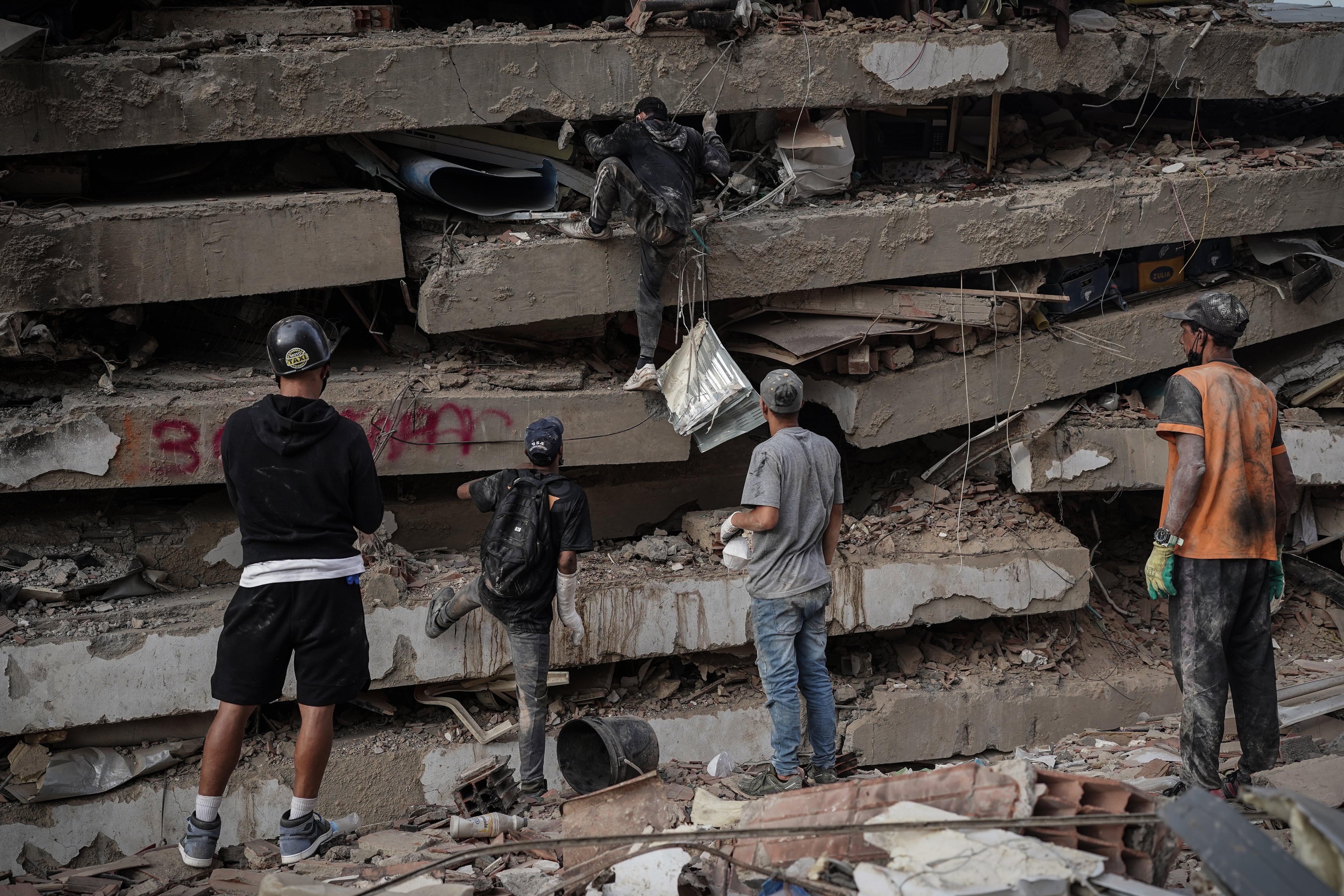
The European Union has provided an extra €20 million in aid to Venezuela following the devastating Venezuela earthquake of June 24, 2026, which have resulted in 4,336 deaths, 16,740 injuries, 19,000 displaced people, and at least 20,000 missing. [1]
Overview of the Twin Earthquakes
The earthquakes consisted of a rare seismic doublet with magnitudes of 7.2 and 7.5 striking just 39 seconds apart on the San Sebastián fault, part of the boundary between the Caribbean and South American tectonic plates. [4] The first earthquake started on the Boconó Fault in the Los Andes area and triggered the second one on the San Sebastián Fault. [4] The tremors were detected in Brazil, Colombia, and the Caribbean. [4] The area is known to experience earthquakes like this roughly once a century as the plates’ horizontal interaction presses them against each other, building up energy over time until it is suddenly released. [4] At a depth of 20.3 km for the first and only 12 km for the second, they were shallow-focused earthquakes. [4]
Human Toll and Displacement
The death toll currently stands at 4,336 deceased, 16,740 wounded and 19,000 displaced. [4] At least 20,000 remain disappeared. [4] The destruction caused by Venezuela’s recent earthquakes, considered the nation’s most destructive and deadly since 1900, cannot be explained by magnitude alone. [4] It also resulted from the interaction of geological conditions, structural vulnerabilities, and a prolonged social and economic crisis that has weakened the country’s ability to prepare for and withstand natural hazards. [4]
{IMAGE_2}
Geological and Urban Vulnerabilities
Since nearly all of the country’s fault activity is concentrated along its northern coast, Caracas and La Guaira sit at the epicenter of Venezuela’s seismic risk. [4] The same region that holds 80 percent of the population also marks the boundary between the Caribbean and South American tectonic plates. [4] La Guaira’s coastline sits right across from the San Sebastián Fault, where the two plates grind slowly past each other in opposite directions, running just offshore, roughly parallel to the coast. [4] The rupture from the seismic doublet occurred close to this coastal edge. [4] Much of La Guaira itself rests on fluvial cones. [4] These shallow layers of loose sediment, deposited by rivers over time, acted like a filter that dramatically intensified ground motion. [4] After the 1999 Vargas Tragedy, Japanese and Venezuelan researchers conducted geological surveys and seismic investigations, and created hazard maps to identify the most vulnerable areas along the northern coast. [4] La Guaira was highlighted as a high-risk area in several of the severely impacted zones in the 2026 earthquakes. [4] A later study, the Caracas Seismic Microzoning Project (2005-2009), analyzed soil conditions, seismic activity, and expected earthquake impacts across the capital, identifying areas at greater seismic risk. [4]
Exacerbating Social and Institutional Factors
The earthquake also struck a country facing a prolonged humanitarian emergency. [4] Since 2014, Venezuela has experienced one of the deepest economic and social crises in Latin America’s modern history, with widespread shortages, the mass migration of nine million people, declining public services, and a dramatic reduction in state capacity. [4] Amidst this long-standing humanitarian emergency, Venezuela’s public health system faced the disaster with serious deficiencies. [4] Due to migration, many hospitals have struggled for years with shortages of medicines, equipment, reliable electricity, running water, and specialized personnel. [4] Economic collapse has also reduced the capacity of households, businesses, and governments to maintain the built environment. [4] Years of underinvestment have also weakened Venezuela's capacity to prepare for and respond to earthquakes. [4] Institutions such as FUNVISIS, responsible for monitoring seismic activity, conducting hazard research, maintaining seismic networks, and promoting preparedness and public education, have faced persistent budgetary and operational constraints. [4] Similar challenges have affected civil protection and municipal fire departments, many of which have shortages of personnel, equipment, vehicles, communications systems, and emergency supplies. [4]
{IMAGE_3}
Concerns Over Housing Quality and Corruption
The tragedy also raises questions about the quality of some social housing developments in La Guaira, constructed since Hugo Chávez Frías’ presidency. [4] Investigations by Armando.info have documented allegations of corruption, cost overruns, poor construction practices, and weak oversight in certain public housing projects developed over the past two decades. [4] These investigations describe projects where, despite substantial public investment, construction quality and engineering standards may have been compromised. [4] Such concerns are particularly significant in La Guaira because engineering solutions must account for difficult ground conditions, including unstable slopes and soft sediments. [4]
International Aid Response
The European Union has provided extra €20 million in aid for Venezuela after the earthquake. [1] The Straits Times reported that the EU provides extra €20 million in aid for Venezuela after the earthquake. [2] Additional reporting confirmed the EU provides extra €20 million in aid for Venezuela after the earthquake. [3]
What to watch next: Citizens lead relief efforts after major twin quakes in Venezuela amid ongoing shortages in official emergency services.