Venezuela Earthquake Death Toll Rises Above 3,300 with Thousands Missing
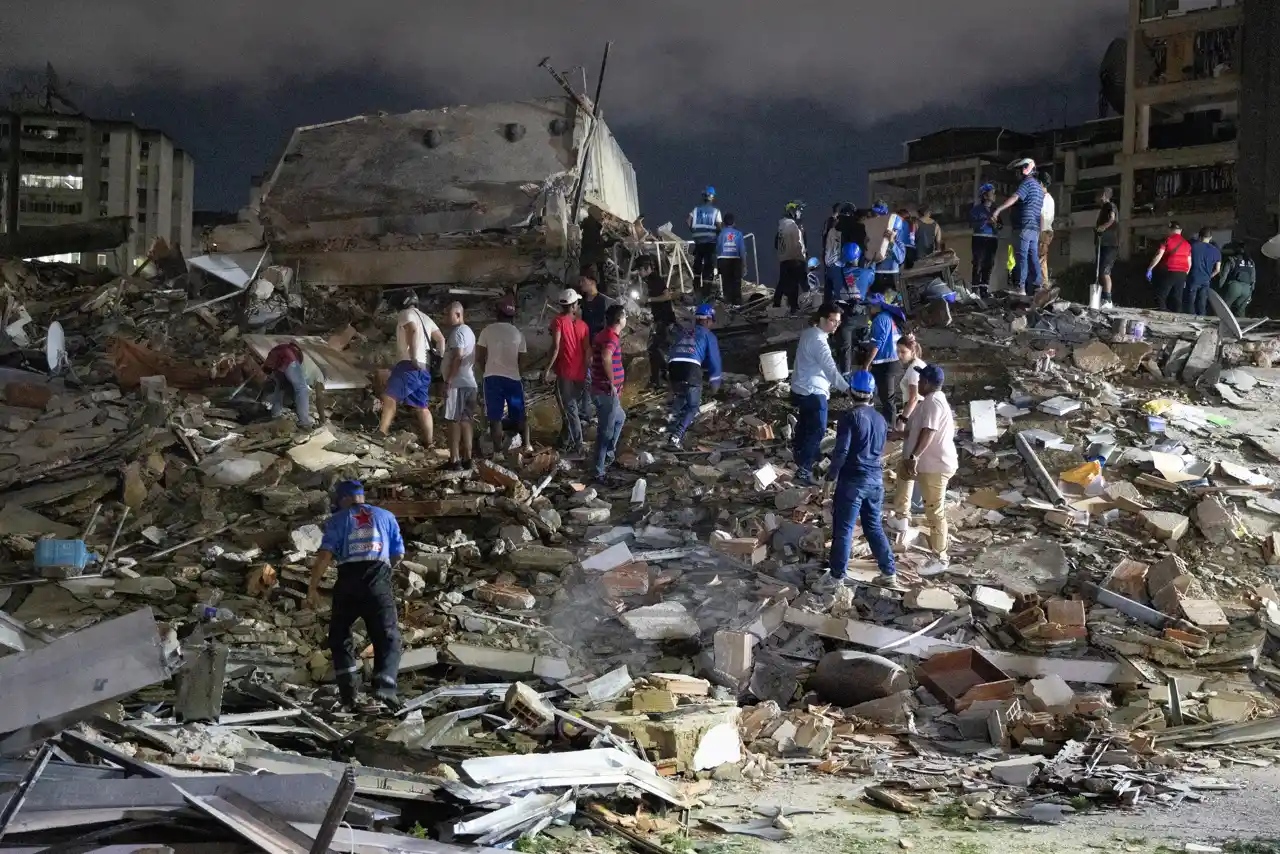
The Venezuela earthquake that struck on June 24 has produced a death toll above 3,300, with thousands of people still missing according to official reports. [3] The two powerful quakes rank as the worst seismic event in the country in more than a century. [2]
Overview of the June 24 Earthquakes
The Venezuela earthquake of June 24 produced a confirmed death toll that has risen above 3,300. [3] A separate tally placed the number of confirmed dead at 3,342. [4] Thousands of people remain missing in the aftermath. [3] The quakes caused the collapse of an 11-story residential building in the coastal state of La Guaira. [2] This event stands as the worst of its kind in Venezuela in more than a century. [2]
Government Response and Statements
Interim president Delcy Rodríguez stated that widespread citizen solidarity exists across the country and that Venezuela will not descend into unrest. [3] Rodríguez defended the government response by noting that thousands of officials were deployed to the affected area. [3] The interim president also announced the creation of a new military unit tasked with assisting in emergencies and disasters. [3] Many Venezuelans have voiced criticism of the government actions following the Venezuela earthquake. [3]
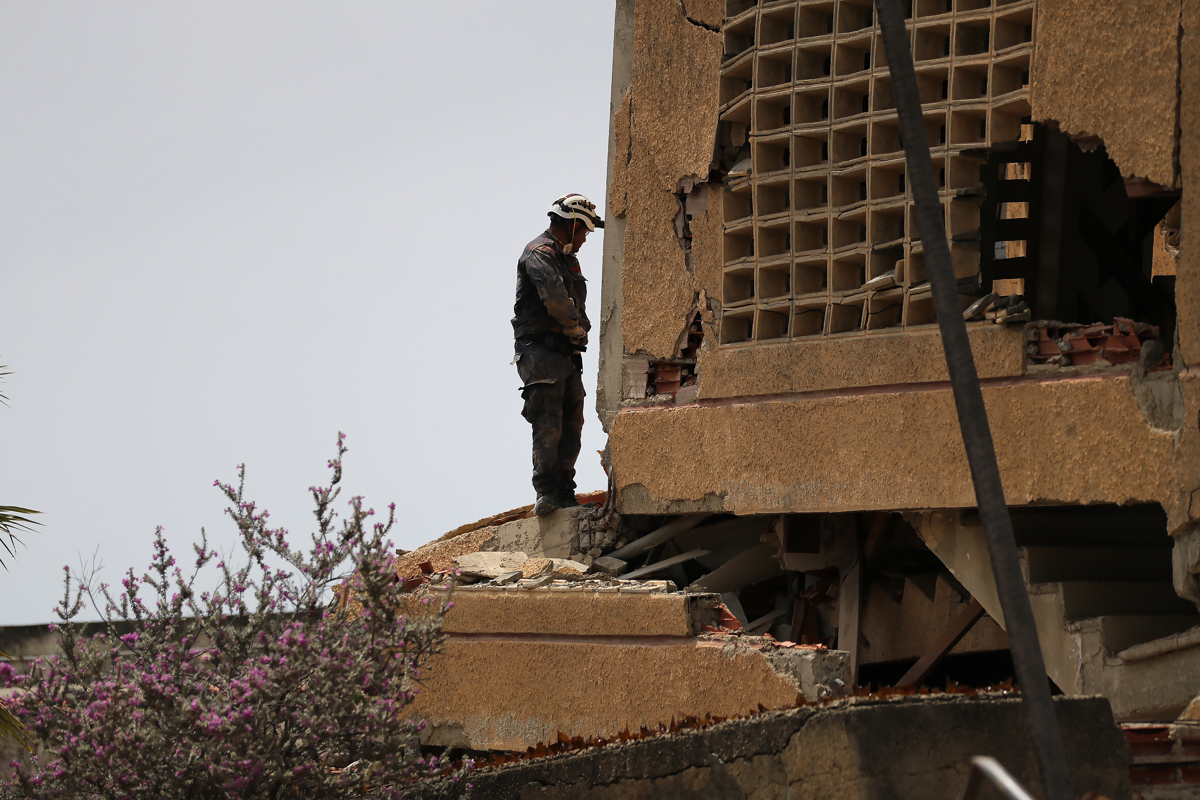
Two sisters survived the destruction of their home in the Venezuela earthquake. — Source: gdelt
Survivor Account from La Guaira
Two sisters named Hana and Livana Rondón survived the collapse of their 11-story building in La Guaira by following instructions given by their father Carlos Rondón. [2] Before leaving for the supermarket, Carlos Rondón told his 13-year-old daughter to shelter next to the column near the balcony if an earthquake occurred. [2] When the Venezuela earthquake struck shortly after 6:00 p.m., Livana guided her seven-year-old sister Hana to the column as the building began to shake. [2] The column remained standing while the rest of the structure collapsed into rubble. [2] After the main shaking ended, Livana jumped from the broken terrace to the ground one meter below and helped her sister down. [2] A neighbor then escorted the girls on foot to a safe house in the Macuto sector two kilometers from the site. [2] Their parents returned on foot through traffic chaos and searched the debris of their third-floor apartment, where they found an intact plate of fruit that caused the mother to fear the worst until learning the girls were safe. [2]
Regional Seismic Impact and Aftershocks
Seismic activity felt in the Dominican Republic connects directly to the Venezuela earthquake of June 24 through movement along the Caribbean tectonic plate. [1] The plate shift produced instability that has led to subsequent tremors around the edges of the Caribbean region. [1] Director Ramón Delanoy of the National Seismology Center at UASD stated that the entire Caribbean area remains prone to earthquakes because of its tectonic and volcanic origins. [1] He noted that the island of Hispaniola and other Caribbean islands share this origin and have experienced major earthquakes and volcanic eruptions in the past. [1] Evidence includes the 1995 eruption on the island of Montserrat. [1]
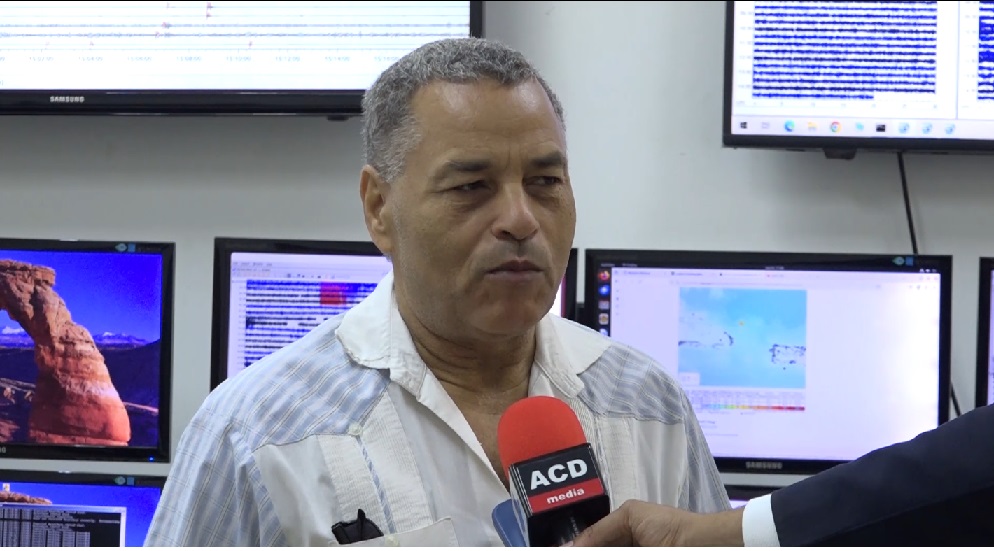
Director of Seismology discusses Venezuela earthquakes felt in the region. — Source: gdelt
Aftershocks and Tectonic Instability
Ongoing tremors in the Dominican Republic and across the Caribbean stem from the instability left by the two Venezuela earthquake events on June 24. [5] Delanoy explained that contacts between plates, even smaller ones, normally produce earthquakes around the borders after a major event. [5] The full Caribbean area has experienced seismic effects from the Venezuelan quakes. [5] Many smaller tremors along the Caribbean plate edge go unnoticed by residents yet register at the seismology center. [5]
Seismologist Advice on Preparedness
Ramón Delanoy urged the public not to panic over the Venezuela earthquake because constant worry can harm health. [1] He recommended staying informed about safety measures to take in the seconds before shaking begins. [1] Delanoy expressed the hope that future tremors would register magnitude 6 or lower so that energy releases without causing major damage. [1] He stressed the need to prepare for a possible earthquake even if one never occurs, drawing an analogy to countries that maintain armies despite hoping never to fight a war. [1] Delanoy clarified that earthquakes do not result from high temperatures, pointing out that major events have happened in winter, including the 2010 Haiti earthquake in January. [1]
Ongoing Regional Monitoring
The Venezuela earthquake and its aftereffects continue to highlight the Caribbean plate's activity, with Delanoy noting that the region will remain seismically active. [5] Authorities and residents are advised to maintain readiness for events up to magnitude 6 to manage energy release safely. [1]
What to watch next: Further tremors linked to Caribbean plate instability may occur, and officials will continue efforts to locate those still missing from the June 24 Venezuela earthquake.