
Venezuela Earthquake Death Toll Climbs to 2,954 with Thousands Still Missing
The Venezuela earthquake of June 24, 2026, began with twin shocks of magnitude 7.2 and 7.5 that struck northern Venezuela, killing at least 2,954 people according to official figures that continue to rise, with thousands more reported missing and over 16,000 injured.
Overview of the Twin Earthquakes
The two major seismic events occurred just 39 seconds apart on June 24, 2026, and have been followed by more than 940 aftershocks. [1] [2] Venezuela and its capital Caracas were shaken by the two strong quakes with only seconds between them, causing buildings to collapse in northern cities. [1] At least seven states were impacted, with La Guaira remaining the hardest hit. [2] The shocks registered magnitudes above 7 and may have been separate events or a single quake with two pulses, though scientists continue to analyze the data. [1]
Casualties and Missing Persons

Situation report graphic details Venezuela earthquake casualties as of July 4 2026. — Source: reliefweb
Fatalities jumped by more than 300 from the previous day to reach 2,954, following the June 24 disaster that has left thousands homeless and sheltering in camps. [3] The United Nations has estimated as many as 50,000 people are unaccounted for. [3] Official reports list 16,592 injured. [2] The government has not provided estimates of the missing, while the death toll and injury figures continue to be updated by authorities. [3]
Geological Context and Comparison to San Andreas Fault
Venezuela lies at the boundary between the South American and Caribbean plates, which slide past each other and can stick before releasing accumulated stress in a sudden rupture. [1] The faults involved are transform faults similar to California's San Andreas fault, with comparable rates of movement averaging about 20 millimeters per year in Venezuela and around 30 millimeters per year along the San Andreas. [1] These systems produce large earthquakes at similar frequencies, with the San Andreas expected on average to generate a magnitude 7 or greater event roughly every 170 years, though intervals vary. [1] The last major quake on the southern San Andreas was the 1857 Fort Tejon event of magnitude 7.9, and recent studies indicate stress along the southern section is now higher than at any point in the last 1,000 years. [1]
Search Rescue and Recovery Efforts

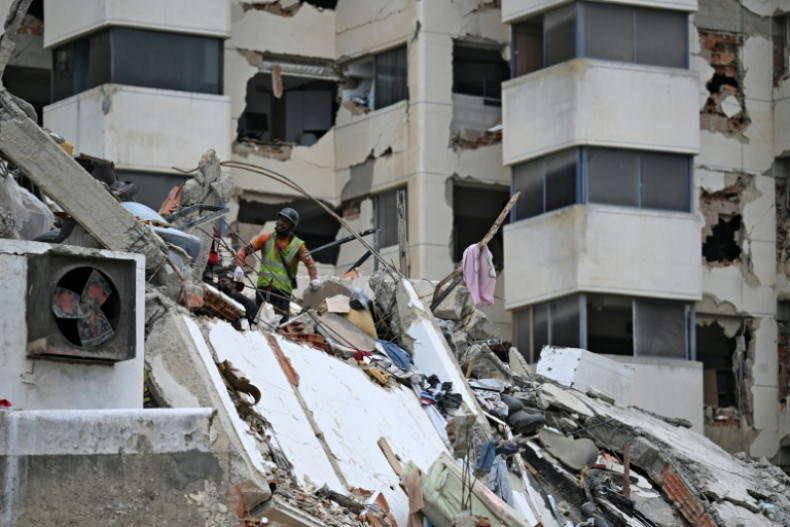
Rescue workers search rubble in La Guaira after the June 2026 Venezuela earthquakes killed nearly 3,000 people. — Source: japantimes
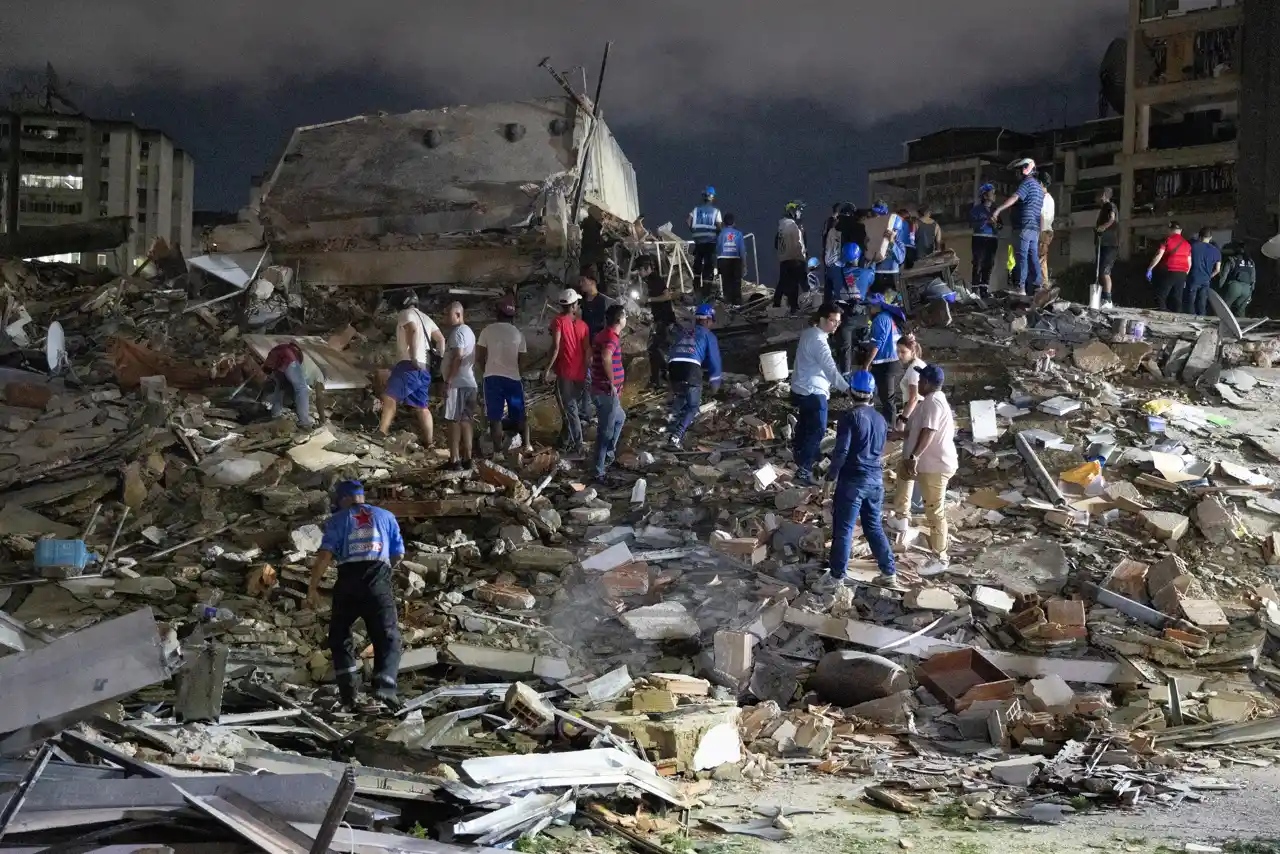
Rescue operations have saved nearly 6,500 people, many by volunteer teams working without sophisticated equipment. [5] International teams, volunteers, and military personnel have conducted operations in collapsed structures, including government housing complexes in La Guaira. [4] Attention has now shifted from possible rescues to recovery of bodies amid the rubble. [4] Brazilian rescuers have participated in search and rescue in Catia La Mar in La Guaira state. [3]
Current Risks and Aftermath Challenges
After the quakes the region faces increased risk of landslides triggered by future rains because the shaking has destabilized rocks. [1] Scientists note that no reliable short-term earthquake precursors have been identified, although early warning systems that detect initial P waves can provide seconds of notice to allow protective actions. [1] Families of the dead continue to seek recovery and identification of loved ones to avoid loss of remains or placement in mass graves. [4] Officials have promised forensic identification for each victim through fingerprints, photographs, and individual files. [4]
Human Stories from the Rubble
Pedro Cordido was trapped for nearly 30 hours in the fetal position after his 12-story building collapsed and was freed by volunteer rescuer Erick Roa after Roa spoke to him for four and a half hours to keep him awake. [5] Cordido watched as his adopted son Hernando and Hernando's wife were pulled into the debris. [5] Victor Colivert stayed with the body of his nephew Oswall after it was recovered from the collapsed OPP 26 and 27 towers in La Guaira, fearing the remains would be lost in the chaos. [4] Mexican soldiers worked to extract the body of 16-year-old Greidy from under a beam while volunteers passed buckets of rubble by hand. [4] Erick Roa, a former military nurse who had survived his own earlier crisis, joined other volunteers using only their hands and a small flashlight to reach survivors in total darkness. [5]
What to watch next: Additional landslides are expected once rains arrive, and recovery operations will continue to focus on body identification while aftershocks remain possible.