US Strikes Venezuela, Captures Maduro in Dramatic Military Operation

Latest from X
US Strikes Venezuela, Captures Maduro in Dramatic Military Operation
In a stunning escalation of tensions, the United States launched a large-scale military strike on Venezuela in the early hours of January 3, 2026, capturing President Nicolás Maduro and his wife, Cilia Flores, in a precision operation in Caracas. The raid, which involved coordinated strikes and special forces, marks one of Washington’s most direct interventions in Latin America in decades. Reports of at least seven explosions rocked the Venezuelan capital, accompanied by sightings of low-flying aircraft, as the US military executed what has been described as a complex extraction mission.
The operation began at approximately 2:01 local time (06:01 GMT) on Saturday, with US forces reportedly cutting power in parts of Caracas, according to international reports. Maduro and Flores were detained at their compound and subsequently flown to the United States, where they face charges related to weapons and drug offenses in New York. US President Donald Trump announced that the US would "run the country" until a "proper" transition of power is established, though no specific timetable for elections or governance has been provided.
Details of the Strike and Immediate Aftermath
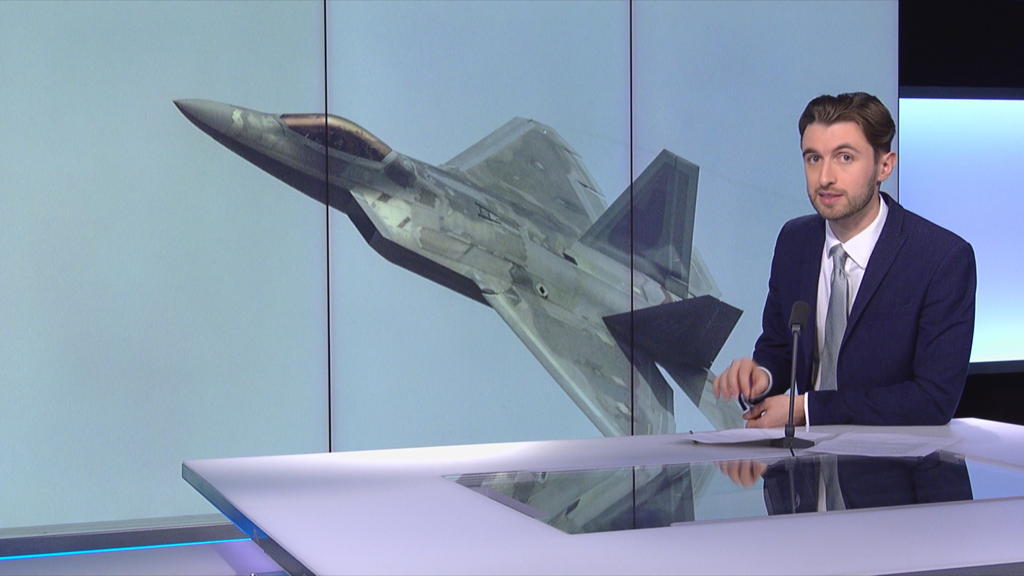
The military operation showcased the scale and coordination of US capabilities, as detailed by France 24. While not reliant on futuristic weaponry, the raid leveraged advanced aircraft, electronic warfare, and cyber tools to disable Venezuelan defenses and secure the capital during the extraction. Residents of Caracas reported chaos in the early hours, with explosions and power outages disrupting the city. Venezuelan Vice-President Delcy Rodríguez condemned the attack, stating the government was prepared to "defend" the nation, though the extent of their capacity to respond remains unclear.
The White House has faced immediate scrutiny for the operation, with accusations of bypassing Congressional approval for such a significant military action, as reported by International Business Times. Legal experts have also raised concerns about the strike’s compliance with international law. Finnish academic Martti Koskenniemi, quoted by Yle News, labeled the US action an "act of aggression," arguing it violates established norms of sovereignty.
Geopolitical Ripples and International Reactions
The strike has sent shockwaves through the international community, prompting varied responses. Analysts suggest the US move could embolden China to reinforce its territorial claims in regions like the South China Sea, though a direct impact on Taiwan remains unlikely, according to Newsmax. The South China Morning Post highlighted potential challenges to China’s influence in Latin America, noting that the revival of a Monroe Doctrine-inspired policy under Trump—dubbed the "Donroe Doctrine"—may deter regional engagement with Beijing.
Russia, a long-time ally of Maduro’s regime, has seen its regional influence questioned following the strike, with some outlets like Berliner Zeitung noting a perceived decline in Moscow’s geopolitical clout. Meanwhile, Ukraine, despite its own tensions with Russia, expressed bitterness over the US focus on Venezuela amid ongoing conflicts elsewhere.
Background: Decades of US-Venezuela Tensions
US-Venezuela relations have been strained for over two decades, rooted in ideological differences and economic disputes. Maduro, who has led Venezuela since 2013 following the death of Hugo Chávez, has faced US sanctions and accusations of authoritarianism, human rights abuses, and involvement in narcotrafficking. The country’s vast oil reserves have long been a point of contention, with Trump explicitly mentioning US oil companies moving into Venezuela post-operation. This intervention echoes historical US actions in the region, such as the 1989 invasion of Panama to capture Manuel Noriega, though the legal basis for the current strike remains under debate, as noted by NBC New York.
Outlook: Uncertainty and Instability Ahead
As Maduro remains detained in New York, questions loom over who will govern Venezuela and how stability can be restored. Trump’s assertion of US control has drawn criticism for lacking clarity on democratic processes or timelines, while the Venezuelan government’s fragmented response suggests potential for further unrest. The international community continues to grapple with the implications of this unprecedented action, with calls for dialogue and adherence to international law growing louder.
Posts on X reflect the global attention on this crisis, with unverified reports and discussions circulating about the explosions in Caracas and Maduro’s capture. The situation remains fluid, and the world watches as Venezuela stands at a critical juncture.
Track this story live
Live World Map
Monitor global events in real time with a live activity map and hotspot summaries.
Global Conflict Map
Follow active conflict zones, strike activity, and emerging geopolitical hotspots.
Current Wars
Track all active wars and armed conflicts happening in the world right now.
Iran War
Track the Iran war in real time with proxy network monitoring, Strait of Hormuz risk, and market impact.
Original Sources
- •
- •Venezuela crisis: how Trump’s ‘Donroe’ doctrine could challenge China’s Latin America ties— South China Morning Post
- •
- •
- •Venezuela Strikes Confirmed as White House Faces Accusations of Bypassing Congress— International Business Times
- •
- •
- •
Editorial process: This article was synthesized from the original sources cited above using The World Now's AI editorial system, with byline accountability from our editorial team. We grade every story for source grounding, factual coherence, and on-topic match before publication. Read more about our editorial standards and contributors. Spot something inaccurate? Let us know.
Last updated: January 17, 2026






