
U.S. Strikes Venezuela, Captures Maduro Amid Escalating Tensions and International Condemnation
The United States launched a major military operation in Venezuela on January 3, 2026, capturing President Nicolás Maduro and his wife in a precision strike on Caracas, prompting fierce domestic political backlash and warnings of global repercussions from analysts.
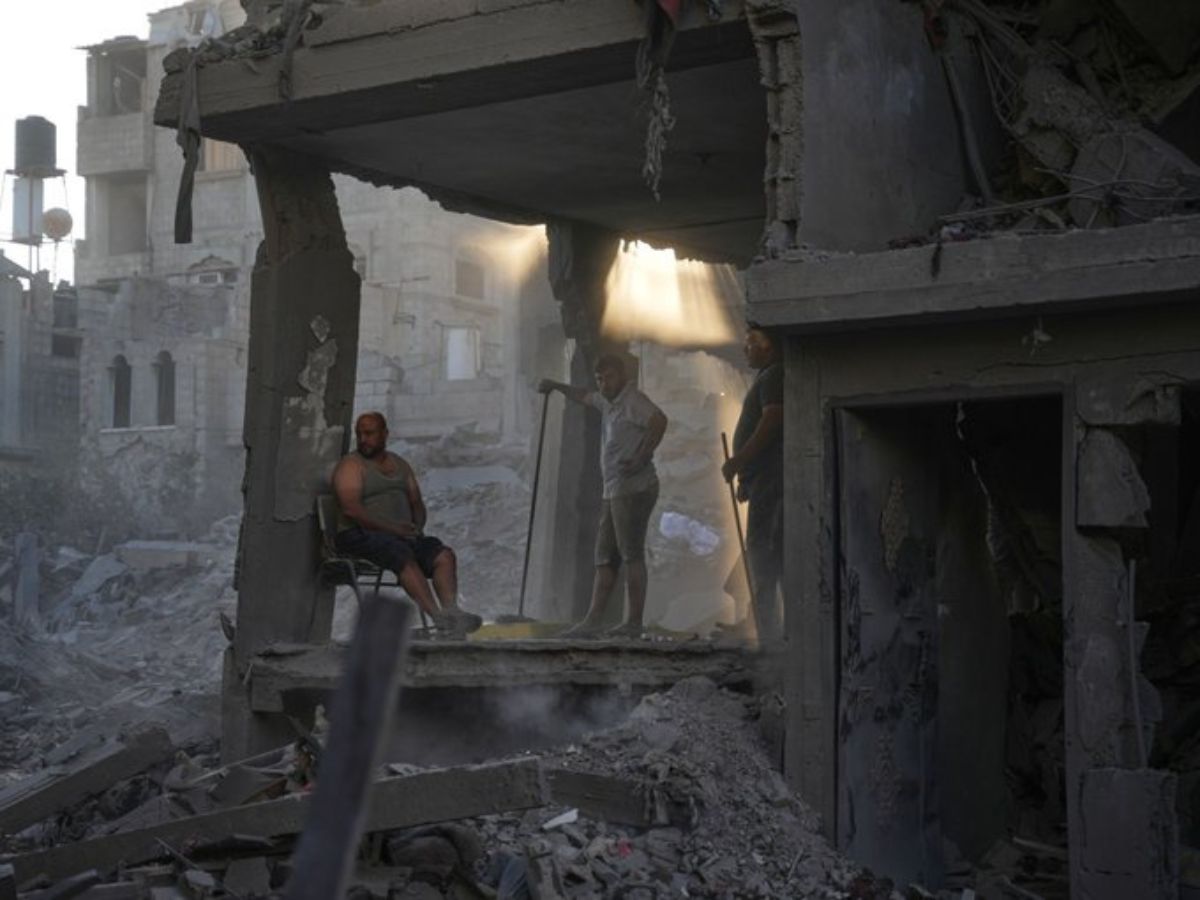
The operation marked a dramatic escalation in long-standing U.S.-Venezuela hostilities. Early on Saturday morning, at least seven explosions rocked Caracas, with reports of low-flying aircraft over the capital beginning around 07:22 GMT. By 10:00 GMT, U.S. forces had executed what President Donald Trump described as a "surprise precision operation," detaining Maduro and his wife. They were subsequently transferred to detention in New York. Trump stated that the U.S. would "run" Venezuela "for the time being" and take control of its vast oil reserves, according to reports from South China Morning Post (SCMP).
This followed a precursor event on December 31, 2025, when Trump announced a U.S. drone strike—reportedly involving a CIA-operated drone—on a Venezuelan facility linked to alleged drug trafficking. That HIGH-severity action set the stage for the CRITICAL-rated strikes on January 3.
Timeline of Events and U.S. Rationale
The strikes unfolded rapidly. Explosions in Caracas were the first public indicators, coinciding with observations of aircraft activity. The full-scale operation resulted in Maduro's capture, ending his 12-year rule amid Venezuela's protracted economic collapse, hyperinflation, and political isolation. The U.S. has long accused Maduro's regime of narco-trafficking, human rights abuses, and election fraud, with sanctions in place since 2017. Maduro, who succeeded Hugo Chávez in 2013, has faced U.S. non-recognition since 2019, when Washington backed opposition leader Juan Guaidó as interim president.
Trump's announcement tied the action to disrupting drug networks, building on prior U.S. claims that Venezuelan officials facilitated cocaine shipments to the U.S. The administration has not released detailed casualty figures or operational specifics beyond confirming the captures.
Domestic U.S. Backlash: Impeachment Calls from Democrats
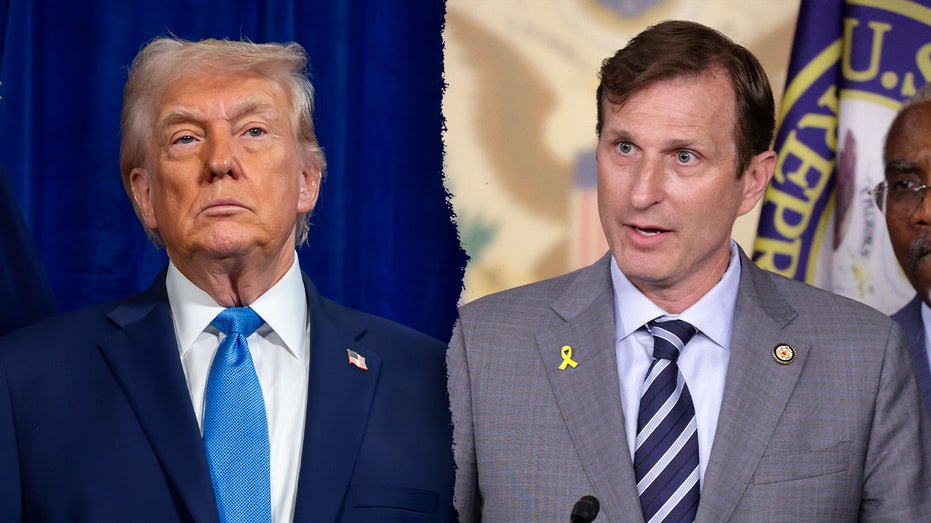
In Washington, Democrats swiftly condemned the strikes as unconstitutional. Fox News reported that party leaders labeled the operation an "impeachable offense," accusing Trump of bypassing Congress for military action without authorization. Critics argued it violated the War Powers Resolution, echoing debates over past interventions like those in Libya and Syria. Republican supporters, however, framed it as decisive leadership against a hostile regime.
The strikes have also fueled speculation about Trump's inner circle. Times of India noted buzz around Vice President JD Vance and Secretary of State Marco Rubio as potential 2028 presidential contenders, with some viewing their roles in the operation as an "audition." Trump praised both as doing "EQUAL" great jobs, though a resurfaced video showed him previously downplaying Vance as a successor.
International Reactions and Geopolitical Fallout
Global responses were sharply critical. Xinhua highlighted "worrying implications" from the U.S. strike, reflecting China's concerns over its ally Venezuela, a key buyer of Chinese goods and recipient of loans. SCMP quoted analysts warning that the attack amounts to a "death certificate" for the United Nations, potentially eroding multilateral norms and sparking a global arms race as nations question U.S. unilateralism.
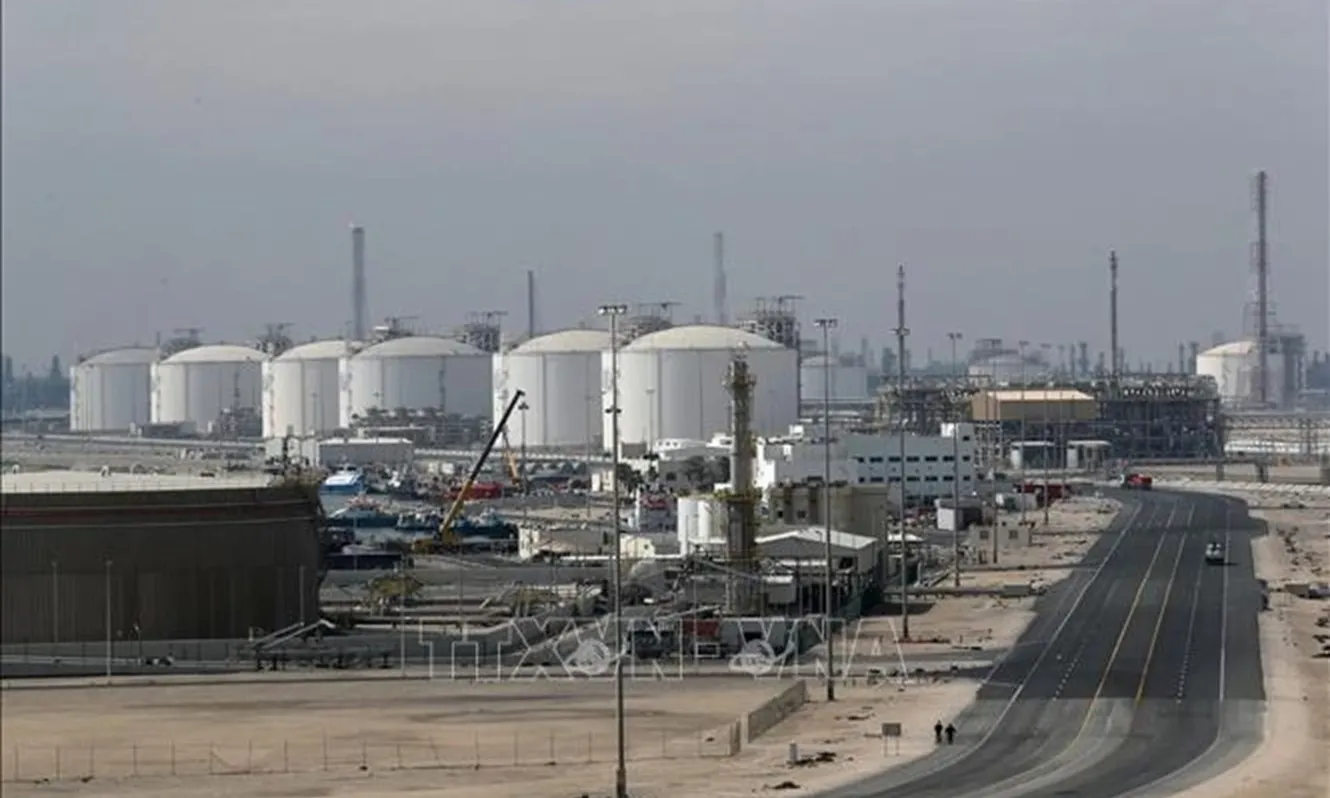
On the economic front, another SCMP analysis examined oil market dynamics. Venezuela holds the world's largest proven oil reserves, estimated at over 300 billion barrels, but production has plummeted from 3 million barrels per day in 2008 to under 800,000 amid sanctions and mismanagement. U.S. control could benefit American energy firms and lower global prices, positioning the U.S. as the biggest winner. Losers might include Russia and China, major creditors to Maduro's government, and OPEC+ stability. Immediate implications include potential supply boosts, though infrastructure decay poses challenges.
Latin American nations have not issued unified statements, but Brazil and Colombia—key neighbors—expressed alarm over refugee flows and border security. The U.N. Security Council has scheduled emergency consultations.
Background: Decades of U.S.-Venezuela Strain
U.S.-Venezuela relations have deteriorated since Chávez's socialist revolution nationalized oil in the early 2000s. Maduro's tenure saw mass emigration—over 7 million Venezuelans fled—and U.S. bounties on regime figures. Trump previously offered $15 million for Maduro's capture in 2020. Failed negotiations and 2024 election disputes, where opposition claimed victory, heightened tensions.
Outlook: Uncertainty in Caracas and Beyond
With Maduro in U.S. custody, Venezuela faces a power vacuum. Loyalist forces may resist, risking civil unrest. Oil seizure plans could invite legal challenges under international law, while impeachment threats test U.S. politics. Analysts predict short-term oil price dips but long-term volatility. As the world watches, the strikes underscore shifting power dynamics, with calls for diplomacy amid fears of broader instability.
(Word count: 712)