
U.S. Strikes Venezuela: A New Phase in Tensions as Maduro Captured
In a dramatic escalation of U.S.-Venezuela relations, President Donald Trump announced on January 3, 2026, that U.S. forces conducted a large-scale military operation in Venezuela, culminating in the capture of President Nicolás Maduro and his wife, Cilia Flores. The operation involved drone strikes targeting facilities linked to alleged drug trafficking in Venezuela, which the U.S. has long accused Maduro's regime of facilitating.
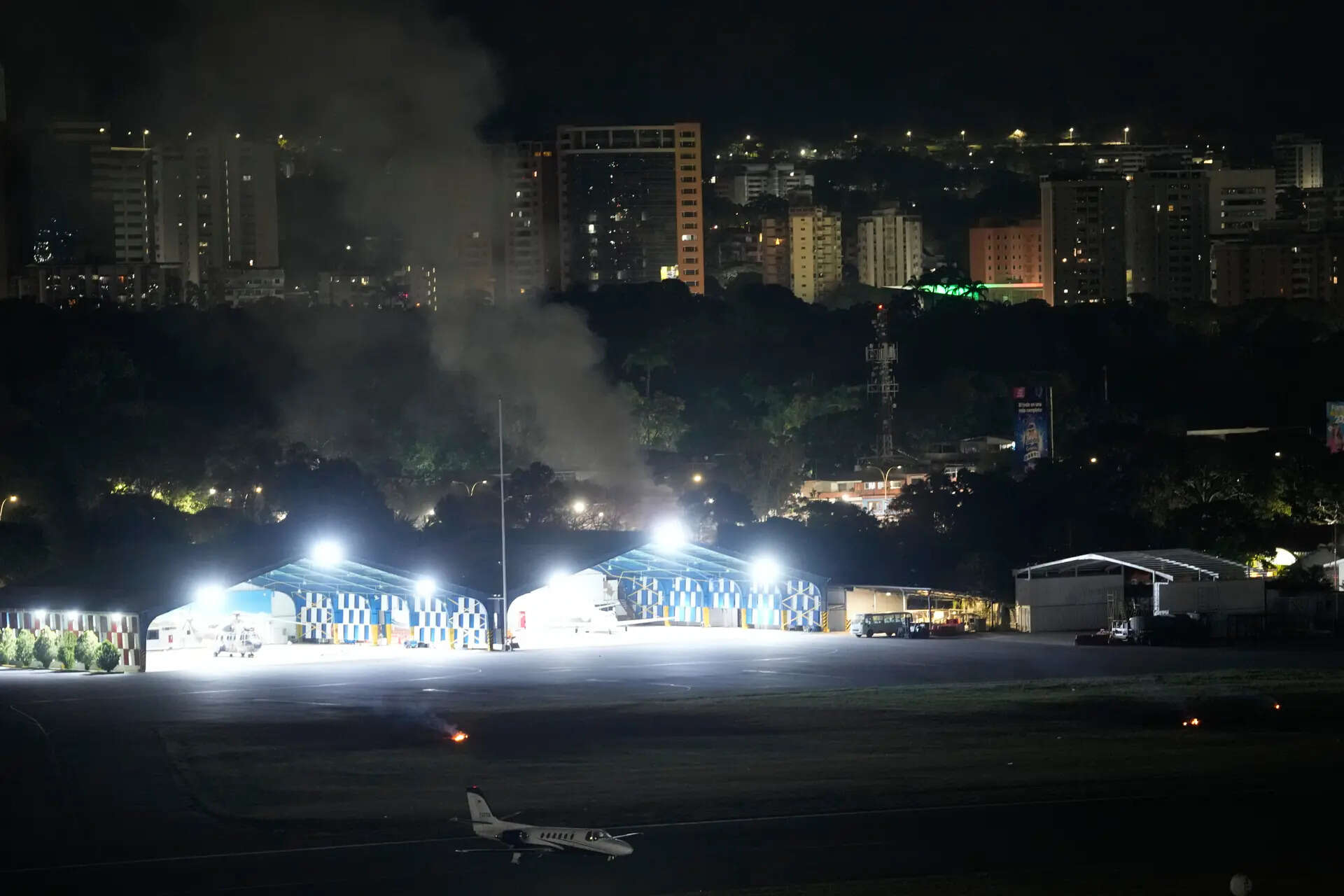
The military strikes began early on January 3, with multiple explosions reported in Caracas, where low-flying aircraft were observed in the skies. Witnesses described a chaotic scene as the operations unfolded, resulting in at least seven explosions across the capital. This unprecedented military action has triggered a state of emergency in Venezuela, drawing international condemnation and sparking fears of increased instability in the region.
Details of the Operation
President Trump confirmed the success of the operation via social media, stating, "The United States of America has successfully carried out a large scale strike against Venezuela and its leader, President Nicolás Maduro." The announcement was accompanied by claims that Maduro and his wife were captured and taken aboard a U.S. warship for their safety and to face charges of drug trafficking and terrorism on American soil.
This military intervention is the first of its kind since the U.S. began intensifying its efforts against Maduro's government, which has been under stringent sanctions for years due to its human rights abuses and involvement in drug trafficking. Trump's administration had previously offered a bounty for Maduro's capture, labeling his government as a "narcoterrorist" regime.
Reactions to the Strikes
The news of the strikes has elicited a range of reactions both in Venezuela and internationally. Maduro, prior to the strikes, addressed the nation via state television, denouncing the U.S. actions as an "attack against Venezuela's sovereignty." Following the strikes, opposition leaders, including María Corina Machado, have been mentioned as potential successors to Maduro, indicating a possible shift in governance.
India's Ministry of External Affairs issued a travel advisory for its citizens in Venezuela, urging them to avoid non-essential travel and exercise caution amid the escalating violence. Meanwhile, groups like Akel have condemned the U.S. interventions as "imperialist actions," reinforcing the view that the strikes could have far-reaching geopolitical implications.
Background Context
The U.S.-Venezuela relationship has been fraught with tension for years, particularly since the beginning of Maduro's presidency in 2013. The country has faced severe economic downturn, exacerbated by U.S. sanctions targeting its oil industry—one of the largest in the world. The recent military actions represent a significant shift in U.S. policy, moving from economic sanctions to direct military intervention.
Venezuela's economy has been in decline for years, with hyperinflation and shortages of basic goods leading to a humanitarian crisis. The recent strikes have raised concerns about the potential for civil unrest and further destabilization in a country already facing tremendous challenges.
Conclusion
The U.S. military strikes in Venezuela mark a pivotal moment in the ongoing conflict and could reshape the political landscape in the region. As the situation unfolds, the international community will be watching closely to see how this intervention will affect the balance of power in Venezuela and whether it will lead to a resolution of the long-standing crisis or further entrenchment of divisions. The future remains uncertain as both Venezuelans and the global community grapple with the implications of these dramatic developments.






