
US Strikes Over 80 Targets in Iran After Tanker Attacks in Strait of Hormuz
The Iran strikes carried out by the U.S. military on Tuesday hit more than 80 targets across Iran in response to Iranian attacks on three commercial vessels in the Strait of Hormuz, while the United States also revoked a license that allowed Iranian oil sales.
U.S. Launches Strikes on Iran
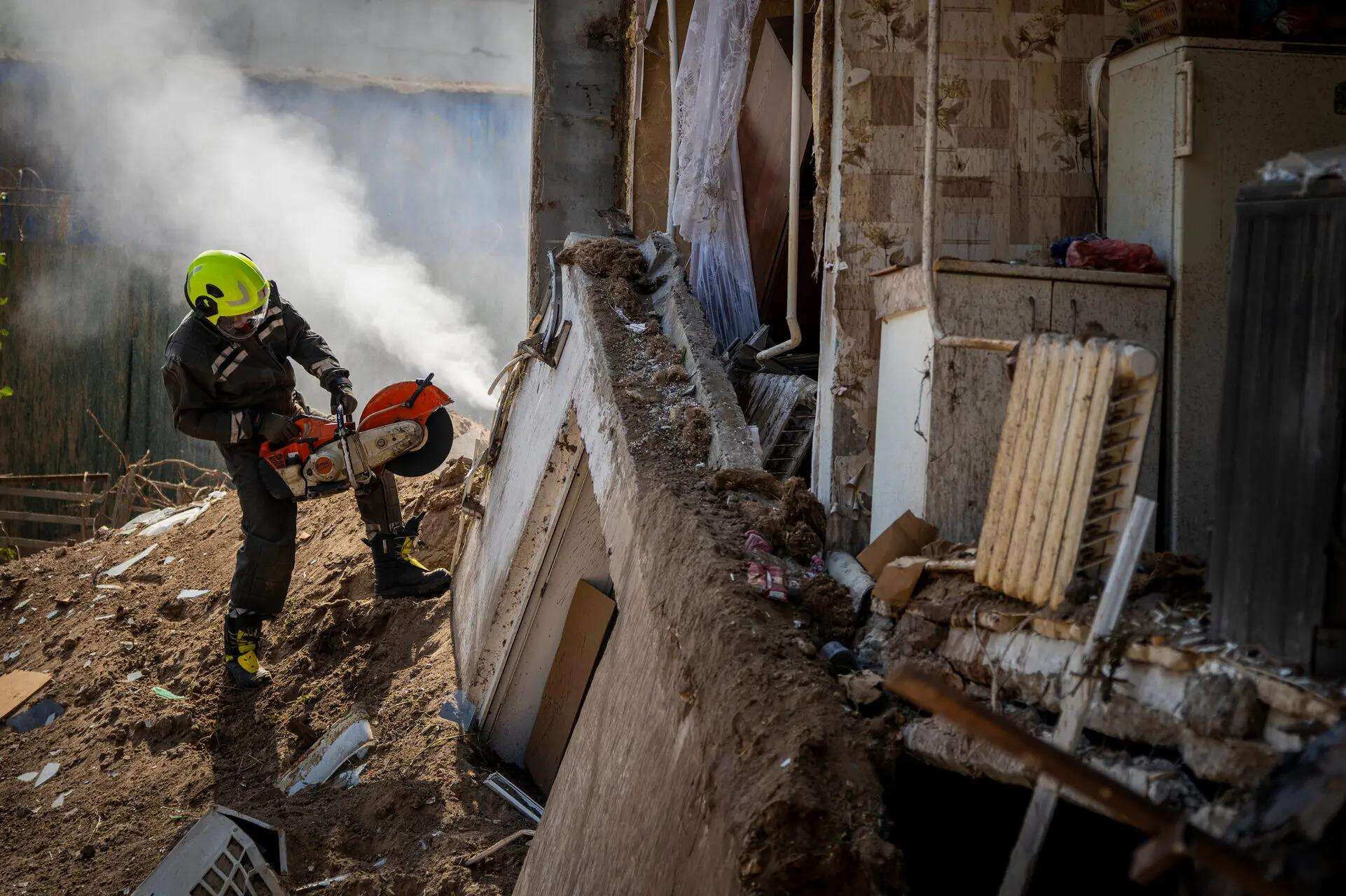
The U.S. military unleashed a new wave of strikes against Iran on Tuesday and the U.S. Central Command said that it had struck over 80 targets during its latest strikes on Iran. The U.S. Central Command said the strikes targeted Iranian air defence systems, command-and-control facilities, coastal radar installations, anti-ship missile sites and more than 60 fast attack boats operated by the Islamic Revolutionary Guard Corps. The operation was intended to reduce Iran’s ability to threaten international shipping and safeguard freedom of navigation through the Strait of Hormuz. A fire in Bandar Abbas, Iran blazed in the port area caused by an explosion from air strikes claimed by the United States. Iranian state media confirmed that strikes had taken place but did not immediately provide details on the locations hit, casualties or the extent of the damage. Iranian authorities had not independently confirmed the U.S. account of the operation. [2] [5]
Attacks on Commercial Tankers
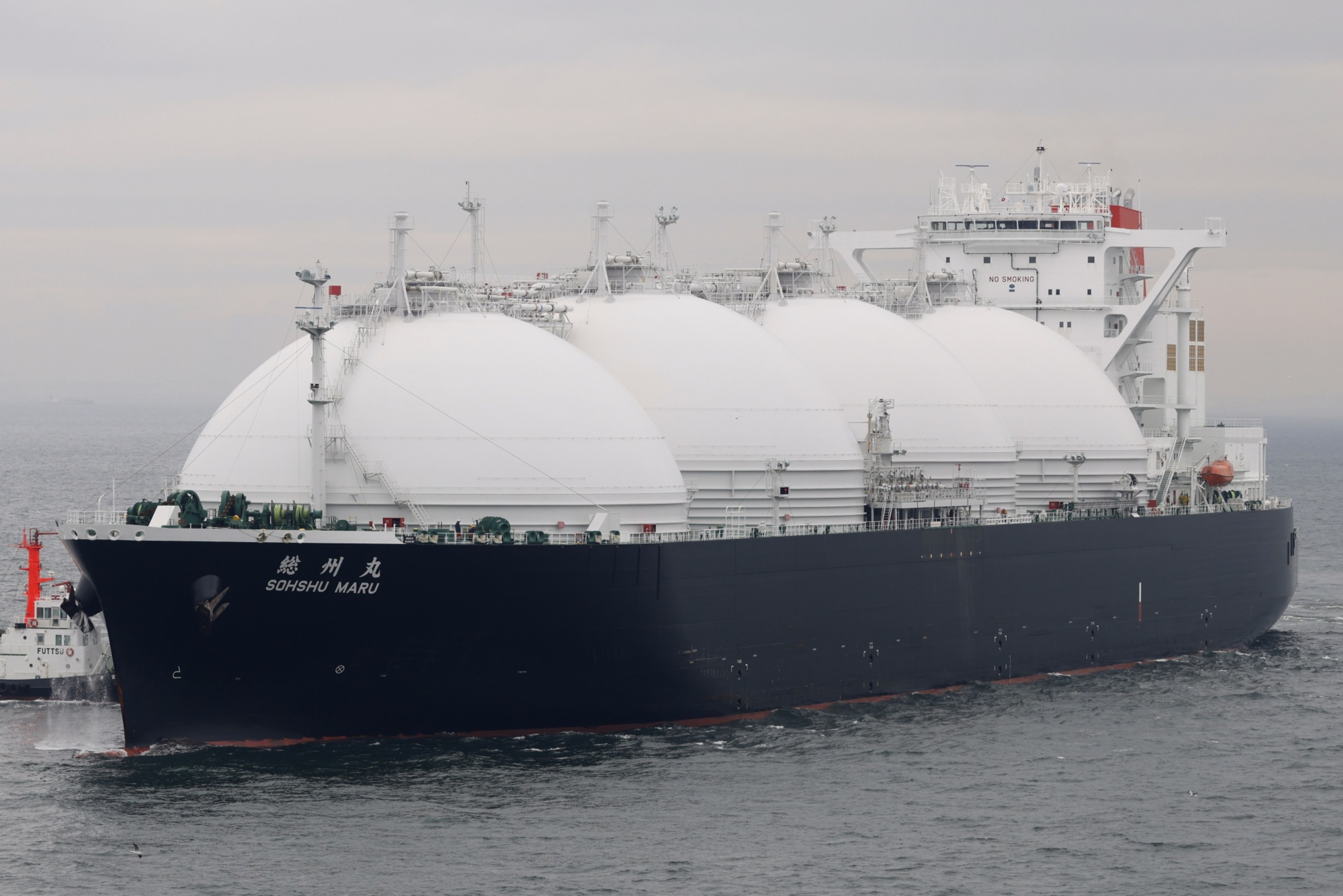
The attacks signalled that tensions remain even though Washington and Tehran agreed to reopen the crucial strait following a three-month war that sent energy prices soaring and limited oil supplies. The U.S. action followed reported attacks a day earlier on three commercial vessels transiting the Strait of Hormuz. U.S. officials accused Iran of targeting the Marshall Islands-flagged tanker Al Rekayyat, the Saudi-flagged tanker Wedyan and a third vessel. The Al Rekayyat tanker, loaded with liquefied natural gas, sent out distress signals seeking assistance after it was hit on its port side. Another source briefed on the matter said the vessel was at risk of exploding due to a fire in its engine room. The crew were safe and were being evacuated. The Saudi-flagged Wedyan supertanker was also damaged off Oman’s coast while transiting the strait. In another incident later on Tuesday, a tanker was struck by a drone while transiting the strait sustaining minor damage, but was able to sail to its next port of call. There was no claim of responsibility for the attacks. A U.S. official, speaking on condition of anonymity, said initial indications were that Iran had fired at two commercial vessels. [1] [5]
U.S. Revokes Iranian Oil License
Shortly after the latest attacks, the United States revoked a license that authorized the sale of Iranian oil, according to a U.S. official, warning that Iran’s actions in the strait were “wholly unacceptable” and would be met with consequences. The White House granted the license in June, easing decades-old sanctions as part of an agreement to reopen the strait. The U.S. Central Command described the reported attacks as an “unprovoked hostile act” and said they violated the temporary understanding between Washington and Tehran intended to prevent further escalation following recent hostilities. [1] [2]
International Reactions
NATO Secretary General Mark Rutte said the new attacks by the US on Iran were "absolutely necessary." “When you have a ceasefire and Iran is basically violating the ceasefire, I think it is totally crucial that the US forcefully react,” Rutte told reporters before a summit of NATO leaders in Ankara. When asked about the new US strikes on Iran, Dutch Prime Minister Rob Jetten said it is important to show Iran that breaches of the "fragile" ceasefire in the Middle East will not be accepted. “At the same time, you must apply maximum diplomatic pressure to make sure talks continue, and a solution is reached,” he said. Qatar’s foreign ministry said Tehran bore full legal responsibility for the attack on the LNG tanker. Saudi Arabia’s foreign ministry condemned the attacks, saying it holds Iran fully responsible for the attack on the Wedyan. Mohammad Bagher Ghalibaf accused the United States of repeatedly violating the bilateral understanding between the two countries, saying Washington had breached the agreement on multiple occasions. [1] [3] [5]
Impact on Shipping and Markets
While traffic through the strait has picked up in the last week, it remains spotty, ranging between one-third and one-fifth of its pre-war levels. The U.S. Navy-led Joint Maritime Information Center on Tuesday raised the threat level to transit the strait to ‘severe’ from ‘substantial’ following the attacks. About 14 vessels transited through the Strait of Hormuz on Tuesday, the lowest in nearly three weeks. Traffic through the strait has averaged 25 to 40 ships sailing daily in the last week, far lower than the daily average of 125 sailings before the conflict began. Oil prices rose more than 2% on Tuesday, with Brent crude rising to $74.29 a barrel. Average daily rates to load a ship inside the Gulf reached almost $300,000 a day, up from below $200,000 a day last week. [1] [5]
Context of Ongoing Talks
Iran and the United States are still in the midst of broader talks about Iran’s nuclear ambitions and its desire to control Hormuz; the United States wants to prevent Iran from acquiring a nuclear weapon. The two countries wrapped up a round of talks last week without a permanent agreement. The exchange marks the most significant escalation between Washington and Tehran since both sides announced a temporary ceasefire and resumed indirect diplomatic contacts. While negotiations have continued, disputes over sanctions, regional security and maritime navigation have repeatedly threatened to derail efforts to reach a broader agreement. The Strait of Hormuz carries about one-fifth of global oil shipments. [1] [4] [5]
What to watch next: Talks to reach a final deal won’t start if U.S. threats continue, Iran’s foreign minister said on Tuesday, while President Donald Trump said the United States would either reach a deal with Iran or “finish the job.”